Form rejection letters vs. personal critiques. As a writer myself, I’d opt for the personalized touch because I want to know how I can improve. I respect writers a great deal. Writers sit down and allow a piece of themselves to be exposed on paper. It’s a very intimate thing we do, and as an editor, I try to honor this by giving critiques where I feel comments are warranted. This can range from the savvy writer who shows potential to the writer who hasn’t researched how to put forth a cohesive synopsis.
With the advent of email comes the inevitable “hide behind the keyboard” mentality, and unfortunately, writers feel very comfortable firing back some extremely unprofessional comments. The usual fare has two main themes. The first (and #1 cause for rejection) are those who don’t take the submission process seriously and either fail include the pertinent information we ask for and/or a synopsis that makes absolutely no sense.
Just the other day I pointed out to a writer the purpose of a query letter and synopsis so he could improve his presentation. He wrote back to say that our guidelines felt like he was submitting taxes and bristled at the bullet points and the general unfairness of our requests. He didn’t like it, so he submitted what he felt like submitting and nothing more. Hello? Did anyone see me whip out my gun and put it to this writer’s head? If someone believes our submission guidelines are excessive and unnecessary, then perhaps they should refrain from submitting to us. The choice is fairly obvious. To complain about the way we do business gains a writer nothing other than to brand themselves as one who is more interested in changing what can’t be changed. Seems like a waste of both our time when the only goal here is to be published.
The second type of snarky emails I receive are those whose writing I’ve commented on because they show promise but have some fairly large problems – like blatant POV switches within a scene or developmental problems. I’ve been told all sorts of incredibly rude things and invited to do all sorts of interesting things – things that invariably included my dog or someone’s Army boots. Interesting thought, but my dog simply doesn’t go that way, and my son won’t give up his Army boots.
The themes are the same in these cases –I “didn’t get their work” or I don’t know what I’m talking about. It’s an interesting reaction from those who show a flair for writing because I expect better. Their tank-sized egos prevent them from seeing that I have no dog in their fight. I’m merely an experienced observer who likes their work but sees holes in their story. They’re free to listen to my observations or leave it. It doesn’t matter one whit to me.
This goes for those who tell me they’re “high strung because I’m devoted to my art.” Ah, bullshit. They’re cranky hackers. I work with real professionals all the time, and they are without a doubt the most delightful people to work with because they understand the business. They don’t need to puff up and strut about with their nostrils flaring because they’re the real deal. They accept constructive critiques because they understand their value.
To that end, the writer who acts like a professional will either thank me for my comments and move on, or they don’t write back at all. This is how it should be.
The best advice I can give to any writer is one of maintaining a professional appearance. Ask yourself how you want to be perceived. Do you want an editor to see that you’re an undisciplined newbie who is going to complain about the nature of things? Does anyone actually believe the rude person will be a desired addition to anyone’s publishing house?
The long and short of this is that writers often wonder why they get form letters, and this is why. It’s the unprofessional few who blow it for everyone else who welcome honest feedback.
I’m seriously considering bowing to what most of my colleagues do and issue form rejection letters. Who needs the aggravation? The submission process can bring out the bitterness in many. Just be sure that you’re not one of them.
 1 Comment |
 Permalink
 Posted by lynnpricewrites
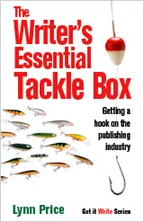 If you want the inside scoop on what floats our boats, The Writer's Essential Tackle Box is a must have. Out in November 2009.