Share this:
- Digg
- StumbleUpon
Like this:
Like
Be the first to like this.
 1 Comment |
  Uncategorized |
  Permalink
 Posted by lynnpricewrites
 Editors assume many roles in the course of their underpaid jobs – mother confessor, coach, cheerleader, lion tamer, and, yes, psychiatrist. I’m going into shrink mode, so bear with me because this warrants being said.
We all know being a writer can be mentally exhausting. You’ve spent a long time writing and perfecting your manuscript, researching publishers or agents, preparing your logline, pitch, bio, and synopsis all with the intent of one goal; publication. You’ve cast out the fishing line, hoping that you’ve represented your work clearly and invitingly enough to garner a nibble from one of us fish. Now you suddenly feel like a part of you is missing.
Welcome to après le query – after the query. This is the time where your hands are idle, and you begin to wonder, “am I good enough?” Maybe your previous works flamed out in a flurry of rejections, or this manuscript was such an intense experience that there is a palpable emptiness of not writing it anymore. Whatever the reason, you think you’re going nuts because you don’t feel like jumping into another project right away – which is what I do recommend while you play the waiting game.
My advice? Give yourself a break. Cleanse your palate. As a friend of mine, William D. Webb, Jr. likes to say, “Once you’ve finished breakfast do you immediately start thinking about lunch, or do wait until you digest it a bit?”
He’s right. I bet your “breakfast” was fabulous, so give yourself time to relive “cooking it,” “plating it,” and “eating it.” Savor every bite, take a lingering delight in the “ingredients” that combined together to make such a fabulous dish. Heck, with all that investment over the “meal,” it would be normal to feel a sense of loss. Do what William suggests and let the experience digest. Don’t push the process, but rather, let your feelings of readiness to move on come in their own time.
And don’t worry; you’re allowed to feel like meatloaf every now and then. Writing is a tough business and the ego isn’t surrounded by one of those really cool Star Trek shields. Set your phaser to stun, have a margarita, and begin writing a new book when you’re ready because you need something that will help you keep your eyes off the calendar.
Remember that queries take time, and it’s not unusual to wait four months to hear anything. Our desks are all crowded, so diving into a new work is the healthiest diversion I can think of. Resist the temptation to contact the editor after a couple weeks. It’s irksome to receive a phone call or email asking, “Didja get my query? Huh? Huh?” If three to four months have passed, then you are generally ok to contact the editor.
Okay, our therapy session is over. Get off the couch and go write a bestseller.
4 Comments | query | Permalink
Posted by lynnpricewrites
I have a literary fiction of approximately 120,000 words. Should you like the story and find it salable, but are leery due to length, I can reduce the page content, or this manuscript could easily be converted to two books of approximately 320 pages each with a few revisions if you were agreeable; or remain one book of approximately 540 pages. I understand that the publishing world would prefer books in the 300 or so page range for economical reasons. If absolutely necessary, for publication purposes, this manuscript could be pared to a book of approximately 350 pages. As the author, of course, I would prefer not, but it could be done and I am willing to do so…
It’s really very nice the author is so willing to do whatever it takes to get the job done. Editors love anyone who says, “What can I do to help?”
However.
There are certain elements I don’t want to be bothered me during a simple query, and word count is one of them. I DON’T WANT TO CHOOSE. That’s your job.Remember, you haven’t sold me yet, so offering to butcher up your manuscript strikes me as premature.
See, this author is hoping that his willingness to make changes will make me all happy-like and mitigate the fact that he knows darn good and well that his word count is too high. If he already knows this, then why try to sneak it in under the radar? He’s blown his chance with me. And probably with anyone else he queried.
I know many agents and editors who literally stop reading the minute they see the word count. High word counts equal higher production costs and higher retail costs. The marketplace, in general, doesn’t like big fat books, and this is why we’re such bovines about word count.
If your novel has a high word count – 100,000 on up or 50,000 and lower – then you have some decisions to make. In the case of the biggie, break it up into two novels, or get out a sharp scalpel. With the lower word count, consider developing the story further. But don’t send a query filled with caveats such as, “read this, but don’t worry about the word count, cos I can fix that.” Hello, if you can fix it, then do it before sending it out. Obviously this author knew better, and now, so do you!
6 Comments | query, word count | Permalink
Posted by lynnpricewrites
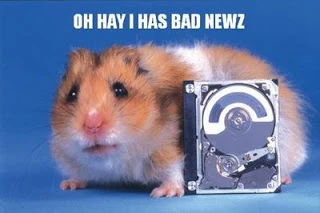 So I’m in the middle of writing a wonderful book, and something goes blooey with my computer. I didn’t notice it until the following morning when I booted up my computer and opened up Word. A window popped up that said something had happened in closing out the program, but we are oh so nice that we have two recovery files for you. Choose the one you want.
How I wish it had said, “Choose wisely, dumbsh*t.”
I chose the wrong file and ended up losing an entire day’s worth of writing. I blame the computer for putting me into these straits. Don’t they realize I know enough to be dangerous? To this day, our web designer has no idea how I managed to blow up our website for an entire day. I maintain all innocence. I was only putting up a review on one of our author’s sites. She, of little humor, has forbade me from touching anything.
Wise web designer. But I digress…
The problem with losing my writing is that I now have to create my literary wheel. I’m finding it as hard as saying no to a fresh box of Twinkies. Brilliance only strikes once with me. I belch it out, and then I’m done. Spent. Kaput.
I thought about drinking heavily, but it would only give me a hangover, and my corrupted file would still be sitting there. Mocking me. So I did what any writer would do. I cried like a baby and threatened to throw myself under a bus. I’m only halfway done with the rewrites. If I could just let go of the fact that I really loved the first go ‘round, I’d probably get done faster, but I’m still in mourning.
I decided I need to outwit myself so I got hooked up with Carbonite. It backs up all my files offsite. That means I can resume being a complete idiot and choose the wrong recovery file and still not lose anything. I can also nab my files from any computer.
I’m sure no other writer is this devoid of luck or common sense, but if you are, I swear this Carbonite is the best danged fifty bucks I’ve ever spent. Now if I could just do something about my secretary…
2 Comments | carbonite.com, shoot me now | Permalink
Posted by lynnpricewrites
Brian Clegg said a brilliant thing today in a post on Litopia when discussing a query.
Why is this book needed right now?
What makes it different from other books out there on the subject?
Who’s going to read it?
Why am I the right person to write it?
The “they” in his post are agents and editors. I told Brian that I loved him. And I do. See, our tinfoil hats are rarely zeroed in on the same frequency as the author, and this means we can’t divine these answers from a short paragraph pitching the joys of knitting toilet paper doilies.
Selling yourself and your manuscript is your job. It’s not ours to play 20 Questions in a game of email ping pong. And yet I’ve done this, and it drives me crazy. Every. Damn. Time. I grind my teeth while pounding out another Let’s Flesh Out the Author email, wondering why they’re making it so hard for me. They’ve whet my appetite enough to make me ask more – which really bugs me because instead of trying to find out all the pertinent details, I should be asking for pages.
Why not ask for pages up front? Because if that toilet paper knitter is a grease monkey who fixes rust buckets for the local used car sales lot, I realize he’s probably not the best person to have written this work. Why waste my time? On the other hand, if the author is the Grand Pooba of Knitters Anonymous and penned the now-famous 12-Step Program for Kitteh Sweaters, then she has my attention.
In short, I can’t take the chance the author isn’t the Grand Pooba, so I have to ask. Which wastes my time. I know, I know, who cares about wasting the time of an underpaid editor? But that same underpaid editor is the one who will say yay or nay to asking for pages. Those of you who take the step toward getting published are in the sales business, and a big part of sales is telling us why you’re the best person to have written your book, and why your book rocks.
By answering the questions Brian so eloquently penned, this information is often the difference between asking to see pages and sending out a form rejection letter. At the very least, it defines you as a pro.
2 Comments | query | Permalink
Posted by lynnpricewrites
Dear Ms. Price: Query, query, blah, blah, blah, bittity blah blah…
I like this, methinks. I want pages. Please send…
Dear Ms. Price: Here are my first 30 pages. Blah, blah, blah, bittity blah blah…
I like this, methinks. I want the full. Please send…
Oh. You want that full manuscript, like, now? Like right, totally, now? Um. It isn’t written.
(This is where the needle scratches across the record.) Waddyameanitsnotwritten? You queried me. You got me all excited like. Now you tell me you need time to write it? How long will that take? Wait a minute…I don’t care how long it takes. I’m an editor with the attention span of a gnat. I want it now.
And this is the crux of the problem. Fiction must be complete. Only in rare cases have I ever heard of an agent accepting and selling an incomplete first-time novel. Why this aberration? Well, it’s fiction, and we have no way of knowing how the story will unfold, how the characters will play off each other, whether the plot will hold up, or whether there is a satisfactory ending. Too many unknowns equals too much risk.
I can get it to you in four weeks.
There’s a problem with this. Do I believe a quality piece of work can be cranked out in four weeks? No. This doesn’t allow for rewrites or secondary editing. Smart writers write like the wind and then walk away from it for a while so they can return to it with fresh eyes. I’ve seen the results of the “four week wonders,” and I have rejected every single one of them. Their literary grapes are still too green.
But you loved my first three chapters, so you should be willing to wait however long it takes.
Look at it from my perspective. It takes time to actually write the manuscript. Then come the months of rewrites and heavy editing. It’s easy for six months to pass before the manuscript is submission ready. By that time, chances are fairly good that I’ve moved on and no longer interested.
This is a “you snooze, you lose” issue. I have a certain number open slots for each year’s publications – as do all publishers – and there are more submissions than I have slots. Sure, most of them will be rejected, but I’ve had months when it seemed the Submission Gods love me, and everything I receive is wonderful. If you aren’t an established writer with a big readership, I won’t wait.
Sure, you’re free to take your chances, but you’ve already irritated me by whetting my appetite with what feels like a bait and switch, so what do you think your chances are of redeeming yourself? I’m already cranky.
Do your writing career a huge favor and complete your fiction BEFORE you submit.
11 Comments | premature submissulation | Permalink
Posted by lynnpricewrites
Now there’s food for thought. Trust. Do I trust my wife? My husband? My kids? My dog (in my case, absolutely not)? My agent? My publisher? Hmm.
What is your litmus test for trust? Money? Reputation? Longevity? A track record?
I understand the seduction of seeing new publishers burst on the scene like gangbusters because it’s a new opportunity to get your work published. Their lights shine so brightly that the industry can’t help but be sucked in by these new kids on the block. Wow, everyone mutters, where have these folks been all our lives? They are our publishing saviors! Who are they? Who cares! They have it all – good looks, money, and, and, and… Oops. Stop there. They have money.
Money buys a lot in this industry, but does it buy a soul? A conscience? Character? A history?
I have the luxury of watching the new guys come and go while hearing all the gossip in between. Mostly my facts come from the authors themselves – good writers who got sucked into the razzle dazzle of some new flash-in-the-pan – and it always reminds me that if it sounds too good to be true, then it probably is.
The unnerving thing about these flash-in-the-panners is that they have the appearance of having done all the right things. They have money, so they can get the best distributors, take out ad space in all the trade publications, wine and dine the editors of those mags, and make a splashy entrance into the publishing world. Wow, sez you, if they have that many greenbacks to spread around, they must be serious. You bet they are. But serious about what? Is there a fall guy, and who is it?
To illustrate this point so I don’t sound as paranoid as I appear, I’ve seen a number of publishers create what I call “fronts.” They accept and publish a number of titles, but it’s only a front for their own books, who receive the lion’s share of the promotional dollars and attention – leaving the unwitting authors wondering why they aren’t getting the same attention.
They’ve caught the adoration of the industry, but reality sets in for the authors. Promises aren’t kept, correspondence is fleeting and sometimes rude, and the shine begins to tarnish. This is when the questions begin to arise. Who are these people? What is their agenda? Whom are they servicing? In short, the trust begins to waver. I’ll wager that you can live a lie for a while. You can’t live it forever because there are too many checks and balances in this industry that will eventually expose a flash-in-the-pan.
Trust has to be earned, and its foundations should be based on something other than money. I’ve known a number of very rich publishers who aren’t worth a bucket of warm spit. Trust doesn’t happen overnight. It’s easy to talk a good game, but how good is that talk down the line – years later when appearances are either exposed or verified? Trust is proof-of-the-pudding stuff.
Authors work too hard to hand their writing over to the first schmo who looks good on paper and talks a good game. The only way to truly trust someone is to give them time to either hang themselves or prove themselves. Ask around. And always sleep with one eye open.
10 Comments | education, risks, trust | Permalink
Posted by lynnpricewrites
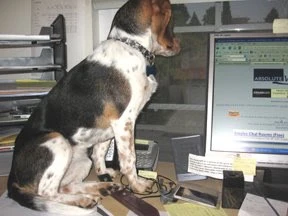 Okay, so the beagle is reading the Water Cooler. Normally it’s porn.
And she should be filing.
7 Comments | goofy, shoot me now | Permalink
Posted by lynnpricewrites
There were some good questions raised on my Editing Bungee Jumping post, so I thought I’d answer them here.
The Paragraffers said…
I have always wondered just how much of a book is the result of the editing. I have read books where I thought there could have been more editing.
It depends on the publisher and the author. Some publishers are real sticklers and others are more lax. There are some authors – the big kahunas – who refuse developmental edits. They bring in so much money for their publishers and have allowed their egos to color their judgment that they refuse to allow their work to be touched. Because of this, I no longer read their works because their lack of editing shows.
I just got finished reading one of my favorite authors and was appalled at the lack of copy editing. Brought a tear to my eye that anyone would be so cavalier with my favorite author’s work. Then the black heart in me surfaced – as is its wont – and I considered that few would actually notice these copy editing transgressions, which saddened me even more. Like, doesn’t anyone learn English in school anymore? I considered the probability that a twelve-year-old edited the work because no one with a brain would allow a steaming pile of comma placements and clumsy comma splices to populate a single book. Sadly, I have to say that I’m seeing more and more lousy copy editing from the big houses. This is stuff I would never allow to leave our offices.
The same can be said for sentence structure. Why would editors allow so many clunky sentences to pass under their red light when combining them would make for a smoother, intelligent read? Is it because the editors don’t know or don’t care? I know that many big houses are hiring indie editors because I hired one of them to proofread our stuff. She read one manuscript before I tossed her because she didn’t freaking know anything! My unreliable beagle could find more mistakes than she did, and that’s after a bellyful of margaritas. Then again, the big houses sales teams are about moving product, not necessarily quality – but that’s a whole ‘nother post.
As for the developmental side of editing, this goes into Subjective Land. What one editor may think is great, another may feel substantial rewrites are required. None of us read a story through the same filter.
Is this a matter of teamwork? Or does the editor dictate to the author?
It’s almost always a matter of teamwork. When I get to the point where we’re going to make an offer for publication, I lay out the concerns I have with the work. Maybe chapter 4’s voice and tone are different from the other chaps, so I would point out this needs to be fixed. Maybe I want the author to flesh out a character in more detail, or add a character. My goal is to point out the big ticket items beforehand so there aren’t as many surprises when the work goes to my editor. If the author and agent agree to these edits, we go ahead with the contract biz.
Once my editor has her paws on the work, she does a thorough read through and makes comments about what needs to be changed/rewritten and why. She and the author are in near-constant communication during this time, so the author is free to share their ideas about those edits. The author does all the rewrites.
Do I have the right to dictate the changes? Yep, I bought the rights to do so. So, legally, I can take a book and make it a shadow of its former self, and the author has no say. And in fact, there are a few horror stories about this very thing happening with the very large publishers. In truth, it’s rare, but it can happen. And that’s another reason why having an agent is so important.
But I have to weigh my inherent against pissing off the author to the point where they won’t help promote the book. It rarely ever gets that far.
DOT said…
What is a piñata? Sorry, sort of ruins the joke if you don’t know.
Aiyee! DOT, Google is your bestest buddy, dontcha know?
Trust is all. However in my associated task of commenting on others’ work as a CD of an ad agency, the others had the advantage of being able to assess me and whether I was worthy of trust both by my work and by our close working relationship. How does this work within a new editor/writer relationship? How is trust established? Editors, of course, can have an already established reputation, new writers not.
The key to this is research – knowing the industry. The trust issues for the author begins with the stature of the publisher. If they’re known for putting out a quality book with good distribution, awards, good reviews, then they must be doing something right. That should be a point in your Win column. Genial contract negotiations goes a long way toward building trust. It’s a sign that we’re not out to screw each other but to come to a mutually beneficial meeting of the minds regarding your work.
Having the same vision goes a looong way toward building trust – or it should. I’m amazed more authors don’t ask or consider this question when we express interest in their work. It’s vital that everyone is on the same page regarding the direction of a book. Is the author’s vision for a quiet cozy mystery in sharp contrast to the publisher’s vision of a mainstream blockbuster? You have to be on the same page with that end result. If you are, that instills trust that the editor isn’t going to try to morph your work. Vision is something I clarify before I ever offer a contract.
Trust issues on the part of the editor as to working with an unknown writer is much the same – research. Before I offer contract, I ask around and research the author as much as I can. I talk to their agent. I want to know who we’re working with. How they conduct themselves during the submission stage is also important to establishing trust. If they’re pushy and arrogant, I’ll pass on the project because hard experience has told me this behavior is a taste of things to come. Life’s too short. I don’t act like a buffoon, so why should I put up with someone who does?
Obviously talent goes a long way to establishing trust because we believe they’ll have an easier time with rewrites.
Lastly, trust can be like nailing Jello to the wall, and sometimes we have to rely on a healthy does of faith.
2 Comments | Dear Editor, education | Permalink
Posted by lynnpricewrites
So the joke goes like this:
Alice and Frank were Bungee jumping one day. Alice says to Frank, “You know we could make a lot of money running our own Bungee-jumping business in Mexico.”
Frank thinks this is a great idea, so they pool their money and buy everything they need: a tower, an elastic cord, insurance, etc. They travel to Mexico and begin to set up on the square.
As they are constructing the tower, a crowd begins to assemble. Slowly, more and more people gather to watch them at work. When they had finished, there was such a crowd, they thought it would be a good idea to give a demonstration, so Alice jumps. She bounces at the end of the cord, but when she comes back up, Frank notices that she has a few cuts and scratches.
Unfortunately, Frank isn’t able to catch her and she falls again, bounces, and comes back up again. This time, she is bruised and bleeding.
Again, Frank misses her. Alice falls again and bounces back up. This time, she comes back pretty messed up – she’s got a couple of broken bones and is almost unconscious.
Luckily, Frank finally catches her this time and says, “What happened? Was the cord too long?”
Barely able to speak, Alice gasps, “No, the Bungee cord was fine…it was the crowd!
What the HELL is a piñata?”
Editing can feel like a piñata as well. With each new whack, something is either ripped out or rewritten. It can try the best of patience’s – editors and writers. And when you strip away the process to its core elements, it comes down to trust. And that trust goes both ways:
The editing process is subjective, and what one editor may approve, another may want rewrites. It’s up to the author to decide whether they trust those changes. The author should have a general feel for the edits when they receive a contract offer – providing it’s fiction and a completed project. Something along the lines of, “I love this, but I feel your ending lacks closure. We’ll want to work on giving your main character full resolution rather than leaving his future so dubious.” If the author trusts this critique and is willing to make those changes, then the contract is signed, and they’re off to the races. But that isn’t to say surprised don’t crop up, and this is where communication – and trust – are everyone’s best allies.
There are those rare times when an author decides the work is perfect as written, and guess what? It’s not their call to pick and choose which edits they will make. In a perfect world, there is an open door that allows fruitful discussion and a sharing of ideas, but it’s not always reality. Understand it and realize editors are there to make your work the best it can be. They’re literally banking on it. Editors aren’t emotionally tied up in your work and can find the warts because they have an unbiased eye. Trust that.
Likewise, the editor has to trust the author is capable of doing a quality job of rewrites. If an author worked with an independent editor, who finessed the work into submittable condition, we have no way of knowing exactly how big a hand that indie editor played in the manuscript’s quality, so we have to trust the author is up to the challenge of strong rewrites. There are rare times when our expectations exceed the author’s abilities, and we’re faced with the dilemma of what our next step will be.
We realize it’s hard for authors to turn over their work to someone with a critical eye. But understand that your writing didn’t come directly from the hands of the Great Cosmic Muffin, and that you are fallible. You will be edited. It’s up to you to decide whether it’ll be a piñata or an exhilarating bungee jump. Don’t forget, we’re jumping with you.
3 Comments | editing, education, trust | Permalink
Posted by lynnpricewrites
You are currently browsing the Behler Blog blog archives for October, 2008.
 Behler Blog
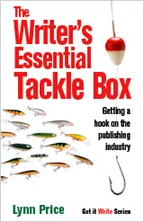 If you want the inside scoop on what floats our boats, The Writer's Essential Tackle Box is a must have. Out in November 2009.
"Hot Read" in OC Metro Magazine
Now available in Kindle
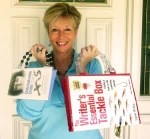
Look, Ma, I haz purses - click for larger view
Want to publicize your awesome new book? Do it with one of the beagle's cover art purses.
Click here for details.
Lynn Price: I am the editorial director for Behler Publications. This blog is about sharing information, advice, observations of various things that cross my desk, and getting a little silly sometimes.
Interview with Lynn Price
Quoting me?
Feel free to quote from my blog so long as you email me for permission, properly attribute me and post my link.
Email
I'm better off with email (lynn-at-behlerpublications.com) since my secretary, an unreliable beagle, normally ignores the phone - pleading the opposable thumbs issue. She's really only good at three things; mixing margaritas, copy editing, and sleeping on the job.
Click on cover for link

Stirring memoir byf Ann Meyers Drysdale's and her winning attitude of achievement and happiness
Amanda Adams' passionate and riveting story of what it means to be a Heart Mom for her son, Liam, whose 12 surgeries marked the first 8 years of his life.
Moving memoir about unconditional love and blunt honesty that defines a new normal for Heart Couple, Brian & Patty O'Mara-Croft.

By all rights, Father Joe Bradley should be dead. If past usage of beer, marijuana, and cocaine didn't do the trick, then certainly dilated cardiomyopathy should have.
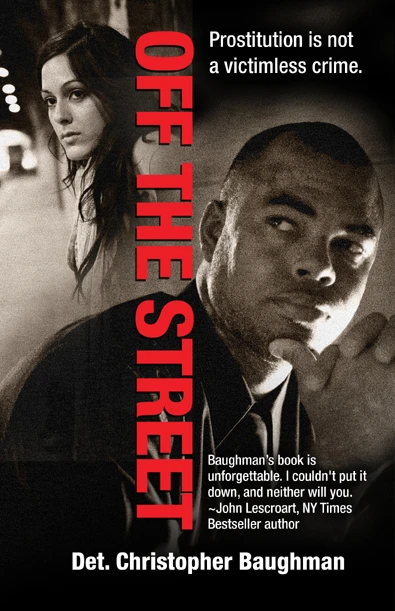
by Det. Chris Baughman
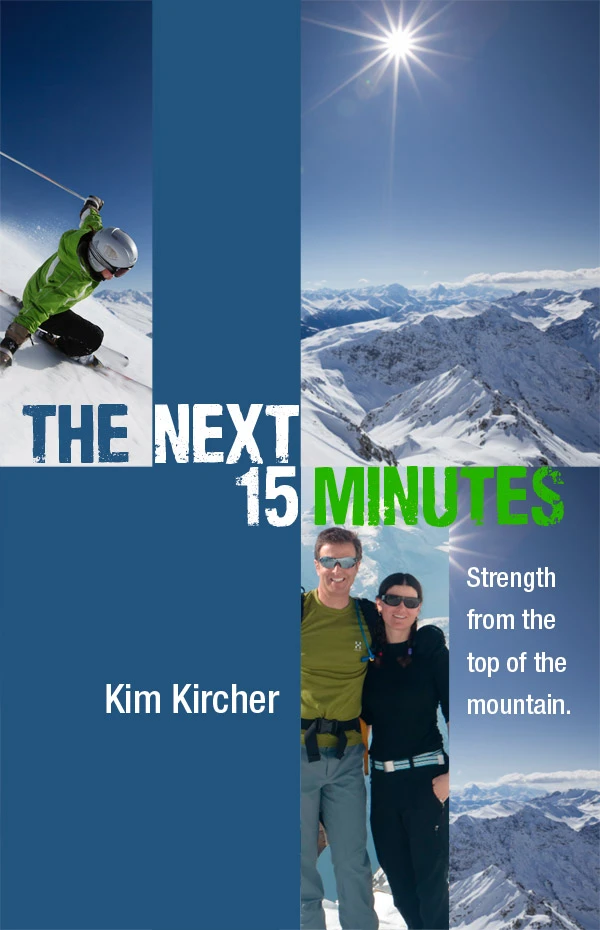
by Kim Kircher
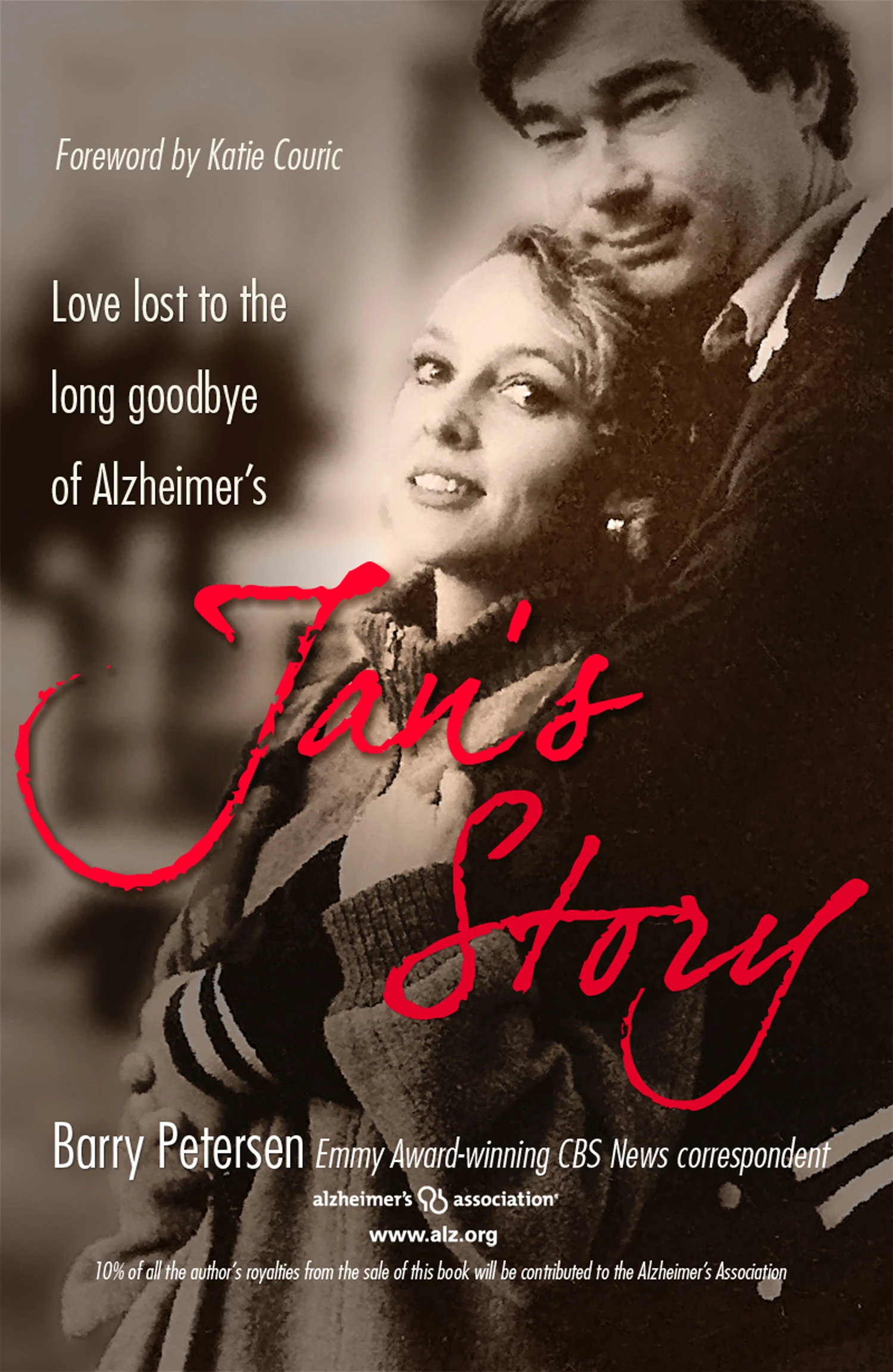
The story of life, love, loss and renewal.
~ Brian Williams, Anchor and Managing Editor, NBC Nightly News
"Hot Read" in OC Metro Magazine
* Honorable Mention: Royal Palm Literary Awards
Foreword by Judge Alex
* Winner: Royal Palm Literary Awards
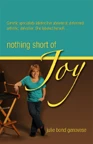
"Nothing Short of Joy is a masterpiece that will take you out of your comfort zone and into a magical world of joy. I love this book. I love this woman. Read it and reap.”
--Wayne Dyer
Behler Blog