Poaching – got a permit for that?

April 29, 2010

There’s an interesting blog post over at Writer Beware where Victoria – apparently now Queen Victoria [I shall bow to you every morning, Vic] discusses agent/author poaching.

The point is whether agents competing over an author who is already represented is a good thing or just plain smarmy. As always, Vic presents both sides of this coin succinctly. If an author is already represented, then why would she jump ship? Well, perhaps BigShot Agent came along and whispered sweet nothings in her ear. “Darling, I can get you that Hachette contract AND a million dollar advance.” The author’s head could be turned.

Smarmy factor

On the face of it, one could say that trying to poach an already-repped author is smarmy. With all the authors roaming the literary tundra, why do they feel the need to poach? The only thing that comes to mind is that the author is one hell of a writer, or very famous.

Let’s take the case of Jane Author, who is repped by Agent Wow, who sold her to HooHa Publishers in a three-book deal for a cool mill. Suddenly Jane gone from unknown to being an industry sweet spot. And just like the non-profits who circle the latest lottery winner in hopes of relieving them of some of their winnings, a BigStuff agent circles around the new literary darling with the intent of relieving Jane of her agent. After all, where there’s one big sale, surely there are more to follow.

Face it, everyone wants to rep a winner, and if BigStuff Agent feels he can do better for Jane than her current agent, then why not give it a try?

Competition

Thing is, is poaching right? Eh, it happens. Not often, but it does happen. I’m a fan of competition. Not long ago I told an author that if she chose not to sign with the publisher who had offered her a contract, that I would love to sign her. All’s fair in love and publishing. There were no signed contracts, so she was still fair game as far as I was concerned. And Pricey won that day. Yes, I’ve been on the losing end as well. It. Happens.

My feeling is you either you gots what it takes, or you go home. But I can say that because I’m an editor, and we’re bound by these pesky contracts that are very hard to break. Agents don’t have that luxury. So if I were Jane’s current agent and feeling the pinch of competing agent, I’d be beyond pissed. After all, I spent months working this three book deal and getting her a million dollar advance, and this is the thanks I get? Tossed out to the gutter by a bigger named agent? Ungrateful wench!

But in the long run, what am I going to do? Jane can break her contract with me at any time. Sure, I’ll still get the percentages off her three book deal, but I lose her future books. If she truly believes BigStuff Agent is the answer to her dreams, then I have to consider what that says about her. I got her a great deal, and she jumps ship? Hmm.

Fraught with danger

And this is where I think Victoria brought up a very good point; if Jane Author can jump ship once, she can do it again. How reliable is she? Vic used the cheating spouse example, and I agree. If she’s cheated on one agent, what makes the poaching agent think he won’t be her next victim?

And let’s not forget that Jane is used to working with her former agent. They probably got on quite well. Suddenly what seemed like a good idea in the blush of excitement of being fought over now seems tarnished in the glare of the morning sun. Sure as there are margarita-mixing beagles, Jane is going to start making mental comparisons between her old and new agent. “Gee, Agent Wow never did things that way.”

The other side of the coin – can Agent BigStuff deliver?

So let’s say Jane leaves Agent Wow and goes with Agent BigStuff. Right out of the gate Jane has a much higher expectation of BigStuff’s ability to grab that golden ring. After all, she left a good agent who got her a very sweet deal. This puts added pressure on both Jane and BigStuff, which can either bring about a higher level of marketability for Jane or a quick erosion of their relationship.

How much time is Jane going to give BigStuff to make a whopping deal? Is Jane going to expect BigStuff to be at her beck and call because, hey, she’s royalty, dammit!

Of course, it could easily work out that this is a new match made in heaven and Jane’s star could reach epic heights. But it’s a gamble, just like everything else in publishing. Sometimes the grass really is greener on the other side. And sometimes it’s dirt clods.

Authors should tread carefully, which was Victoria’s point.


Memoirs: What’s your hook?

April 28, 2010

Remember that show called What’s My Line? Ok, I’m dating myself as part of the Early Dawn of Man, but I loved that show because they always had great guests whose odd occupations made it easy to stump the stars [also because half of them were buzzed].

Well, writing a memoir is much the same thing. What’s your line? Or really, what’s your hook?

Many memoirs that cross my desk aren’t marketable because they lack a hook. The #1 reason for that is because the author is too close to his own story. Most of us lead interesting lives [well, except me, of course, where I live out my existence chained to a desk with a boozy beagle who refuses to file or answer phones] and think our lives or experiences would make a great book. As a result, I see a lot of the:

  • “I grew up on a farm and milked a cranky cow”
  • “I survived cancer by eating pecan pies”
  • “I went to Tibet to study Buddhism”

These are  “so what?” stories. They aren’t interesting because they lack a hook. While they may be mildly entertaining to the author’s family and friends, agents and editors are looking for something that knocks us out of our chairs.

How do I know if I have a hook?

Funnily enough, most authors don’t stop to ask themselves this question when it comes to a memoir. They just sit down to write about their lives with no particular direction.

And that’s the key: Direction. Where are you going with your story? What’s your point? Is this a story with no road map? If so, how are you going to know when you’ve reached your destination? And if you do, will anyone care?

There has to be a purpose, a direction to your story. That is your hook. Let’s look back at the “I went to  study Buddhism in Tibet” example. So what, right? An agent or editor may think it’s another story of seeking spiritual or religious enlightenment. But what if the author says, “Going to Tibet to study Buddhism was less about spiritual awakening than it was in my relentless pursuit to get laid.”

Wha’? Ok, that makes me sit up and take notice because the two ideas are so contrary. That’s a hook. Now whether that hook is marketable is another issue, but at least it got my attention.

Categorize me!

There isn’t a “Mindless Wandering” category in the bookstores or any place in publishing, so what do our sales teams say when pitching to a genre buyer? The first thing they need to do is give a category. Look at your memoir; does it have a category?

  • Inspirational?
  • Educational?
  • True crime?
  • Travel essay?
  • Humor – a la Erma Bombeck?
  • Family issues?

Yes, yes, authors HATE to be categorized, but really – get over it. First thing anyone asks is, “what’s your book about?” It’s a lot easier to explain if you’ve pigeonholed yourself because now we have a frame of reference.

Have a Message

Memoirs of famous people have their own hook by the merits of their fabulosity [yes, I know it's not a word]. But most of us walk with both feet on terra firma and breathe the same air, so I look for a memoir that says something, has a message. This is meat I can sink my teeth into.

Look at the list above and decide where you fit. Then ask yourself whether you have a message. You can have a travel essay, but what is the message? If your story is about buying a house in Rangoon and discovering it’s infested with pygmy mice, then what is the message about your travel essay?

Readers are looking for a story that makes us think long after they’ve finished the book, makes us care, so you want to consider whether your story makes an impact. And the way to do that is to have a message. I love a good memoir that forces me to look inward, to look at my own life with a different perspective.

Example

For instance, my dear mother married my dear father and discovered too late that he had this crazy side that said things like, “Hey, darlin’, Parsons Corp. has a jobsite starting up in Baatman, Turkey. Let’s go!” Now this is in 1953-ish, so there’s no town, no hospital, no school, no nuthin’.  But Mom, good soldier that she is, sez, “sure, sweetie.” Mind you, they have three small kids [I'm not quite a glimmer in anyone's eyes yet].

Now what kind of brain slippage does it take to say yes to this adventure? But they went and had an incredible experience. They tell stories that make my sides split – like my brother drinking Mom’s perfume – her last vestige of civilization – and he didn’t have the good grace to even barf it up. Or the time Mom, who was forever fishing my sibling’s toys out of the toilet and sink, reached into the toilet to retrieve a dropped frog, only to discover it was real. I’m sure she left a dent in the ceiling.

Then there are the poignant stories about how my father gave money to a village so they could grow crops  and survive. For hundreds of miles, villages knew of my dad, and would always make sure they were safe and always protected. When my sister got scarlet fever, people traveled for miles to make sure “the American girl” was ok. Still chokes me up.

All told, Mom is an incredibly good sport, and I love her adventurous spirit and love for my dad that she’d say yes to something that would have most people grabbing for a Xanax. Her experiences of Alice stepping through the Reality Glass with three young kids are great fodder for a memoir because there are so many elements that create the hook, the category, and the message.

Hook: “Stick with me, kid, I’ll show you the world!”
Category: Travel essay
Message: True happiness is how you handle life when it spills its guts in your lap.

Take another look at your memoir and ask yourself three basic questions:

What’s my hook?
What’s my category?
What’s my message?

As for Mom, I think she’s certifiable, but I do adore her more than anything.


Editing: what will I look like when you’re done with me?

April 26, 2010

One of my darling new authors emailed me this:

I hope I recognize my writing when you’re done editing!

At first I thought he was kidding, but then I got to thinking that he may have been quasi-serious. I can understand the fear. Here you’ve put your heart and soul into your book only to release it from your clutches and hand it over to a perfect stranger [at least I like to delude myself into believing I'm perfect, but the beagle tells me otherwise].

The imagination takes hold:

  • What are they going to do to my work while it’s in their clutches?
  • Will my story look anything close to the way I wrote it?
  • Do I have any say in the editing process?
  • What if I hate what she’s done?
  • Oh GOD! Why didn’t I become a painter like my mother suggested?

Now you’ve lost sleep, lost weight, and your cat begins to avoid you because you’ve begun to ignore your personal hygiene. R-E-L-A-X and remember one thing:

Editors buy stories because we love them. This means we love your voice. Your voice is what makes the story come alive, so it’s the last thing we want to destroy.

Ah, but what about your content?

Switchy changey

I have an author whose agent took a meeting with a Big Gun. Oh, they lurved, lurved, lurved the book. Only could they please take “some stuff out” and put in “other stuff”? The agent was mortified. Hell no, you can’t! The “stuff” you want to remove is the friggin’ meat of the story! End of meeting to the absolute miffery of the agent [to those who love to edit me, I do realize "miffery" isn't a word. No need to comment, ok?].

Yes, the manuscript needed work. Lots of it. But in no way did that book become “my child,” because that isn’t what I, or my cohorts do. They don’t rewrite. They suggest, they recommend, they insert possible examples [with the author's ability to reject the insertion].

Did you read that? They do not rewrite. That is the author’s job.

Furthermore, editors do not switchy changey the manuscript and turn it into something else without your permission.So even though the Big Gun publisher wanted to seriously mess with the story’s foundation, they most certainly weren’t going to do it without discussing it first.

So bless my author’s buttons for being nervous about the editing process, but he’s biting his nails to the quick for nothing. Yes, he’ll see a lot of red things – where I fixed a passive sentence into an active sentence, or removed a dialog tag. Or maybe I put one in. What I’ve done is akin to cleaning up the kitchen. But I do not dare presume to cook the meal [something my family heartily approves, the ingrates].

Where I feel something needs further development, I insert a comment and say something like “expand this idea so the reader understands this paragraph.” Or maybe there’s a POV switch and I insert a comment bubble telling the author  to rewrite the section in the proper POV.  See? I’m not cooking the meal, so it’s impossible [and incredibly stupid] to interfere with the author’s voice.

Trust

And this is why authors really have little to fear from the editing process. Sure, there may be a lot of rewrites, but so what? Presumably…ok, hopefully, you trust your editor enough to know what they’re doing and that their decisions are going to yield a much more marketable book.

I appreciate how difficult that is because you don’t really know your editor. But, hopefully, you’ve read some of the publisher’s books and can see the quality of their work.

I had an author who was scared out of her wits to be edited. Then she waltzed into a book store and bought one of our books – wise soul that she is, she chose my novel, Donovan’s Paradigm. She emailed me saying that after reading my book she felt a “whole lot better” about my fingies dabbling about the verbs and nouns of her manuscript. Awww…

Trust is vital in the production process, and we realize it doesn’t come easily. But, really, the story you handed your editor will still be the same story that comes out of editing. Or better. But not without your knowledge or approval.


LA Times Festival of Books

April 24, 2010

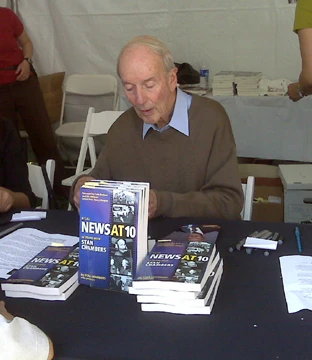
Stan doing what he does best…touching lives.

So it’s that time of year again where we head up the Stan Chambers Delivery Unit, whereby we leave our batcave [braving sunshine and fresh air] to drive to Los Angeles – aka God’s Left Armpit – so we could pick up Stan and get him over to the LA Times Festival of Books to sign books and make nice with the crowds who never fail to materialize whenever he shows up. While he patiently wrote his John Handcock and posed with the throngs who wanted their picture taken with him, Mr. Moneypants and I cruised the festival.

Well, ok, that’s not exactly true. We ate lunch and met up with the ever-talented, effervescent Lauren Roberts, the queen and brains behind BiblioBuffet. But afterward, we fought our way through crowds all focused on one thing – BOOKS. Every year we go, I always have the same thought – for those who think the written word is gasping on its last legs is smoking some tabaccy laced with crack.

The place was packed. Jammed. Booths were five people deep, waiting in line just to enter some booths so they could see the latest and greatest. I saw so many people holding books to their chests as if they were precious cargo that it made this cranky editor’s evil lip quiver mightily.

And the kids! Oh how bloody marvelous to see the love of books being passed on to the wee bairns, as they jumped up and down screaming, “Can I have them both, Mommy?” Oh, happy sigh.

We’re off to do the same thing tomorrow as well since we’re still the Stan Chambers Delivery Unit. Good thing Mr. Moneypants doesn’t mind driving all the way from S. Orange County up to God’s Left Armpit. If the driving duties were left to me, I’d be in Kentucky, swearing up a blue streak.

The beagle was rather put out we didn’t take her, but I told her she was still on time out for shredding new author Chris Baughman’s manuscript.

*hah, JK, Chris.


Book publicists – why yes, I speak Sell

April 23, 2010

The Book Publicity Blog has a good post about why authors shouldn’t contact journalists directly. The main reason is that publicists have spent years grooming relationships with members of the media and are fluent in Sell. They speak the language of those who are always on the hunt for a good story. That means they know how to pitch your book to a producer in a mouth-watering fifteen nanosecond soundbite that will leave said producer leaping through the hallways like a frog on crack.

That fluency transfers beyond the media. It opens doors to all kinds of venues that you, Jane and Joe Author may have never thought about. There are many times when I pitch a book to a publicist and give them my promo ideas. I’ve discovered that my ideas are a mere launching point as I listen to them shoot idea after idea out like a machine gun. Often I feel like Jan Brady – “Gee, I never thought of it that way…” as I lean my head to one side with a deer-in-the-headlights expression.

In reality, I shouldn’t feel so silly because thinking up possibilities is what they do for a living. After all, they don’t try to tell me how to edit a book…

Do I need a publicist?

Good question. Only you can answer that. What are your goals? Most small publishers don’t have a publicity department. The large guys do, but they are also handling dozens of other authors so it’s not like you’re going to have your hand held and your entire promotion handled through them. Even many of the Big Authors have their own publicists. If you want individualized attention, then this may be a good option for you.

What kind of book did you write?

Novel – If you write fiction like fantasy or romance, it’s probable that a publicist will be able to do little in terms of publicity. This goes for most fiction. It’s hard to flabber media’s gast over a novel because, well, it’s made up. A publicist doesn’t have a lot to work with when dealing with someone’s made-up world.

The places where a publicist can be of help is if your book has an “issue” they can pull out and showcase with the media. For example, let’s say the plot for your medical fiction surrounds a strong character who mixes integrative healing methods with mainstream medicine. A publicist can concentrate on that element and make an “issue” of it by asking, “Does integrative medicine have a place beside mainstream medicine? Can it drive down medical costs?” Face it, our healthcare is a huge, hot issue right now. If you have a platform, meaning you’re in the medical field or have a ton of research under your belt, your publicist will brand you as an expert.

Nonfiction: Most publicists have narrowed their field and concentrate on nonfiction because these are “issue” books of one sort or another. They’re easier to promote because the author invariably has a platform in which to showcase their book’s subject matter.

Intent

The first question in deciding whether you need a publicist is to consider your intent. Do you want to achieve the maximum amount of exposure of you and your book, or are you happy just getting your book on the store shelves? Keep in mind that a publisher can get a book on the shelf, but without promotion, few will know of its existence and it could come right on back to the publisher via returns.

You might have an excellent book that has all kinds of huge potential, so do you want tepid sales, or do you want to make a difference?

The Publisher’s Publicist

“Yabut, Pricey, I’ d rather let my publisher’s publicist take care of me.”

I can sympathize with this thinking because, hey, it’s free. But again, you need to think about the intent you have for your book and decide whether the publisher’s efforts are enough.

Most publishers in the US don’t have the budget for a full-scale promotion assault that will get you on TV or in the newspapers and magazines unless you’re one of their top of the list authors. The big guys employ publicists who do a great job at setting up a few author events. But keep in mind they are dealing with all the other new releases as well, so you aren’t going to get their full-time attention.

Additionally, the publicity department isn’t consistent. I’ve talked to authors who received no help whatsoever from their publisher’s publicity dept. and were left to their own devices. I’ve also talked with others who got quite a bit of attention with author events.

Smaller publishers don’t employ in-house publicists and definitely don’t have the budget or industry pull to get authors the kind of media attention their books may demand. They can definitely get the books shelved and nationally distributed. They can get the books reviewed, send ARCs out to media, all to create demand for the book. But they can’t pay for book tours, launch parties, contact TV producers, magazine editors, newspaper journalists for the same reasons the big guys don’t  – time. The smaller publishers have lots of authors they’re publishing as well, and they don’t have as many people on staff [or the budget] to give that kind of individualized attention.

Budget

And speaking of budget, yes, ’tis true; these guys aren’t free. They are all over the board in terms of price. Most use their advance toward a publicist. That’s why it’s so important to analyze your intentions for your book. Do NOT go into the poor house over a publicist. While it may cost four grand for a publicist, if you don’t have it, don’t spend it because, as with everything in publishing, there are no guarantees the efforts will yield large enough sales to pay for the publicist.

What do you want them to do?

I’ve often wished for a fairy godmother who swooped down and made my life a place where angels sing the minute I open my eyes, and flowers sprout at my every step. Birds make my bed, and cute little squirrels pick out my daily wear. My hair always looks perfect, my makeup is applied by the most talented artisans, and Antonio Banderas is my personal secretary. My reality is that I awaken to the beagle snoring in my face and spends her days sleeping on three contracts she has yet to file.

Publicists can be a lot like my fairy godmother, provided you know exactly what you want them to do. Do you need someone to organize your national book tour? Are you looking for someone who has the pants to get media events like TV, radio, or newspapers/magazines? Or are you looking for someone who can get you great book reviews?

Yah, yah, I know – you’re looking for someone who can wear all those shoes, and this is where fantasy and reality often collide. The truth is,  you may need two publicists. This is for BIG books and BIG platforms and BIG money.

Book reviews: there are publicists who specialize in getting fabo book reviews by all the trade magazines. It’s usually because they’ve been in the biz for years and everyone knows them.

Social Networking: there is a new brand of publicist who works the online social networking thing by blogging, twittering, and whatever else may come along. This is a personal opinion of mine, but I’m not a fan of this option. It’s a popular choice because they tend to charge less than a publicist who has media contacts.

However, I’ve worked with internet publicists and was vastly underwhelmed. They hit up the online review sites and did the blog book tours – all which yielded a big, fat zero in sales. Face it, the internet is a vast, vacuous entity where bajillions of voices are struggling to be heard. It takes a long time to create an online presence, many times years, and it’s rare anyone can burst on to the online scene with a new book in only a few months.

I say this all the time, and I will continue to bleat like a goat on crack:  The one thing that consistently sells books is when the author’s face is out there – in the real world – showing their pretty faces.

I do think that the internet is a fabulous way of networking, but it’s only one portion of the promotion arsenal – and one I feel you should learn to do on your own.

Reality check

Authors need to analyze whether they need a publicist. This can be accomplished by asking a few questions:

  • Does my book have a strong message that can impact people’s lives or perspective? If your book is about how you saved your dryer lint to make quilts, this isn’t a strong issue that will impact lives. However, if you adopt the message that you’re helping people in these tough economic times, then you may have an audience – unless your ideas are just too “out there.”
  • Do I have a big enough platform? Ah, the ever-important platform. You can write a book about the current state of medicine, but if you’re a housewife from Blythe, then no one is going to take you seriously. You’re not an expert. Rather, you’re merely someone with an opinion and little more than your research and beliefs to back you up. That is not a platform.
  • Do I have a wide audience? You may have a great book, but if there isn’t a real large readership, or it’s too elusive to define, or it’s heavily impacted [like surviving divorce], a publicist will pass because they know the media won’t bite.
  • Do I have the energy to do what it takes to publicize my book? Seems a silly question, but promotion is hard work. I have a couple authors who’ve discovered it’s nearly a full-time job because their publicists have struck gold and the media is clamoring for interviews. Promotion is hard work. You may be giving interviews two, three times a week, writing guest posts on blogs, and writing articles for magazines.

How can I recognize a good publicist from a meatball?

I’ve met a few meatballs, and they are so un-fun to deal with because they see their clients as a paycheck and have no emotional investment in the book. They also don’t have the media contacts they profess to have. There are a lot of meatballs out there, so the first thing you MUST do, is ask around. The all-powerful “What have you heard?” is the most effective tool in weeding out the meatballs.

  • They’re a good listener - they listen to your expectations and tell you honestly if they can deliver.
  • They’re proactive - they have a go-getter attitude that screams, “let’s blow the doors off the marketplace, shall we?” They don’t sit back and wait for your direction, they’ll tell you what they’re doing and direct you. Nothing bugs me more than a publicist who sits on their thumbs. They need to be out there making contacts and doing the follow-up work.
  • They’ll tell you what’s realistic and what’s pie-in-the-sky - You may have visions of being on the morning TV shows and a major review in the NY Times. It’s publicist’s job to bring you down to earth and analyze exactly what types of promotion are appropriate for your book. Not everyone is going to be on the morning TV news shows, but that doesn’t spell doom because there are tons of ways to get in front of an audience without being on TV. They’ll tell you exactly what kind of audience they intend on targeting and the likelihood they can pull it off.
  • They’ll lay out a full promo plan for you that gives specifics - a good publicist will write up a detailed plan of attack.
  • They are connected - They’ll tell you something like, “I know the producer of show XYZ and got Joe and Jane Author on that show.” Or they’ll say, “I’ve known the editors of Publisher’s Weekly and Booklist for many years and they’ve always reviewed my clients.” They will also be happy to give you a list of those they repped so you can check them out.
  • They don’t make promises - I’ve met up with some pretty high-powered publicists, and even they can’t accomplish everything they set out for, nor do they promise that they can. Best they’ll say is, “I know that producer, and we’ll keep our fingers crossed.” Mind you, they hit far more than they strike out. Any publicist who says, “I guarantee that you can get on radio, TV, newspapers, etc.,” is feeding you a line of bull. They do have a general feel for where you’ll fit in the grand media scheme, but there are no guarantees.

Interview

Lastly, interview prospective publicists. It’s important to get a good cross section of interviews so you get a feel for how they work. It’s vital that you feel your personalities mesh well. The more in tune you are with each other, the more successful you’ll be because they share your passion.

Whether you decide to hire a publicist for your next book is up to you and your wallet. I know plenty authors who can accomplish their own promotion because they understood their marketplace and had the time to leave no stone unturned. So you need to ask yourself whether you’ve mastered the language of Sell and have the ability to squeeze your way into the big time. It’s absolutely not impossible at all. It just takes time, a ton of research, and a damn good book.


The crowded genre: sending stuff to an editor is never a wasted effort

April 22, 2010

I read a query the other day that sounded intriguing, even though it was written in a crowded subgenre – cancer. Normally I pass on these queries because cancer/addiction of any flavor/domestic abuse/child abuse/midlife crisis/divorce/bipolar [I could go on all day] have been done to ad nauseum. Bookshelves are lined with these books. In fact, I can almost hear my distributor’s brain exploding at the mere mention of undertaking any of these categories. I’m a small publisher, and I appreciate my limitations to make an impact within the marketplace. If I’m going to take on a crowded genre, I need a lot more than just a good book.

The query was well-written and alluded to a higher than normal quality of writing. Pricey, I thinks to meself, get the full proposal and see what the author is made of. Of course, I already know that the writing has to be off the charts amazing and the author needs a good platform. So I request the proposal, which includes the first couple chapters.

I wasn’t too disappointed with the writing. It was well-written and kept my attention pretty well. Totally on the fence with this. So I go to her title comps, which are the usual suspects, then I move on to her platform. And this is where I jumped off the fence and wrote her personalized rejection that included my likes and my reasons for turning it down. The long and short of it is that I felt her writing is good, but her topic is heavily impacted and I didn’t have the confidence I could sell the book to the stores based on her platform.

End of story, right? Wrong.

The Great Dismay

She wrote back expressing dismay and frustration. “If you knew this was a heavily impacted category, then why did you make me go through the hassle of sending you my proposal in the first place?”

I understand what she’s saying. She wants to know why I asked to see her proposal if I was pretty sure I was going to reject it. She’s mildly pissed at what she saw as a waste of her time. That much came through. And if she is, then it’s a sure bet others are as well when it comes to this roller coaster ride we call publishing.

Riding the Literary Seesaw

What the author doesn’t take into account is that queries are the fulcrum to the publishing seesaw. Just like the fat kid who always threw me off my side of the seesaw because he outweighed me by at least 1,000 pounds, a book can do the very same thing. Sure, cancer is an impacted category, but until I see more of the story, how do I know which way that seesaw is going to go – toward the fat kid or toward an empty seat.

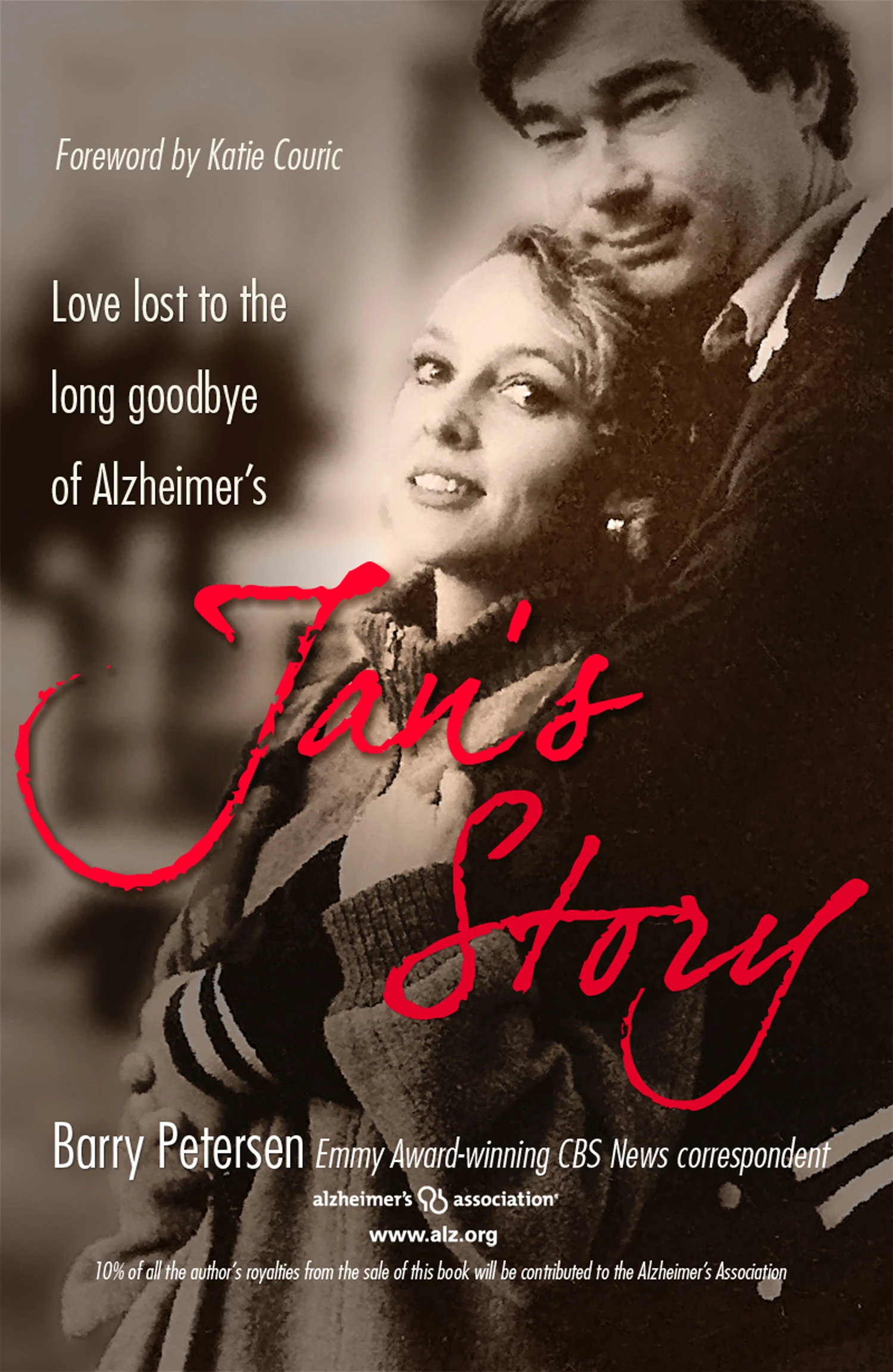
The author assumes that I think impacted topic = instant rejection, and that’s not the case at all. When super agent Paul Fedorko sent me a query about Alzheimer’s, I thought, oh no, not another one. Had I prescribed to this author’s methodology, I would have rejected it on the spot. Rather, I was pulled in by the query, which included a short passage written by the author. Holy bran muffins, thinks me, I must see this. I nearly drank myself into a coma after I read the full proposal. “Good Gracey Goosebumples,” I screamed at the beagle. “We done hit us the motherlode.” We couldn’t sign Barry Petersen fast enough [personal website here].

This has happened time and again with many of the authors I’ve signed. There was something that nipped my nose in the query, even though the subject matter had a lot of competition. But it was their proposal that tipped my personal seesaw.

So to the author who was exasperated at having sent in her proposal even though I knew at the outset hers was a heavily impacted subject, I say chill out. Nothing is ever a wasted effort because there is always another side of that seesaw, yanno? Rather than finding fault with me, perhaps she could use my comments to further cement her position by meeting the reality head on. What do I mean by that?

Tip the seesaw in your favor and head ‘em off at the pass

If you write in an impacted category like the ones I mentioned above, admit it. Understand it. Deal with it. Confront it. I always think of Kate McLaughlin [personal webby here] when I talk about this subject. She sent me a query that instantly caught my eye, even though the subject was bipolar disorder. Oh no, sez me, not another one. But Kate, no neophyte, headed me off at the pass and never gave me a chance to complete the thoughts that were knocking against my brain cells.

She whacked me over the head with her title comps and did a comprehensive compare and contrast of each title – proving the unique qualities of her book. It was as simple as, “This is what title ABC covers, but it doesn’t address issues X, Y, and Z. Mine does, and here’s how.”

She confronted the issue that her book had a ton of competition, but she convinced me that her voice was unique. Indeed it is. Kate’s Mommy I’m Still in Here is the Great Yoda for families suffering bipolar disorder because of her unusual and fabulous perspective.

But I would have never known that had she not told me. Proven it to me.

No Whine Zone

So authors are invited to pick their poison. Do they allow frustration to creep in when an editor tells them they write in a crowded genre, or do they head it off at the pass and realize they have a higher hill to climb and must work harder to be accepted. Hopefully Ms. Rejected Author will pick up the seeds I dropped in my rejection letter to her. If she does, she can crank out a proposal like Kate’s.

Or…she can tell me I wasted her time. Who’s the winner here?


POD websites – gotcha!

April 21, 2010

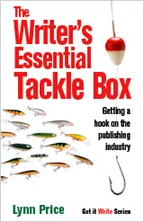
It’s been a while since I blogged about how to sniff out a POD publisher by looking at their website, and I’ve had a few questions about it recently. Additionally, there is a great chapter in Tackle Box about the signs to look for and I have the whole POD Series you can read under the Classic Posts section off to the right of the screen.

In this day and age, it’s hard to figure out what a publisher is really about from their website unless you know what you’re looking for, so I thought I’d give a breakdown for easy digestion. Most of them are a template and this makes your job a lot easier. Here are some of the things you may see on the POD website:

  • POD websites are geared toward attracting authors, not readers. This is geared to excite the author out of their skivvies because they feel they have a chance at their dreams. Keep in mind that PODs make money off their unpaid sales force – their own authors – because their books aren’t in bookstores. They need a fresh meat supply at all times.
  • They may mention with great pride that 10o% of their authors are unagented. This is also meant to excite authors because most don’t have agents, so many believe they have a chance at their dreams. Sound repetitive? A commercial trade press will NEVER consider this a bragging point.
  • They may offer a higher percentage of royalties, but they may not say what those royalties consist of. Net? Retail? Net can be iffy. For example, paying on Net should mean that the author is  paid royalties on what the book actually sold for – the discounted price that the publisher sold to the bookstore. However, some POD publishers will extract their production and incidental costs, which are hard, if not impossible, to verify. This means the author is could be left with a few nickels to rub together.
  • They may state, “Professional covers and layout.” Puhleeze. This isn’t a selling feature. This is simply a part of doing business for the commercial trade publisher. It’s like having a car lot saying, “Oh heckititeetoot yes, we even include the tires with your car!” Well, gee, I hope so.
  • They may also say, “Our average lead time is less than six months from acceptance of the contract to books on the shelves.” This is a dead giveaway. There is no way I can accept a book and get it on the shelves within six months. For starters, my distributor needs a four to six month lead time just to get it into their catalog, which goes out to the genre buyers. We allow for three months to edit a book, design the cover, do the layout and interior design. Then we get the ARCs out to reviewers, who need a four month lead time. You see where I’m going with this, right? Anyone who hands out a short lead time like this more than likely isn’t a commercial trade publisher. Mind you, I’m talking US publishers.
  • “Tired of being turned down?” Commercial trade publishers don’t exist to ease the plight of the unpublished. They exist to buy great books and sell them to our lovely readers. It’s very common for PODs to use this type of verbiage in order to make them look like they’re the Great Savior to the downtrodden and defeated. Commercial trade publishers feel that if an author is rejected over and over again, it may not be suitable for publication.
  • “Give us a chance.” That is something you will never hear from a commercial trade publisher. We know who we are, so you either want to work with us and believe you have a book that will tickle our fancy, or you go elsewhere. We don’t beg to be given a chance. Instead, we have to prove ourselves by getting your book on store shelves and into readers’ hands.
  • There is no reading fee and we never ask authors to subsidize the publishing costs. Anyone who tells you this is someone who doth protesteth too much. I’m not saying they’ll do this because they probably won’t. But my point is that they even bother mentioning it. It’s pedestrian, and commercial trade presses don’t say these things because, like, um, why would we?
  • We want to be your publisher! Now this just makes me squidge because I want to ask, “how do you know you want to be my publisher? Do you have any standards, or is this just a general cattle call?” If I were to put up anything of this nature, it would be more akin to, “I am a snarly old bat with incredibly high standards who will bite your ears off if you send me junk!” The POD blurb gives the idea they’ll accept anyone as long as they have a constant pulse. We, OTOH, have an acceptance rate of 1%.
  • Genre. Most small trade presses limit the genres or niches they accept because they don’t have the editing staff to adequately edit Westerns, SF, Fantasy, Horror, Historical, etc. The POD press will accept just about any genre in existence. Be mindful of this. You want a properly edited book, and I guarantee that a POD press has very few editors on staff, and they can’t possibly do justice to every genre. No way, no how.

As I’ve said in the past, I hold a very tepid affection for POD companies because I’ve seen too many victims of those who made grand promises only to pull the literary rug out from underneath a lot of good people. PODs can be great for OP books or niche. But for the standard “I’m not ready for primetime publishing” PODs still make me growl. Or rather, the beagle growls, and I drink. I detest seeing authors get ripped off, and these guys do it either by design or sheer stupidity because they think they just invented the wheel.

Know what you’re getting into and know how to recognize the signs so you can say, “Ahhh, gotcha!”


The $20,000 typo – Spellchecker isn’t always your friend

April 20, 2010

Oboy, fears of suffering stuff like this makes me awaken in a cold sweat, screaming like a banshee. Penguin Group Australia has to eat and reprint 7,000 units of a cookbook that has a very regrettable typo; a recipe that calls for “salt and freshly ground black people” – instead of pepper – to be added to the tagliatelle with sardines and prosciutto.

Oh. Dear. God. Good thing they can afford it.

But what surprises me is head of publishing Bob Sessions’ attitude. Not only is he not recalling the bad books, but he’s scratching his head over why some people are offended by the slip-up. Um. Hello?

Were that me, and I thank The Cosmic Muffin that it’s not, I couldn’t recall those books fast enough. And any normal thinking publisher would feel the same way. So not only has Spellcheck sabotaged his editor’s best efforts, forcing him to spend oodles of money, but he’s created a nice PR nightmare.

Dude. Way to go.

EDITED TO ADD:

Penguin has issued an apology. Finally. Given Bob Sessions’ earlier remarks, I have a sneaky feeling he was wrestled to the ground by his PR folks. Or his wife. Either way, they have explained the situation and have pulped the remaining books in their warehouse. Still, it would have been nice if they’d grabbed the ones still out on the marketplace. Yes, it’s achingly hard to do and a royal PITA, but it’s also the right thing to do.

The article does explain something that plagues all publishers, and that is the invariable typo(s) that sneak through the editing process. I’ve seen many people rip publishers apart for their lack of catching them before going to print. I cringe just like everyone else if I catch a missed typo in any of our books as well. But the facts are this: we’re human. Even though we read through the finished product numerous times, shit happens. And it happens to every single publisher on the planet.

How one handles that HUGE typo is, to me, a show of character. Or lack thereof.


Similes and Metaphorrors

April 20, 2010

These little puppies are so much fun because they add a ton of color and can create a marvelous visual palate to an author’s writing. Similes and metaphors are comparisons of one thing to another. Similes usually have “is like” in the sentence somewhere. A Metaphor contains “is” in the sentence.

I’m not going to make a big issue of which is which because I really don’t care. There are plenty of sentences where the simile or metaphor contains neither is or is like, so who cares? The point is their use. Or overuse. And that’s why I call them Metaphorrors.

Overload/Overboard

Just recently I read halfway through a book published by Simon & Schuster that I really wanted to throw clean across the room. I would have, too, but it was living inside my Kindle, and we have a rather close relationship. So I did the next best thing – I deleted the offending story with a colorful curse sliding off my tongue.

It’s offense? An overabundance of similes and metaphorrors. I’m talking OVERABUNDANCE – like three or four to a page. And these weren’t short little ditties like:

“He considered reading akin to breathing.”

Nooo, no, no, no. These were long, descriptive sentences like:

“”He considered reading akin to breathing, like a fish depends on water rushing through its gills so he can hunt down eensy little crayfish and become nice and fat as to make for an attractive dish to some larger fish in the sea.”

Good holy cheesecakes, Shakespeare, this is overkill to the nth degree, and I wanted to toss the whole thing overboard. Imagine seeing these types of metaphorrors three and four times per page.  I wondered if the editor’s brain seeped out of its cranial stronghold or whether she was simply in a metaphorror-induced coma.

Balance

Remember, the key to all writing is balance. I adore metaphors provided they don’t grow long drippy fangs and have bad breath. I use them in my writing all the time, and I believe they are what keep readers engaged because they are seeing a comparison between two things that often give bigger clarity than without it. And I love it when writers use clever similes/metaphors because it paints such a vivid picture. The more we see your story, the more sucked in we are to your world.

It’s one thing to say “Publishing means a lot to me.”

or saying

“Publishing is the zig to my zag, the hoo in my ha, the knees to my bees.”

The first sentence is simply a state of fact, colorless and just…there. The second sentence has people rolling their eyes and saying, “Oh, there goes Pricey again…”, but, nonetheless, getting a clear idea of how much I love publishing in a way that’s memorable [hello, voice] and leaves a lasting impression.

And that’s what we all want to do – leave an impression. But we want to leave a good one, right?

Cliché

Ugh, is there any bigger buzzkill that the cliché metaphorror? We’ve all seen them:

Hungry as a horse
Big as a house
Laughs like an outboard motor
Tough as nails
Good as gold
Raining cats and dogs [yeech!]
Subtle as a meat axe

Serious as a heart attack

We’re writers, remember? We can’t yank out the old retreads and expect to be considered unique or in the least bit clever. We don’t want to deny our readers of color and the ability to see inside our heads. I’m as sure that readers will yak  at seeing flaccid, shopworn, frayed metaphorrors as I am that I’ll burn tonight’s dinner. Don’t use cliches. Just. Don’t.

Have fun with similes and metaphors because they really are the difference between good writing and fabulous, memorable writing. But just like my penchant for choccie martinis, use them with care. Don’t turn them into metaphorrors.


“I blame technology”

April 19, 2010

I was having a discussion with some writers and telling them some of the crazy things that authors have done with their queries that made my jaw drop to my lap. It was based on an older blog post – “Hello, is there a brain in the house?” After collecting some titters and gasps of dismay, my buddy Tom blamed this abundance of less-than-clued-in on technology, citing the computer as the harbinger of evil while harkening back to the days when he bought his first typewriter.

Lordy, how I do NOT miss those days of making multiple copies with carbon paper, and how most of the carbon ended up on my white blouse that Mom had just bought and now her intestines were going to explode trying get the stain out. And hey, am I the only one who remembers the intoxicating smell of white-out? Who knew it would become a drug of champions in later years? All I remember is making mistakes didn’t bug me nearly as much. But I digress…

I think buddy Tom makes a valid point with technology. When the digital printing hit the market, this made it possible to print just a few books. Like any new technology, their makers don’t want to keep it quiet, so they needed to figure out how to promote it. I remember seeing the early ads – “Now everyone can be a published author!”

People opened up businesses where they could capitalize on this new technology to sell publication services. Thus the birth of vanity publishing like AuthorHouse, iUniverse, and scads others. Their promotion was compelling: “Everyone deserves to be published!”

And ye, would-be authors, they did cometh. In droves

They surfaced from the woodwork, from under rocks, from nearby bowling alleys, and anyone with a pulse. And believeth, they did. Publishing had now joined the K-Mart era, and books began flying out of digital presses at an alarming rate.

Genre buyers and reviewers were caught with their Vickie Secrets down. “What is this avalanche of crap writing we’re seeing? Who the hell is iUniverse/AuthorHouse/etc.?” Like the beagle late for a margarita, buyers and reviewers shot back with lightening speed and shut the door on them.

And ye, the authors did howleth. “Why, publishing industry, have you forsaken us?”

As it became all too apparent, all too quickly, the quality of writing suffered with this new technology. And what technology giveth, the marketplace taketh away.


Follow

Get every new post delivered to your Inbox.

Join 963 other followers

Powered by WordPress.com