The beagle is highly incensed.
The beagle is highly incensed.
 7 Comments |
  Uncategorized |
  Permalink
 Posted by lynnpricewrites
There is a flood of opinion regarding e-book pricing. Should they be .99 or have a sticking point of $9.99? Or is the sweet spot between $5-$6? The truth is that with any new enterprise, there’s a lot of shake-out and no one knows quite sure where pricing will end up. For now, it’s a lot like covering your eyes and tossing a dart toward the bull’s eye.
This is undiscovered territory, so what parameters are used to calculate retail price?
Retail Pricing
Retail pricing is an agreement between the producer and the marketplace. A new product hits the market, and consumers decide whether the price fits within their collective ability and willingness to pay, based on desire for the product.For example, when iPads hit the marketplace, people stood in line for hours to fork over their $600 because Apple had done such a fantastic job in creating desire, which took demand to new heights.
If a product moves too slowly, the producer drops the price in order to lure in consumers. We can see this with Amazon’s Kindle. They were the only game in town, but when other e-readers began to cut into their market share, they dropped the price to undercut their competitors. Who won? The consumer!
Retail pricing is a bit more static with physical books. There’s an accepted agreement about the retail price for a hardback book, trade paperback, and mass paperback. You get outside that norm, and buyers balk, and authors scream, “Gah! SkanyPantsPublishing is charging $21.95 for my 150 page trade paperback!” Books that fall outside accepted norms suffer poor sales.
Those outside of publishing believe that production costs (editing, cover design, interior design, discounting, marketing and promotion) determine pricing. It doesn’t. Mainstream publishers (and if any of you call it Legacy Publishing, we can never be friends) shell out a ton of money to produce a single title, and we all make our money on selling a lot of units in order to not only collect our initial costs, but to also make some money in the process.
E-book Pricing
E-book publishing is a whole new can of worms. Not only are publishers discovering e-books’ viability and trying to come to some agreement regarding standard pricing, but DIYers are added into the mix, who are all too happy to undercut the market. The result is that there’s a lot of confusion over the disparity of e-book pricing.
Amazon was the first to introduce e-books, and they began with a flat price of $9.99 or lower. Consumers got used to those prices and believed they should remain static because publishers don’t incur printing costs or warehousing costs. This justification is flawed because, as I’ve already pointed out, pricing has little to do with production costs, and everything to do with established norms for book prices. E-books are the Wild West without a sheriff.
The larger publishers inverted their navels because they wanted to charge whatever they wanted for their e-books, and this brought on The Great Amazon/Big Publishing BitchSlap Fest, which saw Amazon removing the Buy buttons from certain publishers until they sat down like quasi-civilized folk and came to an agreement. The result is that publishers can charge whatever they want and determine whether they want to allow Amazon to discount the e-books.
Personally, I think it’s nutty not to allow Amazon to discount the e-books…after all, they still pay royalties on the retail price. If Amazon wants to sell our e-books for $5 less than retail, who am I to quibble? I’ll sell more books and get royalties on the retail price. Win win.
But now we’re getting into murkier waters because prices are all over the map, and we have yet to achieve pricing stability. So what should determine the retail price of an e-book?
Quality
People readily understand that a hardback book sells for roughly $25 because it costs so much to produce them. Guess what? They don’t. Depending upon your print run, printing costs for hardbacks are extremely low, so the profit margin is delicious. Where’s the consumer outrage?
No one quibbles about paying $600 for an iPad or paying higher prices for Apple/Mac software. They pay it because they want it. Yet in both those cases, the production costs allow for Apple to make a LOT of money. Consumers could easily buy a less expensive tablet or buy an IBM compatible and pay a lot less, but they don’t because they realize these are quality products.
Retail Costs doesn’t = Production Costs
Many believe there aren’t many costs associated with an e-book because we already incurred those costs with the print production. Because e-b0oks are so popular, publishers aren’t selling as many print books and they need to recoup their production costs. There’s also the matter of employing someone to feed the e-books out to all the online venues. Those venues are growing almost daily – and so are the hoops that we have to jump through to upload and maintain the titles. It’s a full time job, and that isn’t free.
Option
There are readers who won’t buy an e-book that’s priced over $6. That’s their right, and I can’t argue with that logic any more than I can argue my own opinion that it’s insane to pay $600 for an iPad…regardless of how much as I love them. I’ve based my personal boundaries on the price, the quality, and my desire. If I get to a point where I can justify the cash outlay, my views may change.
E-books are simply a different reading option. You can either buy the physical book or the e-book, whichever is more convenient for you. Amazon threw a dart at the bull’s eye and established a retail price they felt would attract attention to this new reading option. Publishers understand the importance of e-books and have wisely gotten into the market.
Just because more reading options exist doesn’t mean it must be given away. Competition and buyer reaction will eventually lead us all to a standard. But it will boil down to quality. The retail price will reflect the quality of a book, just like everything else. Otherwise, why would anyone pay several hundred for a pair of Manolo Blahniks?
What to Charge?
The problem is how much to charge for an e-book. Answer: Who knows? This is a new modality, and we’re all scrambling around trying to create a new normal. As I mentioned above, I look at e-books as simply a different buying option. I read off my phone or iPod, so I’m an e-gal all the way. If I see a new book that I really want, I buy it regardless of the price. The publisher has offered their author’s book with two reading options, trade ppback or e-book. I don’t feel I have the right to a book for $5.99 just because someone has said anything higher is “unfair.”
We don’t know what’s unfair yet because books are being produced in all sorts of manners.
DIY
The DIY set have fewer production costs associated with their books. Invariably they’ve written their books, maybe paid a couple hundred for cover art and formatting, and uploaded the title to Amazon. The editing and quality of writing is often spotty, but hey, they’re published. And because they’re eager to sell, they price their books at .99 because they normally lack a platform, a readership, or experience.
So the fix was in – .99 is the new norm…until new data comes out suggesting .99 is too cheap and can actually hurt sales because the perception is that the low price = inferior writing. Today I read that the new sweet spot is between $5-$6, and that anyone charging $14.95 for an e-book is a diseased yak on crack.
I think what we all need is patience. We should resist flinging arrows about how stupid mainstream publishers are or poking fun at DIY (which really is ignorant). This will shake itself out eventually. Now if you’ll excuse me, I have a date with my e-reader…

9 Comments | e-books | Permalink
Posted by lynnpricewrites
I happened across a blog post where the author tossed out the question, “Why write it if not to be published?” As I read the post, it seemed to me the author was under the impression that many people don’t write with publication in mind. All I could say is, “Huh?”
I think what would have been more helpful to clarify what he meant because I see way too many people trying to publish their very first writing efforts. Most first writing attempts aren’t publishable, and the plethora of armchair writers don’t realize this. I blame our “I want it now!” mentality. Instant gratification is a lousy substitute for excellence because it short-circuits the learning process.
And who’s to say that after writing one, three, or five manuscripts you’ll be any good? It’s my dire hope that you are, but this “I’m gonna get published” is putting the cart before the horse. Why not learn the art, the craft, of writing first? Get off Writer’s Island and become active with writer’s groups.Attend some conferences to network with fellow authors, agents, and editors. Get your work out to beta readers…good, honest beta readers. Those experiences are helpful in determining whether you have something good or not.
It’s possible that I’m overly picky about “write to be published,” and this is a matter of semantics. But I meet so many writers all over the country, and very few of them say, “I’m writing because I love the ability to pour my heart out on paper. It scratches an artistic itch that I don’t get from my job as a navel lint collector.”
And that’s why we’re driven to write – not the promise or hope of publication – but the feeling we get from weaving a tale that touches our soul.
Do you feel you’re putting the cart before the horse and dreaming of publication, or are you more interested in writing a good story because it feels good?


16 Comments | publishing, writing | Permalink
Posted by lynnpricewrites
Like everyone else in the publishing industry, I’ve been following the many blog posts and articles about Amazon’s Thomas & Mercer publishing imprint, and how those who have signed are ga-ga over the money, the promotion, the control, and did I mention money?
Leading the charge are well-known authors who have abandoned their mainstream publishers in favor of Amazon’s riches. I applaud them because they’re looking out for #1 – themselves. They’re getting more money and selling lots of books. Who can argue with that? Their testimonials have writers rushing toward the floodgates to be a part of the Next Great Thing.
But let’s look at this logically. The authors who are promoting Amazon already have a large readership…that they got from where? Their mainstream publishers. It strikes me as disingenuous and ungrateful when people bash the very entity that made them what they are today. In praising Amazon’s abilities, their focus is on all the things mainstream publishers do wrong and fail to mention what they do right, which resulted in making them a recognizable name and gaining them a healthy readership.
I agree that mainstream publishing has its foibles and we all need to be aware of the evolutionary process in order to remain viable. Competition is good for the soul. But just because Amazon’s Thomas & Mercer is appropriate for those known authors, does anyone really believe this is your typical publisher? And this is where blind faith comes in, and Amazon exploits this very well.
They sign big name authors and offer them the moon. They can do this because, well, they’re Amazon. So Amazon now has a cadre of happy happy authors who are making pretty good money and lots of sales. And best of all, those books are coming out far faster than mainstream publishing. I have no quibble with this at all.
But what has me casting a wary eye is where and how this will eventually shake out. Right now, everyone is rushing toward the new kid on the block who’s offering attractive promises, thus ensuring Amazon’s bid to monopolize the publishing industry. And once it’s done this, then what? Once you have total control, or a huge part of it, you can call the shots and decide who and what gets published.
The marketplace has traditionally been the litmus of what publishers produce. Oh, you want more vampire romance? Okay? Ah, more DaVinci Code? Sure thing. But when you control the majority, marketplace desire becomes secondary because they’re going to buy whatever you’re offering because it’s the only game in town. Now it becomes a matter of, “You’ll buy what we give you not what you want.”
Ok, I realize I sound very 1984 and Fahrenheit 451, but it pays to look past the blind faith and look at the potential realities because authors’ literary careers will be affected. This is a company that disses mainstream publishing (if anyone calls us legacy, I will instruct the beagle to bite their toes off), yet is employing many of its tenets to their own business plan.
I have no problem with anyone taking the best qualities of publishing and combining them with their own ideas, but I wonder if Amazon will use this to become the Costco of publishing. I love Costco for the ability to buy my 50-pack of toilet paper and 75-gallon drum of olive oil. But they appeal to the largest common denominator, which means I can’t buy that fantastic tomato basil soup that only Trader Joe’s makes, or the fabulous garlic French bread the local bakery cranks out every Thursday. For those reasons, I don’t want Costco to be the monopoly on groceries. There are many things they simply can’t do well because of their vast size.
Which brings me to the realities of Amazon. You can’t create a major takeover and not create a serious fallout for the industry. In the rush to be published, I see many writers jumping on the Amazon bandwagon. I believe there’s room for all, but if Amazon edges us publishers out and we become the way of the dinosaur, then what? Many of you may say “good riddance,” but it’s a good idea to consider the repercussions a monopoly may engender downstream.
And it’s this very reason that I cast an edgy eye at Amazon’s signing these big name authors and promising the moon. Their effusive praise is the doorway Amazon needs in order to attract authors down the path of blind faith.
Costco is about one thing, selling lots of things in bulk. Trader Joe’s and my local baker are about a love and appreciation of excellence and quality. I’m not convinced the reality of Amazon is about quality and love of literature than they are about selling piles of books. It’s my hope the two goals aren’t mutually exclusive, but I can’t help but wonder where this road will take us and those who are flipping us the bird now won’t eventually come to decry our demise.


24 Comments | Amazon, publishing | Permalink
Posted by lynnpricewrites

I was honored to give the Sunday Keynote speech at the Florida Writer’s Conference – a fantastic group of dedicated writers and all-around wonderful folks. Every time I leave a conference, I try to take the overall temperature of the conference goers. Are they excited by all they learned? Are they confused at the contradictions they may have heard? And worst of all, are they defeated at the odds of a mainstream contract?
For that reason, I felt it important to remind them that they (and you) are diamonds. So here’s what I told them Sunday morning:
Scientists say that diamonds are simple carbon molecules, created under high pressure.
Likewise, the publishing industry is made up of ordinary people growing and learning who they want to be under the most extraordinary of circumstances. And for all of us, sooner or later, there comes that moment of high pressure. So how do we become diamonds?
Elements for creating a diamond
Time: No one knows how long it takes to create a diamond. Weeks? Months? Years? Millions of years? There’s no way to carbon date a diamond. Likewise, there’s no way to carbon date a writer. Writers sometimes lose sight of the process and focus on the end product – publication. What happens is that desire short-circuits the most important gift of all – time to learn the art of writing and effective storytelling.
Environment: Diamonds are formed 75-120 miles below the earth’s surface. That environment is optimum for their creation. What is your environment? Have you parked your posterior on Writer’s Island? Creative Writing at your local junior college? Writer’s conferences? Online networking? Writer’s groups? Ask yourself whether your environment is conducive to making you the best writer you can be.
Personal Environment – Are you the Hobbyist who has a sweet story that you’d like to make available to friends and family? Or are you a Serious Writer who has many books burning a hole in your soul and will consume you if you don’t get them down on cyber paper? It’s an important consideration because it will define which publishing option is most appropriate for you.
Personality Environment - Are you shy, or have you channeled your inner hambone? Your personality will create the foundations for how to best optimize your promotion plan.
Temperature: Diamonds come from pre-existing rocks that melt in the Earth’s upper mantle. Similarly, you authors take your literary temperature by gathering all the ingredients you’ve learned to write your book, analyze that fickle mistress, the marketplace, and define your readership.
Fluctuations: Lordy be! Fluctuations are Life’s middle name. But for diamonds, the fluctuations in temperature force the carbon atoms to go deep into the Earth’s crust, where it melts and becomes new rock once the temperature reduces. For you writers, fluctuations are happening almost daily in the growing publishing options. We have DIY ebooks and print publishing, vanity, mainstream. It almost gives me a Wizard of Oz moment…”Lions and tigers and bears, ohmy!”
And there is absolutely nothing wrong with fluctuations. We need them in order to test the boundaries, to grow, to evolve. If everything stayed the same temperature, then how would we become better?
Timing: If conditions are right, like pressure and chemistry, then the carbon atoms in the melting crustal rock bond to build diamond crystals.
In publishing, it’s invariably all about timing, right? Have you written something that is suddenly hot in the social mainstream? Is your story the perfect counterpunch to a worldwide event? Tra la!
Conversely, are you writing in an impacted genre, like teen angst YA, or are you the ignition point to a new twist, like Stephanie Meyers was to vampire romance?
First and foremost, you must stay true to your heart. Write what you love, and don’t let anyone tell you otherwise. Your timing may be off and your diamond crystals may have a tough time forming, but as a lovely diamond-in-the-rough, you’ve been mindful about Temperature, which invites you to be aware of how to insure your story has unique qualities that is impervious to Timing. In other words, you’re very smart diamond crystals.
Guarantees: Now here’s the rub. After facing all those processes of Time, Environment, Temperature, Fluctuations, and Timing, there is no guarantee those carbon atoms will turn into diamonds. If it’s too hot or there’s a drop in pressure, then the diamond crystals may melt partially or totally dissolve. What a buzzkill, right? But that’s the nature of Nature.
And you literary diamond crystals are no different. There are many elements that influence whether you will turn into a diamond or remain partially melted rock. In spite of the fickle marketplace, the economy, the subject matter, impacted genre, talent, and the myriad of publishing options, these very elements are an invitation to you to stretch those carbon molecules in a way you never considered. Rather than lament it, celebrate it. Honor it…and yourself.
Discovery: So let’s say those lovely carbon molecules do everything right; it still takes thousands of years for those diamonds to rise to the surface where they can be discovered. We can be grateful not to be in their shoes, right? However, you lovely writers still have the same considerations. You can’t rush your journey to the surface.
The laws of nature create the conditions for simple carbon molecules to form into a treasure. So does publishing. Doing it right takes time. Overnight success is a myth. It takes hard work, determination, time, education, and stashing several books under the bed before you get a publishing deal that’s appropriate for you. Just because you can doesn’t mean you will. Embrace that reality, and honor it.
Quality: Diamonds are classified by varying degrees of clarity, color, carat size, and the very cool thing is that there’s room for all kinds of diamonds. Everyone wants and loves diamonds. They’re rare, but conversely, there are a lot of them. So you need to ask yourself what color/carat/clarity are you?
Given the advances with technology, and changes in the economy, publishing is in a state of change. But we’re in this together. Through the process of immense pressure, we each combine our elements into making something wonderful together – whether you choose DIY or mainstream
And just because these options exist doesn’t mean that one is better than the other, or that one will be successful at the expense of another. Or that one will be successful at all. It simply means that through the process of pressure, you’ll create your own diamond that will allow your color, clarity, and carat to shine through.
9 Comments | Diamonds, writing advice | Permalink
Posted by lynnpricewrites
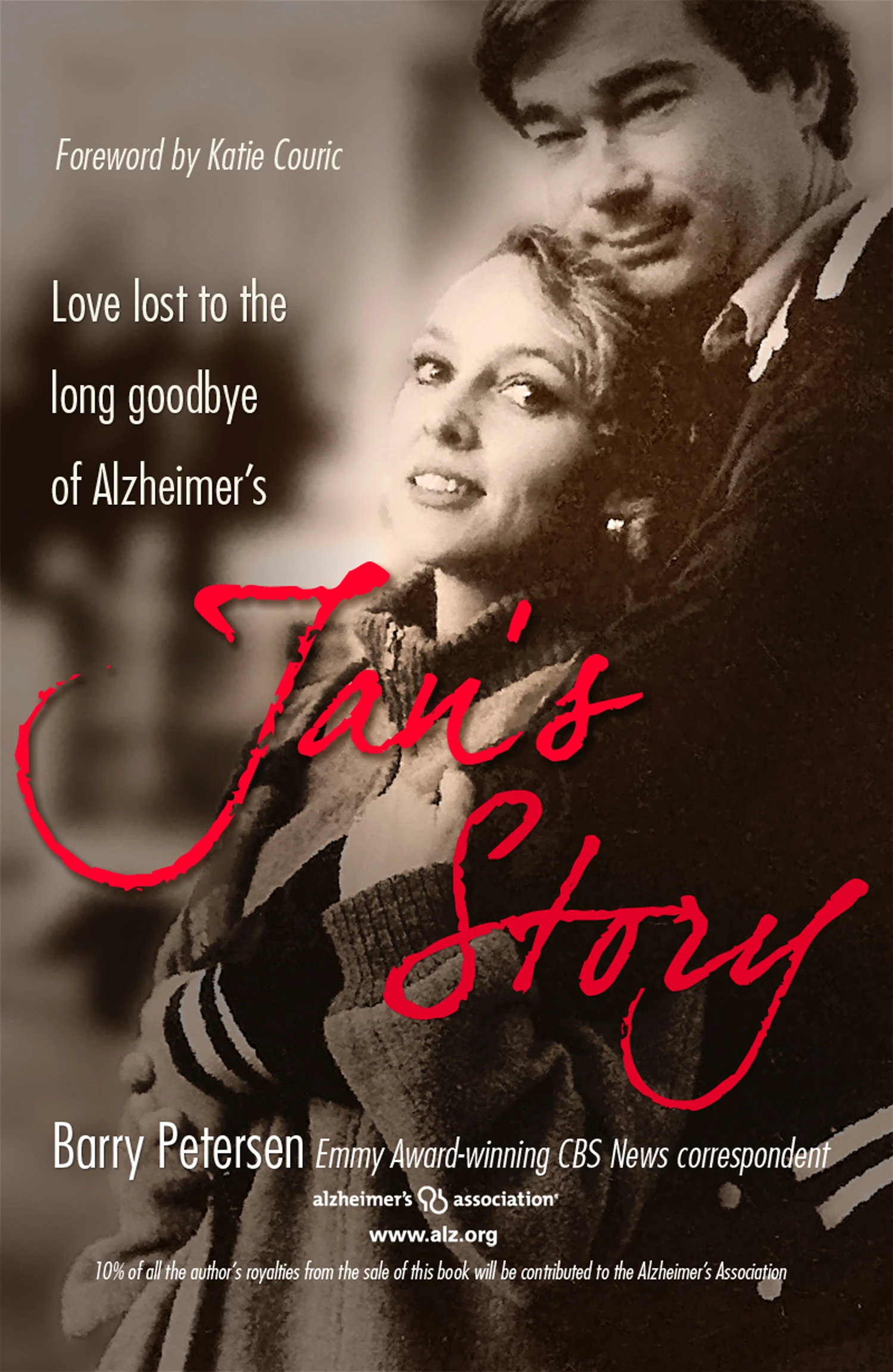
Fantastic interview with Barry Petersen, author of the bestselling book, Jan’s Story, which chronicles the downward spiral of Barry’s precious wife, Jan, as she reaches into the bottomless pit of Early Onset Alzheimer’s.
Early Onset is especially cruel because it steals its victims in the prime of life, sometimes as early as mid-thirties. They have kids still living at home, they have jobs – and so does their caretaker. And worst of all, Early Onset takes its victims faster and harder, which compounds the problem because their caretakers have to balance work, parenting, and caretaking. It’s a pressure that often breaks the backs of the very strongest.
And what about love? That “til death do you part” doesn’t have an expiration date. Your love is still very much living, but doesn’t even know you. Do you say goodbye to love at the prime of life? These are issues that Barry delicately handles, and I’m so thrilled this interview captured the essence of Barry and his book.
I remember our editing sessions – we did them on Skype so we could go paragraph by paragraph – and I’d get off the phone and reach for my Kleenex box. For Barry, editing was live tearing off a fresh scab and I hated having to put him through it, but I knew we had a bestseller on our hands and I wanted it right. The result is that Jan’s Story is THE go-to book for Early Onset Alzheimer’s.
I hope you listen to the interview. Chances are you’ve heard Barry’s reports on TV or radio and never realized it. His golden voice is as distinctive as his reports. It’s heartbreaking that he had to report on his own personal tragedy, but he has done the Alzheimer community a wealth of good.
Godspeed, Barry. Godspeed, Jan.
Leave a Comment » | Barry Peterson, Jan's Story | Permalink
Posted by lynnpricewrites
It’s hard to resist Mom and Dad when they say, “Come on down to Palm Springs and then join us in Las Vegas.” What’s a girl to do but pack a few things, grab the laptop, pat the beagle on the head with warnings of not emptying the tequila bottle, and bug out the door.
And now I’m home. But I’m leaving again for the lovely climes of Orlando, Florida and seeing the the wonderful folks at the Florida Writer’s Conference. So I thought I’d leave you with this so you can see how easy it is to sweet talk an editor.
4 Comments | Uncategorized | Permalink
Posted by lynnpricewrites
Last year I read Joan Didion’s book The Year of Magical Thinking. Her book is stunning, and her writing sucked me in with the first sentence. I wanted to reach out and hug her, so strong and compelling is her sadness. Even though I didn’t know her husband, I ached right along with her because she showed me what her love and pain felt like. Her book is about healing, so she simply allows the writing to go wherever it takes her. She wanders.
And she wanders better than most because she’s a Word Wizard and has a ton of fabulous books under her belt. It’s thoughtful and seamless, but it’s anything but effortless. It’s deliberate and always has a focus, and there is a reason for every sentence she writes. Even though her wandering appears somewhat random, she takes the reader down a meticulously planned road. This takes talent and experience.
This past week I read two manuscripts – one fiction, the other nonfiction – that emulate Joan’s style of Thoughtful Wandering. Neither of them worked for different reasons, so I thought I’d share my thoughts in hopes that it helps you with your writing.
Thoughtful Wandering off the Beaten Path
Your book must have a focus, a direction in which it needs to go from Point A to Point Z, right? Everything that happens between those points takes a logical path that ends you up to Point Z. If you stick to the beaten path and never wander very far, it can result in a dull, predictable story that has no flavor.
That’s why we have subplots and twists in the road. But ultimately, all those roads need to point in the same general direction. So it’s okay to wander, but don’t wander so far that the reader has no idea why you chose to go there in the first place. Stuff that goes nowhere is fluff. Fluff is fine when it’s used in very small quantities.
Joan’s narrative does this very effectively. She is devastated by her husband’s sudden death and her daughter being in a coma. She wanders off the path by talking about writing and how she’s always found meaning in words, and yet, words elude her, so she struggles in this new territory. It’s an effective wander that serves to expose more of her aching heart and how it has disrupted her view of the world.
In the hands of a newer writer, this could be a huge clunk because many writers don’t recognize the importance of “wandering on point.” The idea is to allow your thoughtful wandering bring bigger clarity to the protagonist. In Joan’s case, the wandering is a metaphor for what’s happening in her life and how to come to grips with it all.
Is there a place where you can use Thoughtful Wandering in such a manner that will enhance the depth of your protag?
The Golden Thread – Wandering has to have purpose
In the hands of a lesser writer, Thoughtful Wandering can have disastrous results – like the two fulls I read.
In both cases, I read through the first few chapters and couldn’t figure out why they were there other than to convey one particular point. I mean, it was easy to belt out one point, so what were they doing with the other five-ten pages? Filler? Character development? As it turned out, very little was going on that pertained to the story.
Where to start: It’s vital that you start your book in the right place. In the case of one manuscript, the author started her book in a bar. She’s a new hire to a large corporation and her new colleagues invite her out to a bar for a drink. Absolutely nothing is going on except a dull conversation that doesn’t expose anything about the protagonist or her new friends. Instead, it’s filled with the mundane, the ordinary. The dialog consisted of banal things like ordering a drink, adjusting her skirt on the stool, checking out men’s butts and, oh hey, by the way, a guy was murdered in the office ten years ago. Script in spooky spine chills.
%he sheer dullness of the chapter makes it painfully easy to see there’s only one reason this chapter even exists. What’s worse is it’s not even the plot, but simply the ignition/backstory to the actual plot, which is about the protag’s boss being murdered. We need to know about the previous murder in order for the protag to see an emerging pattern and, therefore, begin investigating the murder of her boss.
The problem is where she began the story. She instantly lost me with wandering. She had the Golden Thread by fitting in the previous murder, but it was set in a setting that made no sense. She could have exposed that previous murder in a much more engaging manner that would have sucked me in. Instead, the bar scene made my eyes glaze over.
It’s kind of like when my daughter insisted on dressing herself for the first day of Kindergarten. She did a fabulous job of brushing her hair and picking out her clothes. She look adorable in her little powder blue overalls, except for one thing…they were on backwards. And that’s what this chapter did for me, the wardrobe had possibilities, but it was dressed backwards, so the one Golden Thread stuck out like my daughter’s jumper. (And no, she wouldn’t let me change them around.)
Choose your first chapters with care. If I can’t see any reason for the scene other than that “one thing,” then I’ll know you have an organizational problem.
Backstory/Fluff: I’ve written about this any number of times, and it applies to thoughtful wandering because they’re tied together like the beagle and tequila.
I’ve often said that the use of Backstory is great or evil, depending on the writer. It needs to be short and sweet, and it needs to have a reason for being in that particular scene. Effective Backstory is thoughtful wandering because you’re adding depth and dimension to your writing.This means that you have a transitional sentence going into the Backstory and a transitional sentence going out of the Backstory.
Example:
Evil Editor had murderous thoughts as she scanned her office. Papers hadn’t been filed and her phone’s message light was lit up like a Christmas tree on steroids, confirmation that the beagle hadn’t answered a single phone call. The worst offense was a half-eaten designer chewie bone and an empty bottle of tequila. She glared at the beagle with fire in her eyes.
As much as she wanted to fire her mangy secretary, Evil Editor looked past the stubborn defiance radiating from the beagle’s eyes and saw her as she was five years ago. A puppy. She’d arrived on Evil Editor’s front steps, dirty, cold, and abandoned. She was so weak and frightened, Evil barely heard the gentle whimper. She’d scooped up the shivering beagle and made a vow to always protect and care for her.
Those five years melted away away, and Evil suddenly felt ashamed. What had happened to them? How did they get to this place where her office was in disarray and the beagle a sloth and drunk?
Those sentences in blue are the transitional sentences that lead into Thoughtful Wandering (backstory), and back out of Thoughtful Wandering. Those transitional sentences are the Golden Thread that keep your wandering on track. What I wouldn’t do is continually go back in time to expose more of the relationship between the beagle and Evil Editor because it isn’t necessary. I’ve established their past, so why belabor the point? Only expose what you need, and have a solid reason for doing it. (And no, that isn’t how I really met the beagle)
Timing: Fluff and Backstory is tricky if used at a critical time when we’re still getting to know your protagonist. If you keep going there time and time again, you’ll lose me.
And this is what the second manuscript did. The protagonist is in the car to meet her mother at the airport. Very quickly, we learn the protag has cancer and has a strained relationship with her mother. That’s fine. What wasn’t so fine is how the author kept derailing the scene with near-constant” off-stage” scenes between the protag her mother. Backstory. Meanwhile, I know very little of the protag, so I can’t care about the relationship she has with her mother.
It was too much, too early, and I was unwilling to wander with her. Dole it out in little tidbits, so it makes you hunger for more. It’s like when I take one bite out of a chocolate bar. I want to inhale the entire thing, but it’s more fun to torture myself with eating that bar in small increments throughout the day. I think we established I’m not normal, right?
But what is normal is to tease your readers so they keep coming back for more. Since the author exposed everything at once, the subsequent scenes between the protag and her mother didn’t have the emotional impact. I’d already eaten the entire candy bar – metaphorically speaking.
You are all Word Wizards, and you’ve been given a powerful wand. The trick is knowing the proper incantations in which to wield that wand in an effective manner so that your Thoughtful Wandering leaves the reader begging for more.
5 Comments | Thoughtful wandering, writing | Permalink
Posted by lynnpricewrites
I visited several writers sites yesterday during my coffee break and kept seeing this line pop up. Someone would write in about a vanity press, and someone else (sometimes the publisher) would jump in to “clarify” things. “No, no, we’re not vanity, we’re a co-op publisher.”
Sigh.
Co-op
First off, co-op is the shortened version of cooperative, and is defined as working or acting together willingly for a common purpose or benefit.
In the loosest of terms, this gives the impression that both parties are equally invested toward reaching a common goal.
Vanity
That isn’t the case with this form of publishing – and that’s why the proper term is vanity publishing, which is defined as the practice of the author of a book paying all or most of the costs of its publication.
Now here’s where things get muddy. Vanity publishers tell their potential victims authors that both parties share equally in the goal of publishing a book. However, all one need do is check out the pricing packages to know the author is not only shouldering the entire cost of production, but they’re also making the vanity publisher very cushy happy.
“We don’t accept just anyone”
Sure they do. Vanity publishers make their money from selling publishing packages…just like carpet cleaning salesman. The customer pays, and the company provides a service by cleaning the carpet. And just like the carpet cleaning company, there is no litmus for accepting a client other than their ability to pay.
Quality
I remember when I took a silk blouse to my dry cleaner. I pointed out the stain – I’d glorped mayonnaise on it – and asked if they could get it out. Sure, sure, they said. No problem. I went to pick up my blouse a few days later and nearly fainted. My beautiful silk blouse (formerly a dusty rose) had been washed out to a pale pink. In place of the stain was a giant white blotch.
Dude…WTF?
I give the guy credit for sporting a confident grin and puffy chest. “Looks good, yah? No more mayo stain.” Then he presented me with a bill of $14. My jaw dropped. He actually thought I was going to pay for the honor of him ruining my blouse. After much haggling that would have made any street peddler proud, I walked out of the cleaner with $50 to replace my blouse.
And this is exactly what happens with vanity publishing. You enter into an agreement, hopeful they will turn your manuscript into a thing of beauty. Instead, you paid a couple grand for a cover so ugly that the beagle would bury it in the backyard. The layout is so horrible, a third grader could have done it. And the editing? Well…what editing?
But where I got satisfaction in buying a new blouse, the author is stuck. They can’t complain about the appearance of their book and get their money back. They’re screwed. Oh sure, the publisher will happily make fixes, but it’ll cost the author extra.
There is nothing cooperative about it. The author pays for everything, and the “publisher” provides an inferior service that will ensure the author will never get a return on their money.
So the next time you hear the word co-op, take the time to enlighten the person who said it because it’s gobbleycock.
6 Comments | publishing, vanity | Permalink
Posted by lynnpricewrites
I finally got all caught up in my reading this past weekend, so now I’m a bit cross-eyed…and no one noticed. The beagle just thought she overdid the tequila to lime juice ratio again. It doesn’t take a brain surgeon to see that I live around a bunch of real touchy-feely peeps.
But since I’m all caught up, that means, unfortunately, that I wrote a lot of rejection letters – which is the primary reason for the margaritas. I hate writing rejection letters because it means I failed to find something yummy. The blowback from this is that I often get a number of emails from those who received form rejection letters asking me to please pass along their query letters to those I feel may have an interest. A couple authors were kind enough to even write an email for me, and all I had to do is sign my Jane Hancock, dig into my little black book, and hit the Send button.
Um.
I don’t do this.
And let’s think about this logically. If I didn’t even read the pages, but rather rejected at the query stage, then how can an author presume I’d happily crowd someone else’s inbox with a book I haven’t even read and know practically nothing about? It’s a big stretch to go from a form rejection letter to “Hey, lend a hand, willya?”
Truth be told, I’m not a delivery service, so it’s cheeky to presume I’m going to take time out of my day to do your job. There are times when I’m impressed with a work, and even though it’s not for me I may send it along to friends who pub in other genres. But let me be clear about this: I do it rarely. And when I do pass something along, I tell the author what I’ve done.
I know authors are eager for feedback and gaining any kind of “in” possible, but this isn’t the way to go about it. Networking often helps authors gain traction, say meeting at a conference. I’ve passed out plenty of cards with the offer that they may feel free to contact me any time. But a query letter isn’t networking – it’s a transaction of sorts. You write, you send, I read, I decide. Bada bing, bada boom.
A rejection letter isn’t an invitation to further engage me into doing favors for you. Even if I read your first three chapters and gave you a nice long critique, I didn’t offer to become your ears and eyes for the industry. I – and all my fellow publishing colleagues – have very full days reading queries, editing, screaming at errant beagles, and performing the million other publishy things to put out a terrific product. Nowhere does it say that we’re a referral agency, so please resist temptation.
I know you want to do it, but you need to stop yourself and ask whether you should.
7 Comments | authors behaving badly | Permalink
Posted by lynnpricewrites
You are currently browsing the Behler Blog blog archives for October, 2011.
 Behler Blog
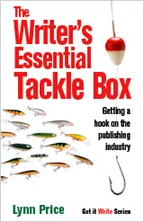 If you want the inside scoop on what floats our boats, The Writer's Essential Tackle Box is a must have. Out in November 2009.
"Hot Read" in OC Metro Magazine
Now available in Kindle
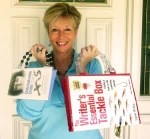
Look, Ma, I haz purses - click for larger view
Want to publicize your awesome new book? Do it with one of the beagle's cover art purses.
Click here for details.
Lynn Price: I am the editorial director for Behler Publications. This blog is about sharing information, advice, observations of various things that cross my desk, and getting a little silly sometimes.
Interview with Lynn Price
Quoting me?
Feel free to quote from my blog so long as you email me for permission, properly attribute me and post my link.
Email
I'm better off with email (lynn-at-behlerpublications.com) since my secretary, an unreliable beagle, normally ignores the phone - pleading the opposable thumbs issue. She's really only good at three things; mixing margaritas, copy editing, and sleeping on the job.

Click on cover for link
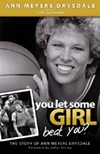
Stirring memoir byf Ann Meyers Drysdale's and her winning attitude of achievement and happiness
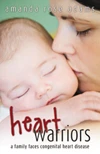
Amanda Adams' passionate and riveting story of what it means to be a Heart Mom for her son, Liam, whose 12 surgeries marked the first 8 years of his life.
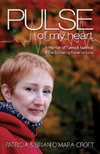
Moving memoir about unconditional love and blunt honesty that defines a new normal for Heart Couple, Brian & Patty O'Mara-Croft.
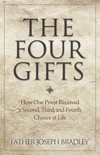
By all rights, Father Joe Bradley should be dead. If past usage of beer, marijuana, and cocaine didn't do the trick, then certainly dilated cardiomyopathy should have.
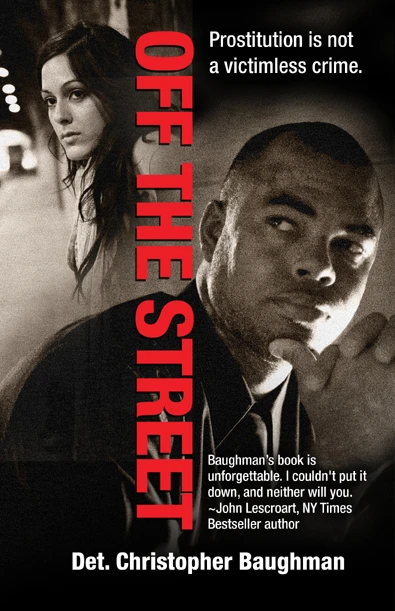
by Det. Chris Baughman
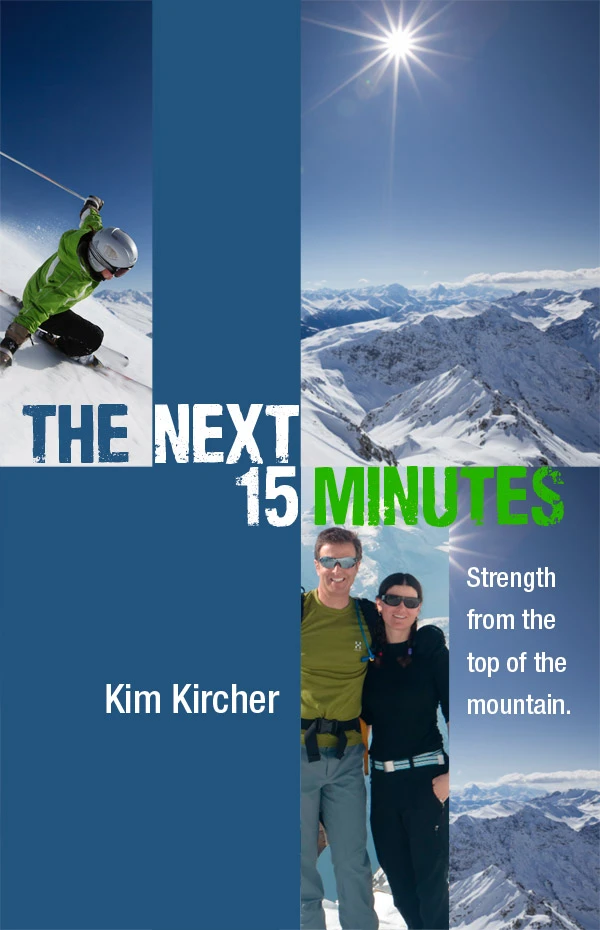
by Kim Kircher
The story of life, love, loss and renewal.
~ Brian Williams, Anchor and Managing Editor, NBC Nightly News
"Hot Read" in OC Metro Magazine
* Honorable Mention: Royal Palm Literary Awards
Foreword by Judge Alex
* Winner: Royal Palm Literary Awards
"Nothing Short of Joy is a masterpiece that will take you out of your comfort zone and into a magical world of joy. I love this book. I love this woman. Read it and reap.”
--Wayne Dyer
Behler Blog