Burning Bridges vs. The Elephant

September 30, 2011

I’ll cop to having a crummy memory when it comes to mundane things like where I parked my car, or forgetting to include that important item in my daughter’s Care Package while she’s at grad school…y’know, the very reason why I’m sending the Care Package in the first place. In a word, my brain is like Swiss cheese.

Most of the time.

When it comes to publishing, I’m the elephant. No…I don’t look like one. Oh lord, please tell me I don’t look like one! But I have a memory like an elephant. And really, who thought that up…memory of an elephant? How do they know an elephant has a long memory? Ah, but I digress…where was I? Ah yes! My memory.

See, it’s like this. Most of the time I can remember people who queried me seven years ago. Either their name or their story will ring some bell in my melon, and I’ll go to my folder and look them up to see what I had to say about their work. Very handy. That folder is my golden goody box that holds all my impressions and correspondence with authors whom I rejected.

And some of that correspondence isn’t so flattering to the author. I understand rejection bites the big one, but anyone who retaliates by sending the editor a nastygram is setting some seriously icky karma because once they hit the Send button, thar be no take-backs. You can’t unring a bell, stick a genie back in the bottle, or sober up the beagle. And you can never, never, never deny being insidiously rude to an editor. Your name is affixed to that email for-e-ver.

Welcome to the Land of the Burnt Bridge. You may have forgotten all about the fact that you told an editor to go forth and multiply with the barnyard animal of her choosing – but she is apt to have saved some record of it. Which is what happened to me today. An author whose full I’d read and ultimately rejected seven years ago sent me an email, reminding me of how I’d been less than enamored with her book, and would I please look at it. The long and short of it was her publisher was closing their doors, making her homeless very soon, and would I like to have another bite at her apple.

Hello, golden goodie box, my delicious rejection folder where there are no take-backs. What ho! Oh my! The correspondence we’d shared hadn’t been at all lovey dovey. I read one, two, three of her emails. I couldn’t reject her a second time quickly enough. My hair burned and my teeth itched.

What’s sad that had our correspondence been vastly different, I may have entertained taking another look. But she burned her bridge with me, so she was shown the street faster than the beagle could yelp, “Quiet! I have a hangover.”

When an author bites back about a critique or a rejection, she essentially crosses off someone who could become an asset because at a later date. Quite the contrary, no one with half a firing synapse will look at that same author years later and welcome her with anything less that a grenade launcher and a suggestion she run. Fast.

We know rejection hurts, but that’s the way of the business…the world, really. Not everyone is going to want something you created, and you need to decide what kind of person you want to project to the world. A vindictive simpleton, or a classy professional? Grace under fire, or potty mouth? Just because you were rejected now doesn’t mean there won’t be an open door from that same editor down the line. Or that she may offer to send your work to someone else who might like it.

Don’t burn your bridges because you never know whether that editor you’d like to see as a garbage truck hood ornament now will be an influential advocate to you later on. This is a close-knit community and word spreads around like dry tinder. Make sure people will read your long-lost emails and smile with a warm heart. It’s so much more fun.

As for my long-lost author, the pièce de résistance was when she called me Ms. Behler. All those prior emails, and she calls me Ms. Behler. Hello, Rodney? I’m with you, buddy…this elephant don’t get no respect.

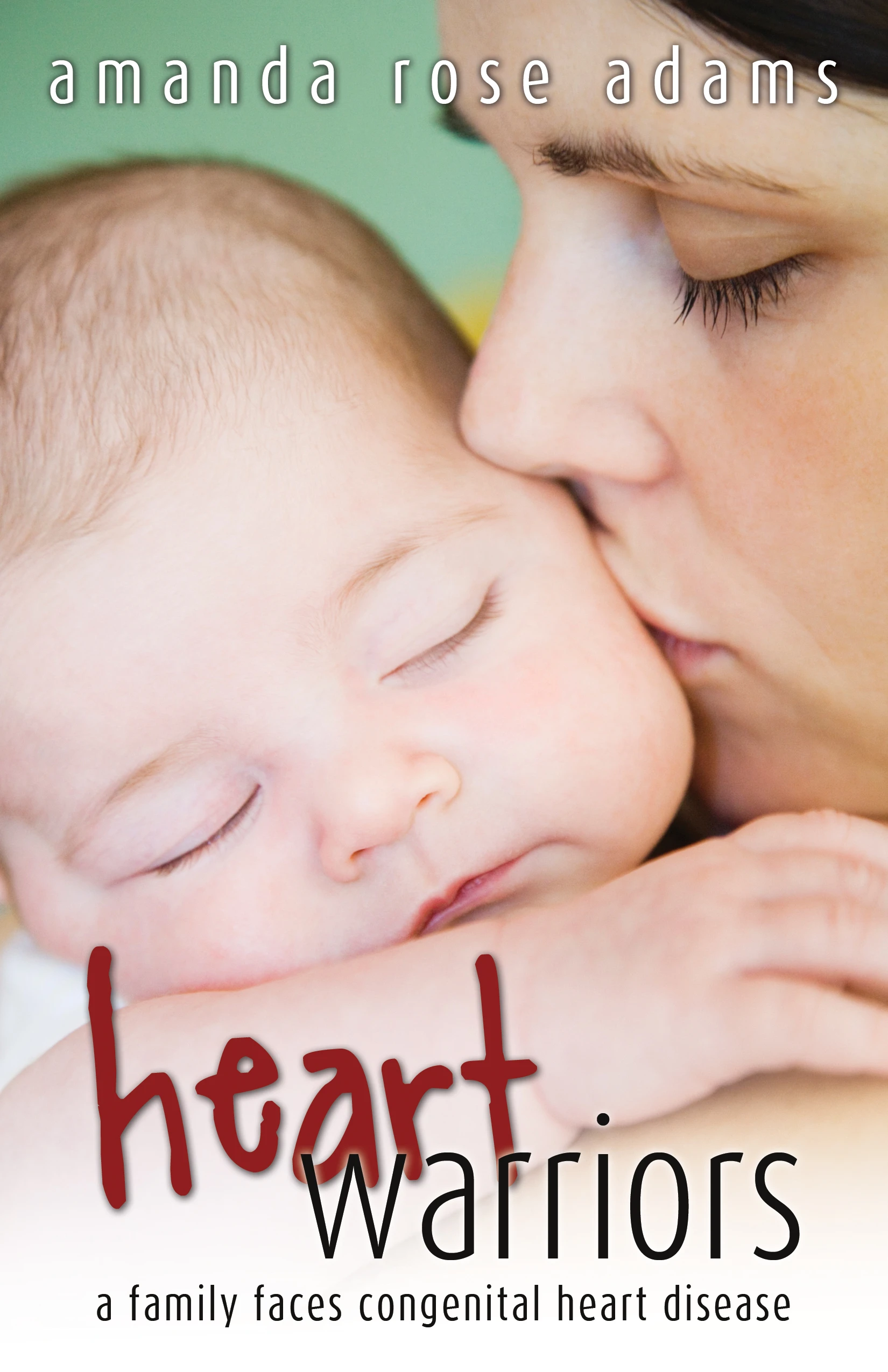
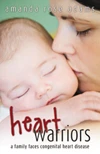
Heart Warriors by Amanda Adams

September 29, 2011


This fabulous book doesn’t come out until April, but the book trailer is heart-wrenching. If anyone can watch this without Kleenex, they have no soul.


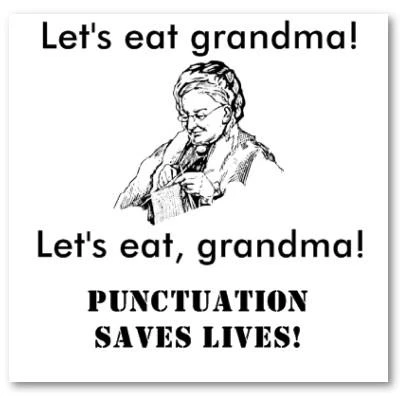
Punctuation is there for a reason

September 29, 2011

I’ve been engaged in any number of discussions regarding punctuation and their use. For instance, take the poor bedgraggled and disrespected exclamation point. God love it, but it gets more than its fair share of abuse because writers use it to take the place of their writing.

For instance:

“Beagle! Get me my margarita! Now!”

vs.

I felt my heart skip one beat…then two. Oh dear God, was I experiencing tequila withdrawl? Would doctors take a sample of my blood and find… blood? I knew my body better than anyone, and I knew that my circulatory system ran on tequila. I had to shout out my demands before I lost consciousness. “Beagle, get me my margarita. STAT.

Ok, so the first sentence actually works, but think about its impact if I used exclamation points almost every other sentence. I once edited a manuscript with over five-hundred of our little pointy friend. What happened is the writer forced the poor exclamation point to do all the heavy lifting of writing. The result was that his writing was quite pedestrian because there was no show. Only tell. Hence, my second example of how you can avoid overusing punctuation while forcing yourself to be a better, clearer writer.

The flip side, of course, is under-use of punctuation. Like the poor comma. I’ve noticed over the years that my dippy/swooshy little friend has been given its walking papers. I’m from the old school, so this aberration doesn’t make me happy because it has created a lot more confusion. Let me re-read this paragraph five more times so I can figure out what the author is trying to say. A dearth of commas is not your friend. And let’s face it, commas are there to make the reading easier and clearer.

I know, the comma has been slimmed down and put on a restrictive diet in order to save money. Newspapers dropped them in order to save on space. Editors who are twelve-years-old also have dropped the comma, possibly due to the fact that the teaching of English has waned over the years. For whatever reason, commas shouldn’t be trifled with. Learn how to use them. And here’s why…


Pity or pitiful?

September 28, 2011

I happened to read a post about an author whose publisher rescinded their contract when they found out she’d done a DIY after signing a contract with them. From what she says, her contract is being canceled and she has to pay back the advance.

She mentions being “coerced” to accept the terms of her contract and intimates that every author is being taken advantage of. However, since she was deeply in debt, she took the deal. And the advance.

I’m not going to debate the issues of who may or may not be right because none of us have the inside story from both sides. However, I would wager that something exists in her contract that spells out the legalities of what she can and can’t do independently from her publisher. Additionally, she made the conscious decision of earning her livelihood from writing – an insanely difficult thing to accomplish since most authors have other day jobs.

Given her reasoning, I’m nonplussed that she dissolved her relationship with her publisher and lost her $20,000 advance. For a debt-ridden author, this has to be a very tough choice, and it’s impossible for me to judge her for her decision. However, I do wonder whether it was a wise choice in the long run.

Sure, I’m a big believer in karma and that the decisions we make set into motion certain outcomes. But are they necessarily successful outcomes? And if I’m going to get into a philosophical debate with myself, then the beagle better add more tequila to the pitcher of margaritas.

More to the point, I read stories like this and think about all those lovely writers I meet at writer’s conferences whose sole purpose is to land a good book deal. Would they be so quick to walk away from that book deal if they were in the same position? Or would they make different choices in order to preserve the relationship in order to enhance their writing futures?

I could go on for days arguing the phycho-blabbery of those points, but we simply don’t have enough margarita mix to keep me going that long. Here’s what I do know: relationships take work and mutual respect.

Attitude/Gratitude

Publishing goes both ways, and smart editors and authors share mutual gratitude to be working together toward a common goal. As such, each side works to maintain open channels of communication. But there are times when those channels break down, and gratitude on both sides melt like the ice in the beagle’s margaritas, leaving room for Attitude to move in.

The downhill slide usually begins with Assumption. One side may act in accordance with their assumptions instead of looking at the potential consequences of those actions.

The author assumed it wasn’t a big deal to DIY e-pub, and I’m sure she never thought it would put her book deal at risk. But for whatever reason, it did, and this is where her gratitude (remember, she was broke and grateful for that $20k advance) dissipated and attitude took over.

This was avoidable.

  • Why didn’t she consult her agent and editor before pubbing her DIY e-book? Case in point, one of my authors was asked to write an article for a magazine, and he asked if he could use a chapter from his upcoming book. Of course, I told him to go for it. Tra-la! It took him a fraction of a second to email me, and a fraction of a second to email him back. Had there been a problem, I would have cited the contract as to why this couldn’t be done.
  • When she saw how upset the editor was, did she weigh the financial and professional benefits of remaining with her Big 6 publisher against going it alone and all the uncertainty that goes with it? Hindsight can be a three-legged dog who’s rethinking the the intelligence of trying outrun a garbage truck. It’s easy to get caught up in the heat of battle, but when the dust settles, are you like the dog, wishing you had your fourth leg back? Once you cross over the line, it’s mighty hard to go back.
  • Did she allow emotion to cloud her judgement? Obviously, I have no idea. However, her post is extremely emotional – which I can understand – and it makes me wonder if that emotion ultimately served her to her highest and best outcome. She has an agent, who is probably less emotional and, therefore, more reliable in negotiating with the editor. Decisions made during emotional overload can be followed by regret that will follow you forever.

Case in point, I had an author many years ago who was verbally abusive to me. I put up with it for awhile until I had enough. I warned him that he’d crossed over the line, but that just encouraged him until he really went off the deep end. I cancelled his book contract within the hour.

When gratitude turns to attitude, you can’t help but reach a stalemate, an impasse. And when push comes to shove, are you in a position of strength, or have you relinquished everything in the heat of the moment? It’s hard to unburn a bridge because trust is the first thing that goes up in flames. The other side knows you have the potential to take things further than they need to go, so they’ll be wary of you.

It’s possible the editor was an idiot and entirely unreasonable, but it’s rare that editors are arbitrary to the point of cancelling a project. I’m not saying it doesn’t happen, but it’s far from the norm. More importantly, this author comes off like she has a chip on her shoulder – that she was “coerced” into her contract.

Until someone sends me an updated memo, I have to go on the assumption this is still a somewhat free country, and we’re not forced to sign any book contract that we don’t believe in. She got $20k for her book, and were I in the financial straights she was/is, I’d find a way to make it work. As of now, she’s working without a net, so is she to be pitied or merely pitiful?

What would you do?


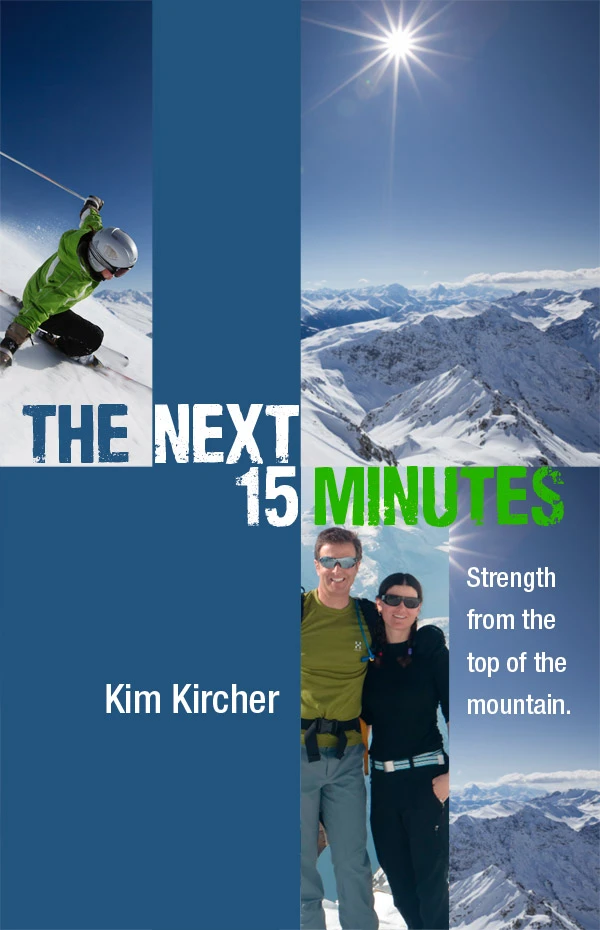
The Next 15 Minutes by Kim Kircher

September 27, 2011

Rarely does a book trailer give me chills, but Kim Kircher’s video does exactly that.

Watch. Read the book. Be thrilled, chilled, and somewhat spilled…


The Dangling Carrot and Character Development

September 26, 2011

Since we specialize memoir/biography, I am regularly humbled by people’s experiences and how they had to dig deep to overcome whatever experiences unexpectedly entered their lives. It’s like the Cosmic Muffin looked down and said, “Ok, see that huge pile of goo I just dumped in your lap? Deal with it.”

We never really know what we’re made of until we face that pile of goo. Some people fold like a bad poker hand, and others rise to the occasion and become better/stronger/more thoughtful people for their experiences. These kinds of people don’t know they have the strength within them until they are tested to the limits. Many of have to gain those abilities along the way in order to overcome or push through their experience. Hardship and challenges are the great separator of the wheat and chaff. I love hearing the “wheat” stories.

I thought about those elements that make for great nonfiction and how they play into the character development of fiction. We all know that characters are the vehicles used to unfold the plot, so it goes to reason that these characters need to be three-dimensional in order to maintain our interest. I read a lot of manuscripts, and the biggest problem I see is with character development. They are flat, colorless things,which makes me think the author doesn’t know their characters well enough.

The Dangling Carrot may be an important feature to helping you give your characters a few extra layers and, therefore, a lot more interest and dimension. I’ve separated The Dangling Carrot into three distinct elements.

The Dangling Carrot – three part symphony

The Dangling Carrot is something waves right in front of your face, but it’s out of your reach. The harder you run to grab it, the more frustrated you become because it’s always just beyond your grasp. The only option left to you is to develop new skills in order to nab that dang carrot. You might have to test out a few ideas before you find the one that helps you achieve your goal.

So here’s how that normally plays out:

1)  Your character’s current life:  When we meet your character, he/she is rolling along with his/her life, la dee da.

2)  Holy shock, Batman!:  While your character is innocently moving through his life, something comes along to test/challenge/frighten/influence him. This event, which is your plot, dangles in front of him and upends his world.

3)  “Do I have what it takes?”:   The carrot forces your character to dig deeply into their souls to obtain/overcome/destroy/resolve the plot. The problem is the character doesn’t have the skills to overcome the obstacles facing him, and this forces him to draw upon a strength they didn’t realize they possessed. The act of denying your character of the skills in which to overcome the plot makes for a much richer story because the character is playing off the plot.

What moves the story along is the character’s journey of growth and maturation to meet this new demand because there are numerous choices the character can make that will influence the outcome.  Your character(s) has to rise to the occasion in order to achieve their goal, or they’ll fail. The lovely byproduct is that the character is changed forever, which is your “riding off into the sunset” moment, be it tragic or happy.

Even Superman has his Kryptonite, so absent the clear view of elements 1, 2, and 3, you create a disconnect that pulls your reader out of the story. I’ve found that if writers adhere to the Dangling Carrot, they are forced to delve more deeply into the psyches of their characters’ backstories. It’s an important consideration because I see far too many stories where I feel the author doesn’t really know their characters, that they sprung to life on page 1…which really isn’t the case.

Our characters have a backstory just like we do. They have baggage, fears, and Kryptonite. Your job is to have that clearly defined in your mind when you start to develop your characters. Otherwise, they could be lifeless gobs of goo that I don’t care about…the characters, that is, not the authors!

If you consider the three elements of the Dangling Carrot when you’re creating your characters and the structure of your story, it might be the difference of a ho-hum story to a “Stop the margaritas, beagle, I gotta have that story!”


A crash course in book events

September 21, 2011

I’m taking a quick break to share some important info about author events. There is a lot that goes on behind the scenes when prepping for an author event, so I thought I’d lift the metaphorical skirts in order to allow you a peak to see what’s underneath.

Books, Books, Who’s Got Da Books?

If your publisher has scheduled signing events for you, it is their responsibility to ensure the bookstore has books ordered. If YOU, the author, are scheduling your own events, then it’s YOUR RESPONSIBILITY to make sure the venue has the books. We’ve all heard the horror stories about authors arriving to a signing only to discover the bookstore didn’t order the books.

Yes, colossal brainfart.

If you want to have a stress-free event, call the store two weeks before your event and make sure all is well. Call again a week before the event to confirm. I’ve known bookstores to actually forget about a signing and not be set up for the author.

Yes, colossal brainfart.

I will reiterate:  doing the follow up on your books is your responsibility – not your publisher’s. They will have no clue of your schedule. Even if you send them your updated schedule, they don’t have it taped to their monitors, waiting with baited breath for your every event. They are dealing with the national distribution, promotion, and marketing of your book. Your personal events are just that – personal. It’s the same as if you’d hired a caterer for your next party. You would confirm they’ve ordered the food and will show up the day of your party.

A Word Regarding Bookstores

Many times authors will do special events and have bookstores come in to host the sales. It’s an efficient way to ensure that you can sashay about being charming and brilliant while they handle the mundane process of handing sales. The upside to this is that it goes toward your royalties. Another upside is they can handle credit card sales, and I’ve noticed more people buy multiple copies of books when they can use their credit cards. Booya!

Now, that said, you need to be mindful about which store you ask to host your event. Is this going to be a huge event with 300 people, or a casual affair of 30-50?  It’s an important consideration because stores need to order the books, and depending on how many they need, Ingram or Baker & Taylor may not have sufficient quantities in their warehouse. The next logical step is to contact the publisher or their distributor. That information is listed in every single database, so there’s NO EXCUSE for any bookstore to say, “Sorry, but I couldn’t find your publisher’s information.” That’s goober-talk for “I’m too lazy to be concerned.”

Case in point:  We had an author whose event was at a library. I told the bookstore who was handling the event that the expected turnout was around 150 people and to order accordingly. I didn’t do my follow up and nearly stroked out when we had an audience of 200 and a total of 35 books. Thankfully, the location was near us, so I called hubby to bring down enough books to fulfill demand. Then I lit into the bookstore like a wet hen jinxed up on bad crack.

They shrugged their shoulders, apologized, and blamed it on a “clerical error,” which is goober talk for “We effed up and we really don’t care that we effed up. Bandini happens, deal with it.”

Yes, colossal brainfart…on both our parts because I didn’t follow up.

Then there are other kinds of stores like used bookstores, who rarely have credit accounts with established distributors like Consortium/Perseus, IPG, IPS. This means that if they are the ones who are the bookstore for your event, they have to pay for your books up front…something they’re highly unlikely to do. And what happens is they don’t normally communicate with the author about this problem. Instead, they’ll blame the publisher or their distributor, which then puts you unfairly at odds with your publisher.

Here Is Da Truth

If your book is just pubbed, chances are your title is in all the distribution warehouses in sufficient quantities, so anyone – including that used bookstore – can obtain your book without a problem.

HOWEVER…

If your book has been out, say for a year, then chances are that demand has dwindled and those distribution warehouses won’t have very large stock on their shelves because it’s all based on demand. Warehouses like to keep stock to a minimum because they know they can get books within a day if there’s a sudden huge demand.

Case in point:  A friend of mine was doing a special event and they wanted to showcase her book, which had been out for about a year. The bookstore handling the event was a small used bookstore, and they had no credit accounts with her publisher, which meant the store had to pay for her books up front – something they were unwilling to do.

So their Hail Mary decision was to try to buy books from Amazon…which is insane because you can only order 5 books at a time because Amazon doesn’t want to be used as a warehouse distributor. Then they tried Ingram and B&T, who didn’t have her book in stock in very large quantities because demand had dwindled. Their next move was to beg for some from B&N, who coughed up a few copies.

The end result:

  • They blamed the publisher.
  • They claimed Amazon had no copies of her book – which was patently false because I had just ordered it from them.
  • They claimed the publisher’s distributor was forcing them to pay a set-up fee in order to business with them. Again, this is false. What this store was really saying was that the distributor needed the store to pay for the stock up front since they didn’t have an account with them.
  • The store never relayed any of this information until two days before the event.
  • My friend had a scant 35 books for a crowd of 200.

Who’s fault is it? The author…my friend. She didn’t do any follow up on her book, and she suffered the consequences. If you care about your event, then you have to make sure you’re covered.

The very same thing happened to me, if you can believe it. I was speaking at a writers’ conference and wanted to make sure our Get It Write series were there. I gave the bookstore all the ISBNs and forgot about it. When I got to the con, I noticed that the other books were there, but Tackle Box was MIA. It boiled down to the fact that Ingram didn’t have sufficient quantities, and they didn’t take the next step to order from our distributor. I was not a happy camper. And they’ve never blown it since because I make sure to follow up.

Communication

I can’t say this enough. You need to keep the lines of communication open between those who are hosting your event and ordering your books. You should also communicate with your editor. Let her know that you have a special event coming up and want to find out what to tell the store who’s ordering your books. She should tell you something like, “The store can first check Ingram, etc., or they can call our distributor…” and include the contact info.

I will say that most times, none of this will ever be an issue. However, there are those times when things don’t go as planned. The more you are in contact with those who can make or break your event, the fewer surprises you’ll have when you arrive at your event.

So the long and short of this is:

  • Know whom you are dealing with. If it’s a small indie bookstore or a used bookstore, chances are they don’t have a credit relationship with any distributors other than Ingram and B&T.
  • Plan ahead
  • Realize that it’s your responsibility to ensure books arrive at your venue.
  • Communicate with your publisher if it’s for a special event and lots of books are needed.
  • Follow up
  • Follow up again

There is nothing more heartbreaking than an audience of 200 and a stock of 35 books. Avoid this!


Busy Week

September 19, 2011

I’ll be rather invisible this week because I have lots going on. The Southern California Writer’s Conference is next weekend (I hope to see you there!), and I have advance submissions to read and crit, six Behler submissions to read, AND the beagle has me working on her I Can Haz Purse because she’ll be selling a bunch of them at the conference this coming weekend. Well…she won’t because the hotel doesn’t have a designer dog run for spoiled beagles, so we will pick up the slack for her. In return, she’s promised lots of margaritas.

I have so much I want to talk about in the writerly world, but it’ll have to wait until after the weekend. Have a great week, everyone, and write like the wind!


Why I have the coolest job in the world

September 16, 2011

I love my authors. A lot. A whole lot. They’ve done and experienced things I can only dream about – or be grateful that I didn’t experience. As a sociology graduate from the early Jurassic Era, I get caught up in people’s stories and how they’re influenced by their experiences. I’m also a huge believer in karma – that what you put out sets a cosmic response into motion.

As such, our authors have some amazing stories to tell. Our three new releases make my heart skip a beat.

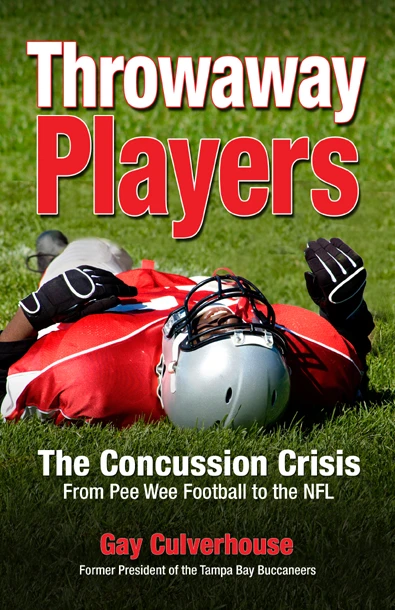
Throwaway Players: The Concussion Crisis From Pee Wee Football to the NFL
Gay Culverhouse is the former president of the Tampa Bay Buccaneers. She also has her doctorate from Columbia in special education, which means she has all the background for her new career of talking about the dangers of concussions.

Since Gay spent many years in football, she draws upon her experiences with football players – many who were good friends – and tells of how their many concussions deteriorated their brains to the point wherel a number of them died.

It’s a heartbreaking story, but Gay took her experiences and is now providing help to retired players, where none existed before. She’s also helping educate parents of kids playing sports because too many kids lives have been ruined from concussions as well. Gay is my hero. Read her book – you won’t be disappointed.

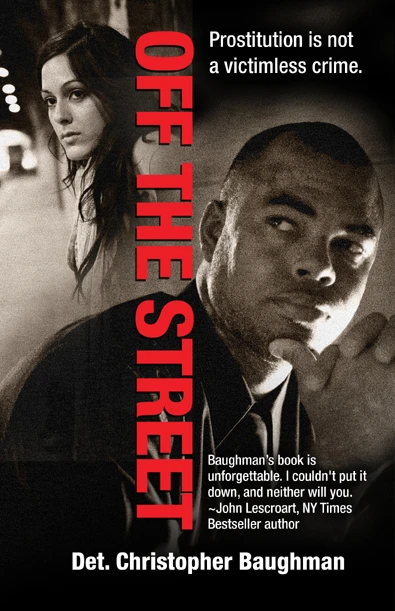
Off the Street

I just read a wonderful article in Las Vegas Weekly about our author, Chris Baughman, that pretty much sums up how his experiences altered his life and those who fall within his circle of light. I know, that sounds cheesy, but Chris is a ray of light for those women he saves from being beaten, or worse, taken out to the desert and killed.

Human trafficking doesn’t happen to “bad girls,” and this was something I didn’t realize. During editing, Chris told me about a veterinarian who got caught up in this ugly world. Imagine! A highly educated woman falling prey to a pimp’s lies. Of course, she had no idea he was a pimp until it was too late. That’s how slick these pimps are. And this happens just as easily to the “girl next door.”

This is a powerful book that details Chris’ hunt and destruction of a pimp making a million dollars a year…off of his women. It’s a story that had me punching the air and whooping like a moron.

The thing I love about Chris is his passion. He details in his book about being a kid at his best friend’s house and seeing the friend’s mother beaten severely by her ex-pimp. See, you can’t leave this life until your pimp says you can. Chris talks of his frustration about not being able to protect his friend’s mother. It’s a blinding image that stayed with me – and what fuels Chris to protect all women.

Chris is my hero. Read his book – you won’t be disappointed.

The Next 15 Minutes: Strength From the Top of the Mountain

I love to tell the story that there were three of us fighting over Kim Kircher at the Pacific Northwest Writer’s Conference, and I won. I get all goofy silly when I think of the editor at St. Martin’s looking over my schedule and pointing at Kim’s name, saying, “You’ll love her. I’d love this in my lineup.” I didn’t think anything about it until Kim walked in with five other writers. It was one of those deals where six authors sit at an editor’s table and pitch their book.

From the minute she opened her mouth, I was hooked. Not only is she gorgeous, all ten feet of her, but she’s a fantastic writer who tells a compelling story about having this amazing life with her husband running Crystal Mountain in Washington. He ran the joint while she tossed bombs out of helicopters, screaming, “Bombs away!” When she wasn’t saving injured skiers, she and her adorable husband, John, were off having adventures that exhaust me just reading about them.

Then tragedy struck when John was diagnosed with bile duct cancer. He was given a year to live if he didn’t receive a liver transplant. For Kim, whose world is about saving lives and dealing with emergencies fifteen minutes at a time, this ordeal seemed overwhelming…until she grabbed the lessons she’d learned on the mountain. The mountain had taught her that if she broke up her fears in fifteen-minute intervals, that nothing couldn’t be overcome.

It’s a fantastic theme that resonates throughout her book. Kim’s story had me reliving my own youth of shooting through narrow ski runs with my hair on fire…ahhh, good times. But what stuck with me is Kim’s theme of grabbing for strength wherever you can. There is a very cool article about Kim in Mountain Magazine, and this one thing Kim said really stuck with me. She said, “Our adventures are like dress rehearsals for real life challenges.”

True that!

We’re all faced with fear and uncertainty, but what a marvelous gift we have at being able to draw upon aspects of our lives to get us over the hump. Fifteen minutes at a time. Because Kim could draw upon her experiences, she was elevated to a position of strength and hope for John. What a beautiful love story as well as an affirmation of digging deep in our soul to find out exactly what we’re made of. Kim is my hero. Read her book – you won’t be disappointed.
So there you have it. This is just part of the reason why I have the coolest job in the world. I have the honor of dipping my brain into the lives of people who have done and seen amazing things, and share those incredible journeys with readers who will never feel the same after reading one of our books.


Are you suffering from Trend bandwagon-itis?

September 15, 2011

“Have you heard? DaVinci Code sold millions of books!”

“Have you heard? Vampire romance is totally in, baby!”

And so you set about writing these sub-genres, hoping to cash in on the feeding frenzy because publishers can’t get enough of it. Write, write, write, sell, sell, sell. It’s an exciting time until the bottom falls out and those hot topics grow as cold as the beagle’s margaritas. You jumped on the bandwagon and either rode it to great success, or you jumped on too late and are stuck with a series you can’t sell to the mailman.

Or you sold your book, and it went OP in a year or two. Ouch.

Welcome to the disease called Trend Bandwagon-itis. You loved the genre and hoped to make your mark – only no one is buying what you’re writing, so you’re left wondering what’s the next Big Thing. What’s going to be hot next year? Two years from now?

Ben LeRoy wrote a cool post about trends over at Dead Guy on this very issue. Ben eloquently states, “I have no idea.”

And he’s right. Not even Karnak the Great can divine what the next hot thing will be. Did anyone see DaVince Code coming? No? How ’bout Twilight? Harry Potter? Yet here they are, and many writers have jumped on the bandwagon with the hope they can make their own mark on the literary world.

The problem is timing. DaVinci Code came and went, making way for the next hot genre. To whit, I’ve been hearing agents and editors lament that they’ll stick their eyes with hot pokers if they see another vampire romance. They mirror my feelings when I see certain topics cross my desk.

My world of nonfiction is somewhat more stable, but we suffer from Trend Bandwagon-itis as well. A book hits the bookstores and authors jump on the bandwagon with their books about the economy, immigration, or the war(s). I’m not saying these aren’t valid topics, but those books won’t be as relevant in a few years because they’re dated with current information.

Our world of nonfiction plays host to a whole stable of topics – cancer, addiction, heart disease, midlife crisis, divorce, mental disease, sports, medicine, politics, celebrity exposés…I could go on forever. And I can tell time around what’s happening in the media how and how quickly I’ll see a bevy of manuscripts dealing with those very issues.

Many are cashing in on those Trend Bandwagon-itis books, which is perfectly fine, but I’d be remiss if I didn’t mention how I question the quality of the writing more than once.

More importantly, will those books withstand the test of a few years? How quickly will those books (and the authors) fade into the backlist? That’s not a game I want to play, and I’m very happy to let others do it.

I’m in it for the long haul, meaning I want books that are valid now and twenty years from now. This not only keeps us viable, but it keeps our authors viable as well. I want a book that screams passion – that the author not only lived this experience, but the story is bursting from the depths of their soul. That’s what makes words leap off the page and worm their way into a reader’s heart and mind.

Building a literary career isn’t an unimportant consideration, and writers are smart to appreciate that what they write today will influence how successful they’ll be tomorrow. Will you be deemed passé if you write about young wizards going to magic school or a cancer story? If you love an impacted genre, then write it because your heart is burning to do so. Who am I to tell you otherwise? That said, you can be count me out as one who will entertain a Trend Bandwagon-itis story.

I believe in my authors’ books and advocate their place among the bookshelves because they focus on issues in a way that few others have considered and will always be a current issue.

When thinking about your writing career, consider whether you want to be part of a McDonald’s Happy Meal, or a meal that makes the headlines in newspapers and magazines because of its unique and distinct flavor.


Follow

Get every new post delivered to your Inbox.

Join 963 other followers

Powered by WordPress.com