Good ideas and great intentions ain’t enough

July 30, 2010

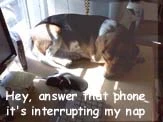
The setting: Overworked and Underpaid Editor is toiling over a manuscript while the beagle lazes in the sunspot that’s shining on Underpaid’s desk. The phone rings.

Overworked and Underpaid Editor: Answer that, willya?

Beagle: Bite me. I’m working on my beagle tan.

Overworked and Underpaid Editor: (swearing under her breath as she reaches for the phone) Why bother, it only brings out more of your freckles. (speaking into the phone) Hullo, this is the land of the oppressed and overtoiled, how may I help you? (listens, then hands the phone over to the beagle) It’s for you. And how many times have I told you not to use the office phone? Use your cellphone, dammit.

Beagle: If I’m gonna use my cellie, then you need to trim my nails. Last night I accidentally dialed the Hot Dachshunds Talk Dirty line. Ever heard a dachshund talk dirty? All they know is the the Oscar Meyer wiener song. (talks into the phone) Beagle here, how may I help you? (the beagle gets excited and jumps off Overworked’s desk.) Yipeee!!!

Overworked and Underpaid Editor: What? Did the Fireman’s Fund send you your Sexy Dalmations calendar?

Beagle: Better than that. I’m taking submissions for my fellow canines to send me recipes for designer chewie bones. So far I have my own – the margarita flavored chewie bone and that hot Rotweiler down the street’s recipe for Frightened Postal Worker chewie bones. And last week, I got the recipe for Gardner In Full Retreat and a tasty recipe that contains nacho cheese and freshly caught rat. De-lish!

Overworked and Underpaid Editor: (considers the possibility that the beagle has finally gone ’round the bend) Um. What are you planning on doing with these designer doggie chewies?

Beagle: Oh, I’m going to sell them and make a fortune. That way I can blow this popscicle stand and follow my bliss and gather up independent wealth. And you, dear Ms. Overpaid and Underworked Editor, can answer your own damn phones.

Overworked and Underpaid Editor: (gritting teeth) That’s overWORKED and underPAID, you rancid fleabag. So, how are you going to distribute and promote these doggie chewies?

Beagle: Eh? Whazzat? Distribution? Promotion? Whaddya mean?

Overworked and Underpaid Editor: I mean, how are you going to get your chewies to market? You’ve collected all these chewie bones, and you need to show them to grocery stores, pet stores, national chains, and the like. So far, all you have is a groovy idea and no way to get them in front of buyers. And you need to consider why they would they buy your chewies if you have no promotion plans. You gotta take out ad space or talk to your fellow fleabags about your chewies in order to create interest. Otherwise you’ll end up with a warehouse full of designer chewies and no demand. Or worse, you’ll get them on the store shelves, but they’ll come back to you because no one knows they exist. Think how totally suck-o-licious it would be to be you – broke and out of business.

Beagle: (growing paler by the second) Oh holy Kibbles ‘n Bits, I’d…I’d…I’d have to come back and live with you.

Overworked and Underpaid Editor: (enjoying the moment) Exactamundo.

Beagle: (choking back a sob) So it’s not enough to have a good idea or great intentions?

Overworked and Underpaid Editor: That is your fuel – the tequila to your margarita, the jam in your jelly doughnut, the cream in your Twinkie. But no, intention and ideas are not enough to make it in this tough world. Being prepared, knowing what the hell you’re doing, and making the right connections to make those dreams into realities are what you need. And that takes money. Lots of it. But…you gotta know how to spend it, and what to spend it on. ‘Tis better to be rich and smart than rich and dumb because the dummy will soon be broke.

And that, gentle authors and authorettes, is what publishers must do as well. It’s not enough to have an infusion of cash if you don’t know how to spend it wisely. We’ve already seen how that ends up, yes? And the reason for this post is that I continue to see this a lot.

And you don’t hook up with someone who has little idea whether the product they bought (your book) is marketable or unworkable – and how they plan on selling it.This takes experience. One does not go into this business with little experience and expect to hang out their shingle and call themselves a publisher, and expect instant success.

And you certainly don’t allow anyone the first print rights on your book unless you KNOW they have proper distribution. I’ve said it a million times, and I’ll say it again: INGRAM AND BAKER & TAYLOR IS NOT THE SAME THING. These are distribution warehouses for libraries and bookstores to order from. They do not have sales people pushing your catalog to the genre buyers of the chains, indie bookstores, and libraries. That is what an indie distributor does.

If your publisher doesn’t have a relationship with an indie distributor or is tied in with another publisher for distribution, your books are going about as far as the beagle’s designer chewies…though I have to admit that the margarita chew has real potential.

And so do you. Choose wisely. Ask questions. Be careful.

Platform – to have or have not?

July 29, 2010

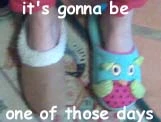
Melissa asked a good question on a previous post that I felt needed a revisit. It’s about platforms. No, not those goofy shoes that the beagle insists makes her legs look longer, but author platforms:

One of things I heard at the conference was the importance of a platform/established audience, even for fiction. When I mentioned that on a writers’ forum after the conference, they said I was nuts. :-) I realize you do little fiction, but what’s your opinion?

Opinions on the need for a platform vary depending on who you talk to. Unless the writers forum is made up of agents and editors, their advice may be ill-informed. I’ve even heard established writers poo-poo the platform notion. Easy words for the already-established. But for the debut author who lacks an established readership, the reality train is more likely to slap them upside the head.

Agents and editors agree that a bigger footprint sells books. Plain and simple. Publishing has changed over the years. With the plethora of books from vanity presses and POD presses, authors are finding it harder for their particular cream to rise to the top. That’s why agents and editors have gotten so choosy over the years.

In this media-driven society, the obscure writer has a harder time getting noticed.   Hello, Mr. Platform.

Nonfiction

It’s common knowledge that nonfiction authors really need to have a platform because it’s what makes readers decide that your book is worthy. If, for example, you write about bipolar disorder or divorce, you need to be an informed source. An expert. It’s important that to convince potential readers that you are the best person to have written the book because the first thing that enters their mind is, “why should I believe you?”

Your platform speaks volumes.

If you sit at home collecting chocolate bar wrappers and get the bright idea to write about the mating cycle of yaks on crack, agents and editors won’t take you  seriously because we know you’re not an expert. You aren’t a reliable source, and we know readers editors will run in the opposite direction.

Fiction

It’s hard to have a platform for a novel because, well, it’s a made-up world. How does one create a platform when one writes romance or SF – and one is a debut author without an established readership? It’s great to get the book on the shelf, but it’s gotta sell or they come right on back to the publisher. And that fact is across the board – from the big guys to the little spuds.

This is where the smart author considers how to create a bigger footprint, via their platform. I covered this is a post I wrote a while ago – two surfer dudes.

Life is easier for those who write what they know – the detective who write cop books, the doc who write medical fiction, etc. – because their platforms make their stories unimpeachable because they wrote what they know. They are an expert – just like the nonfiction writer.

Regardless of what you write, look at it this way; if I have two books I love and one author has a great platform and the other doesn’t, whom do you think I’m going to offer a contract to?

This is no longer a world of recluse authors. Publishing has evolved into a world where we’re selling not only the book, but the author as well. “What is the author’s platform,  what are they doing to promote the book?” are the first questions genre buyers ask. You can either stick your fingers  in your ears and scream, “lalalalala” or you can embrace the realities of publishing and make yourself a bigger target.

And really,  is there anything sweeter than an author with a big fat bull’s eye painted on their forehead?


PNWA conference

July 27, 2010

I feel like I’m having one of those “What did you do during summer vacation?” moments – only it’s over a weekend, not three months. I know I blather on about writing cons after returning from one because it’s a constant reinforcement of how vital these things are.

My weekend in Seattle proved no different, except that my Wow index has just blown through the top. The Pacific North West Writers Association puts on one of the most amazing cons I’ve ever been to – and I’ve been to a lot. Never have I seen a more talented and prepared bunch of authors as I did at this conference. And believe me, I asked a bunch of very funky questions.

“How would you promote this book?”
“Why did you write this particular book?”
“What makes you the best person to have written this story?”
“Have you thought about turning that into nonfiction? And if not, why?”

…And on and on. And these savvy writers had the answers. Le wow.

This was one of the most intense cons I’ve ever worked as well, but the mix of authors, editors, and agents was absolutely delightful, and many of us sat together outside in the courtyard, late into the night, tossing back glasses of wine and laughing far too hard.

I say it every time, and this is no exception:

THIS IS THE ONLY TIME AGENTS AND EDITORS ARE THIS ACCESSIBLE. TAKE FULL ADVANTAGE.

You can ask us anything and everything – at any time. Well, ok, bathrooms are off limits. But if we’re rushing to an appointment, you can walk with us and pitch. Or just yik yack.

Some things that I think all authors should have on them are a business card, your first three chappies, a one page synopsis. I’m not saying we’ll necessarily ask for all of those, but I asked many authors for their cards. A couple I asked for pages right then and there. I asked for full manuscripts from five authors as well. This is very unusual to have that many requests. But they are that good.

And one particular author is so in my gunsights that I’m taking her full with me while I make another escape to the desert. I’m telling myself I deserve this bit of vacation (again) because I’m exhausted from being charming for three full days.

The point of this is to point out how vital conferences are. No, they aren’t free, but can one really put a price on networking and a possible contract offer? Or a valuable education from an agent or editor who offers feedback on their pitch or their story?

My brilliant and talented author, Adam Eisenberg, (A Different Shade of Blue) – who lives in Seattle and took me on a lovely tour of the city – quoted something that Mark  Sideman told him:

“When you are telling a story you are casting a spell, letting people come and play with you in the world you have created.”

- Mark Sideman

And you know what? That is exactly what these brave authors did this past weekend, and I was absolutely charmed and humbled at the collection of talent.

Face it: Authors rock it.


Bestseller list bliss

July 22, 2010

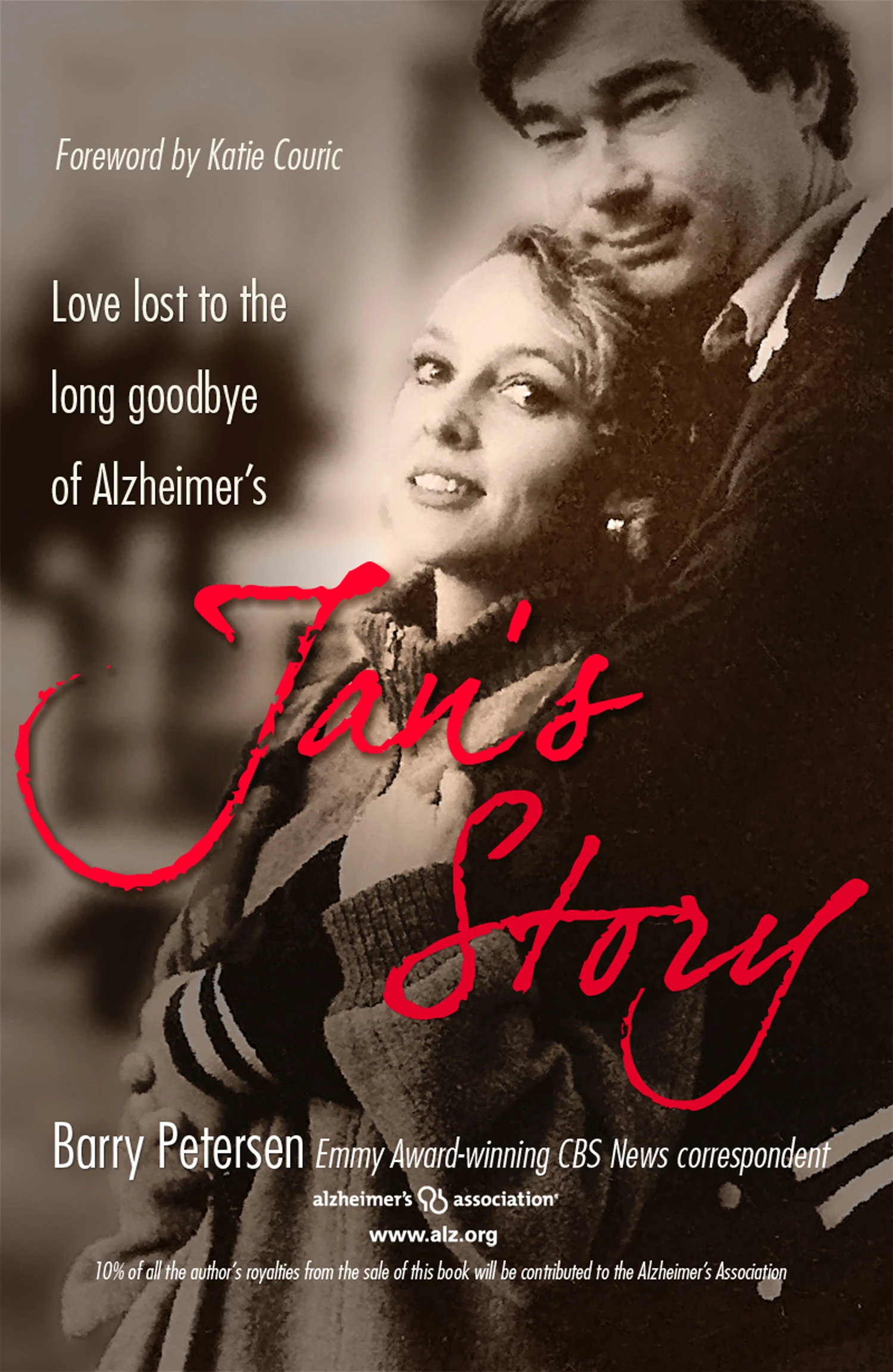
Hurray hurrah! Jan’s Story just made the Denver Post bestseller list! Congrats, Barry

Crikey it’s cold in Seattle.


Buh bye

July 21, 2010

I’m off to Seattle for the PNWA conference. If you’re going, please trip me (preferably near the bar) and say hello – then buy me a drink. Kidding, kidding. About the drink. Do come to say hello.

If you’re not going, tidy up after reading the blog, and don’t mess up the place. The beagle will be watching.


A Must Read

July 21, 2010

It’s a fact that Alzheimer’s touches the lives of millions. But many people aren’t aware of Early Onset Alzheimer’s, which afflicts people in their 30s, 40s, and 50s…when they and their loved ones are still in the prime of life – amy even have small children. This is a cruel disease, and I remember weeping my way through Barry’s book as he and I went through the editing process. I still can’t read the last page without tearing up.

If you want to learn more about Barry, his fabulous book, and the inner workings of this demon Early Onset Alzheimer’s, I recommend watching this wonderful interview that Barry gave on the morning show New Day in Seattle. It will open your eyes to this lovely man placed in a terrible position, and give you keen insight as to this terrible disease.

Go. Read. Learn. And don’t forget the Kleenex.


The Basics

July 20, 2010

I feel a bit stupid doing a post on this because this info is virtually everywhere on the internet. But given the lackluster readings I’ve seen this summer, it makes me think writers have forgotten the basics of how to build a story – the plot – which includes all these goodies that you see in the picture.

It really doesn’t matter what you’re writing, fiction or nonfiction, the basic elements still apply. These are the Charles Darwin Moments I wrote about in my last post.

Exposition – intro stuff

The beginning of your story is vital to me – and to you! – because this is the hot zone for Rejection City. If I don’t get enough lead-in to your story – meaning a clear grasp of your characters and the setting – then I can’t possibly become engrossed in your story.

I’ve been seeing a lack of both this summer. The characters are dry, lifeless things that lay flat on the page – much like my attempts at baking. your characters are the vehicles that move the story along. If I don’t care about them, I certainly won’t care about the story.

The same can be said for settings. It’s not enough to say the story takes place in San Francisco. Where in SF? Use all five senses to set the scene. What is the weather like – besides foggy, that is? What smells are in the air? What does the character see? What sounds does he hear?

Imagine you’re walking with someone who’s blind. You have to describe everything around you in order to help that blind person “see” their surroundings. Well, your readers are also blind, so help them see.

Rising Action – we gotta go somewhere, right?

So you have the preliminaries over, and the story has to go somewhere. This is, oddly enough, where many manuscripts fall apart. You spent your first three chapters introducing the characters and setting the scene – it’s the busy work, and now it needs to take a specific direction. It’s the  “what’s next?” phase – which is usually Chapter 4.

This is where you have to commit to your story and build the foundations for the big Ta-Da, and this is where I see many stories flounder. Writers almost always have a clear vision of the big Ta-Da Moments because that’s more than likely the reason they’re writing the book.”Hey, I’ll write a book about how a small, freckled beagle takes over a publishing company!” The writer is keenly focused on the beagle achieving her intent and doesn’t really consider how to get her there.

That is the rising action.

This is where the conflict resides. For example, maybe the beagle’s attempts of her planned takeover are continually thwarted by a cagey editor who’s on to the evil plot, so the beagle decides to discredit the cagey editor by screwing up a manuscript right before it goes to print. But what if the publishing company is also discredited? Then the beagle would be Queen Bee of nothing. Should she resort to character assassination instead?

As you can see, there are different roads the beagle can take to achieve her ultimate goal – and each of them have their own set of consequences. Conflict.

But many manuscripts this summer are missing that logical sequence of events that create conflict. Instead, I’ve been seeing big dreks of backstory and fluff that derail the movement of the story. Note: you cannot build a foundation on backstory and fluff. This is why planning your story out is vital. Build up – don’t fall backwards with backstory.

Climax – exactly what you think it is

Here is your Ta-Da Moment. It’s the culmination of your Rising Action – your Darwin Moments – your sequence of building events. It’s working all day long for that T-giving dinner and sitting down to eat it.  I’ve been underwhelmed this summer. There have been stories that had lots of great build-up only to come to a crash with an unfulfilling climax. The climax – the big Ta-Da – needs to be proportional to your Rising Action. It’s a balancing act that comes with experience.

Falling Action – the “whew” moment

This is where the the reader sees the results of the climax – i.e. the beagle has managed to disgrace that rotten, mean editor without hurting the publishing company, thus enabling her to take it over. The Falling Action – the “whew” moment – is showing what comes next for the beagle now that the company is hers. What policies will she implement now that she holds the bloody red pen.

I’ve read too many manuscripts that omit this important step. They have the Ta-Da climax, then jump to the “and everyone lived happily ever after.” This leaves me screeching, “hey, waitaminute…what happened to the characters? How are they impacted because of what happened in the climax?” As far as I’m concerned, a lousy Falling Action diminishes the Climax and leaves me with a “so what?” feeling.

Denouement – “and they all rode off into the sunset”

This is the calming effect. You’ve had your Climax (why does that sound dirty?), you’ve had your Falling Action, now it’s time for the dust to settle. Your characters are obviously changed or impacted because of the Climax, so the denouement is used to show what those changes are before riding off into the sunset.

As with the rest of the story, the “riding off into the sunset” moments need to make sense and be satisfactory. With our T-giving dinner example, the denouement is turning on the TV and watching old home movies while everyone is sucking on antacids.

As for the beagle example, there will be no riding off into that thar sunset. That cranky editor returns and poisons the beagle with tainted tequila in order to exact her revenge – thus inviting a sequel…

ETA: As Nicola Morgan [aka Shoes], my dear across-the-pond-co-conspirator in all things literary and mayhem, sagely points out – the illustration at the top is out of whack. The Climax should come much later than as depicted above.


The Charles Darwin Moment vs. The Ta-da Moment

July 19, 2010

I have a list of poignant blog posts that I regularly read because they offer insightful info. In going over my list today, I came across one written by The Intern.  Once again, she analyzes the very elements that either make me reach for a contract or a rejection letter. In her post, Intern talks about how main characters eventually experience some sort of triumph or catharsis – what I call The Ta-Da Moment.

They reach that moment of triumph/resolution/catharsis via the buildup – which, in Lynnspeak, is the Charles Darwin Momentthe process by which stories evolve from Point A to Point B.

I mean, how boring is it to read about characters who do nothing, learn nothing, never change, and meet some inglorious, unfulfilling conclusion? Yawn. I watch the beagle do this on a daily basis and it’s hardly riveting stuff.

The “Ta-Da” moment and Charles Darwin moments be mates

I won’t care about a book if the Charles Darwin moments are dull – and I’m betting readers are with me on this one. I look for characters to overcome some fairly big obstacles or  cliff-hangy moments. That’s what hooks me. It’s also what makes me care about the “Ta-Da” moment. I look at your ta-da moment as being the proportional result of your buildup. The bigger the Darwin Moments [your lead up], the bigger and more satisfying the Ta-Da – provided you have a good Ta-Da.

Let’s use the example Ms. Main Character who, at 45, works as a data entry clerk for a banana company and still lives with her mother. She decides to chuck it all and move to Spain to take up bull fighting.

Let’s say, for the sake of clarity, that moving to Spain to take up bull fighting is the Ta-Da. Making us care about the Ta-Da depends on how Ms. MC’s evolutionary process – The Darwin Moments – are written. If we aren’t hooked into her buildup, then we won’t care if she moves to Mars and takes up racketball.

Intern wrote that the most satisfying Ta-Da moments happen when the Charles Darwin Moments focus on some fairly big issues – like any one of the following:

-a character had to sacrifice something
-a character had to make a high-stakes choice or moral decision
-a character has tried several other options and failed
-a character has suffered a hard loss or injury over the course of struggling towards a particular goal
-a character has, indeed, been struggling in some way, not floating along easily.
-a character has been forced to change significantly
-a character has undergone real trials and conflicts pertaining to the goal

See? The bigger the lead in, the bigger bang for your buck.

It’s all about the timing, baby

If you let your big Ta-Da moment out of the bag too early in the book, then what’s left? Your book is a journey, a buildup that ends with the pivotal triumph. Anything that comes after tends to be incidental. It’s a lot like cooking Thanksgiving dinner. You spend all day long chopping, drinking, cutting, slicing, dicing, drinking, cooking, basting, drinking, smelling the aroma of hot buttered bird and dressing. Eating the dinner is your triumph -  your Ta-Da.

If you eat the dinner too quickly, then all you have left to write about is a few well-placed burps and a date with your favorite antacid.  You let the cat out of the bag too early.

Improving Your Query

To wit, this summer’s queries have been, for the most part, very disappointing because they are missing all the key elements that help me determine whether I want to see pages or not – ie. the Charles Darwin Moments. It’s not enough to tell me your Ta-Da, as in “after Mary Sue’s divorce, she overcomes her overindulgence of Twinkies and margaritas and finds happiness in her indpendence.” What are the events that lead up to this? As written, this is a very mundane, overused plot, and the only thing that will slap me upside the head are the Charles Darwin Moments – the events that lead up to the Ta-Da.

I think the quality of query letters would improve if writers remember one simple thing:

the Charles Darwin Moment is the process by which stories evolve from Point A to Point B that lead your MC to the Ta-Da.

Anything else is akin to the beagle stretched out on my desk sipping a frosty margie.


Vanity reviews

July 15, 2010

Le sigh. I just received an email congratulating me on the fact one of our titles was “approved for review.” Grand! methinks. And then I read on.

Oh. Buzzkill.

It seems that our title wasn’t “good  enough” for their magazine, but I can pay for the “honor” of having our title reviewed. $99 to be exact.

To justify this fee, I’m told about the limited space in the magazine [like I don't know this is the same situation that afflicts all review magazines?] vs. unlimited room online and how mahvelous this online review site is, but…they need the money to cover the cost of writing and posting the review. Oh, they assure me that they still maintain their high standards and that only “the best books” are chosen for review, and this is just the cost of doing business.

But wait, if I pay the fee and the reviewer declines to review the book – they’ll return my money. If that’s  the case, I have to wonder what determinates they employ for reviewing a book.

Mind you, I’m not angry the magazine didn’t feel our book warranted print space because I’m a big girl and know mags have limited space. My Vickie Secrets are in a twist because I question whether a paid-for review is an honest review and whether this is just a new profit center.

After all, it was about a year ago-ish when we were included in a mass email from the editor of this magazeine that angrily took us all to task for not taking out ad space with them. The fuzzy logic was that we owe it to them because they review our books.

Hmm. And here I thought they reviewed books because of their love of good literature. Yes, of course magazines make their money from advertising, and many mags are facing extinction because advertising is way down. Publishers know that ads don’t sell books, so they’re putting their money where they get better bang for their buck.

My heart goes out to magazines – and anyone – who help with  the advancement of reviewing books. However, I was appalled at being called on the collective carpet. Since this magazine caters to indie presses, including those which may not know a lot  about the industry, this is a line you just don’t cross.

Now they’re inviting me to pay a hundred bucks to have our book reviewed. I think not.

Cheap is as cheap does

This request for money – what I call Vanity Reviews – cheapens the idea of reviews in general and creates an air of suspicion of all reviews.  Just like vanity publishing, people now look at reviews and wonder if it was paid for or a real, honest review. How long before no one cares about reviews?

This magazine is far from the first to implement vanity reviews. I’ve been sickened to see other very big names in the  review world stooping to the pay-to-review as well. Even though those other entities make it very clear they are  paid reviews,  it still smacks of being a new revenue source that preys on the unwitting. And our industry is rife with them.

Honest?

If one pays for a review, the expectation is that the review will be favorable. I mean, who wants to shell out money and have the added insult to having their book trashed. The magazine realizes this and presents the “out” clause by offering to return the money.

Now really – if a cash-strapped  magazine stands to gain $100 for a review, it goes to reason that the magazine/reviewer will be motivated to find something nice to say – no matter how small. Publishers or authors starving for reviews will be sucked in – just like the vanity published author.

Why pay the vanity fee?

Ah, the rub. Bookstores lurve book reviews because they believe it will sell books. Personally, I’m ambivalent. We’ve had many fabulous reviews, and we didn’t see the giant sales. On the other hand, we’ve had authors whose promo plans were off the charts, and there were huge sales even though they had no reviews. So, yes, the silly realities are that reviews don’t,  by and large, sell books.

That said, when we get a good review, we slap that puppy right on the front cover. It’s all a part of the hoop-jumping game.

So welcome to the brave new world of pay-to-play reviews. I don’t care how prettily they try to tie this particular bow, let’s admit what it really is: a profit center where the veracity of those reviews is questionable.

I’ve taken this magazine off my review list.


Huh? Wazzat? I’m on vacation?

July 14, 2010

So I read this morning’s Shelf Awareness with my usual fervor while mainlining my morning cuppa and discovered that  I’m on vacation.

Um, well…heh…actually I am out of the office sunning and funning down in Palm Springs – but I’ll be back to the office bright-eyed, hopefully tanned, and relaxed, on Friday. However, the article claims that we  in the “quaint world of publishing” vacation from April to Labor Day.

Huh? Fudgesticks, I missed the memo and have been working rather hard. Since April, we signed two fabulous authors and released two books. I expect to be ready to release another fabulous book and sign a couple more authors before Labor Day comes around.

I have no idea why poor Mr. Frum and his literary friend aren’t getting responses from their publishers, but it’s laughable to suggest that we’re all on vacation.

Now…pass me the sunblock and that margarita, willya?


Follow

Get every new post delivered to your Inbox.

Join 963 other followers

Powered by WordPress.com