Excellent article written by Nick Stockton about why we have a hard time finding our own typos.
*Yes, the typo in the title was intentional.
Excellent article written by Nick Stockton about why we have a hard time finding our own typos.
*Yes, the typo in the title was intentional.
 Leave a Comment » |
  publishing |
  Permalink
 Posted by lynnpricewrites
It’s a small thing, I suppose, this ranty McRant of mine. I mean, it won’t cure world hunger or lower taxes. But it may…MAY…prevent soulless editors from rolling their eyes. What am I talking about? The maddening manner in which too many authors open their query letters with The Hypothetical Question(s).
What’s really going on with these hypothetical questions is that you’ve taken me out of your query and into my own inner dialog. You want to avoid this. At. All. Costs.
And it’s simply annoying to boot. Rather than asking me questions that are sure to draw answers infinitely different from your story, simply start your query out with a statement that draws out the set up in one easy peasy slice.
See how much more engaging this beginning is than a hypothetical question? The author immediately sets the stage to engage me – soulless editor – to what the story is about. Not only am I getting a bit of thought process from the protagonist, but also his sense of shame for his minor inconvenience, and empathy.
This is how you pull someone into your web…like the adorably tempting Coach purse sitting in the store window. Come to Mama! Conversely, Hypothetical Questions are the icky, gluey seepage that traps victims in, just like a stinkin’ spider so they can bite the crap out of you. Don’t be a stinkin’ spider by taking the easy way out with a Hypothetical Question. This is your time to show your talent. Be the Coach purse.
2 Comments | publishing | Tagged: publishing, query, writing | Permalink
Posted by lynnpricewrites
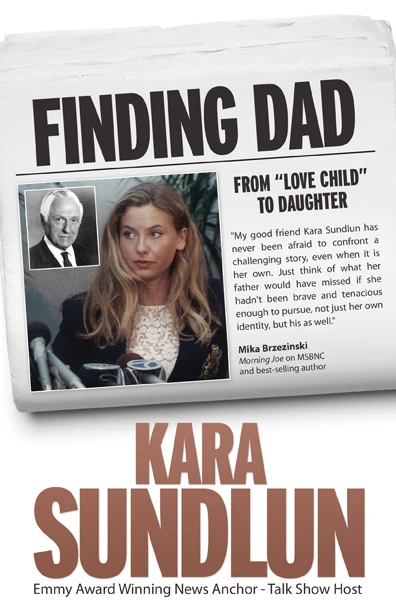
Terrific NPR interview with our author Kara Sundlun. Click here to listen to her fascinating story.
Leave a Comment » | publishing | Tagged: Fatherlessness, FINDING DAD: FROM "LOVE CHILD" TO DAUGHTER, Kara Sundlun, NPR | Permalink
Posted by lynnpricewrites
Get ’em while they’re hot, kiddies. Amazon has two of our wonderful titles on special:
 YOU LET SOME GIRL BEAT YOU? by Ann Meyers Drysdale – $2.99 WoOt!!
I adore Annie’s story because she never let public opinion sway her passion for sports. Whenever I’m feeling down on myself, I pick up my tattered copy and draw strength. Looking for a great pick-me-up written by one of the loveliest people evah? Click on the da link. You won’t be sorry.
 JAN’S STORY by Barry Petersen – $3.99 WoOt!
Early Onset Alzheimer’s steals the mind and leaves the body intact. CBS journalist Barry Petersen wrote an eloquent story about the love of his life, Jan, and her slow downward spiral – leaving him behind. The problem with Early Onset is that the people left behind are still young. Vital. Barry broaches a controversial topic that, frankly, needs discussing. It’s the reality of needing to be loved, to feel someone’s arms around you while you’re held hostage to one of the cruelest diseases. Barry opens this tough debate with honesty and clarity that sometimes the idea of “family” takes on a less traditional role. Can’t recommend this book enough.
Leave a Comment » | publishing | Tagged: Ann Meyers Drysdale, Barry Petersen, Early Onset Alzheimer's, Jan's Story, Sports, Women's sports, You Let Some Girl Beat You? | Permalink
Posted by lynnpricewrites

Whenever I talk to authors at conferences, they seem to be all about delivering their log lines, which is fine because time is short, and they only have mere nanoseconds to tell me the concept of their books. It’s an invite for me to say, “Tell me more.” I’m usually rushing down the hallway to a meeting, seminar, or pitch sessions, so brevity is much appreciated.
However, a log line isn’t your pitch – it’s a concept – so these aren’t helpful in a query letter. For that, you need to lead with your story’s plot.
If you lead with this:
Log Line: “Newly free from the rat race, Twist McPherson becomes the reluctant publisher to five saucy ladies in their seventies and an internationally famous legal thriller writer with a nasty case of writer’s block and urgent desire for anonymity.”
An agent may do the literary equivalent of hanging up on you and stop reading after one sentence. Yah. It happens. A. Lot.
If you want them to keep reading, just jump right in and belch out the plot:
Twist McPherson, on permanent hiatus from the rat race, moves to Palm Springs and sets about writing the Great American Novel. Her timing couldn’t be worse; the sour economy has publishers signing only the big blockbusters, like world class author Jack Crawford and his courtroom dramas. After one too many Harvey Wallbangers with her best friend Roz, Twist agrees to dust off her advertising talents and create her own publishing company.
During her weekly Mah Jong game with a group of saucy ladies, all in their 70s, Twist casually mentions her publishing plans. Before she can eat the olive out of her martini, Dirty Little Secrets, LLC is born, and Twist has a stable of five new writers who, under nom de plumes, have spent the past three years writing some of the hottest, yet refined erotica to hit the electronic bookshelves. As southern belle, Lucinda Du Pont, drawls over tea spiked with Jack Daniel’s, “Smut sells, dear.”
In the midst of cover designs and distribution, Twist—so named for her metaphorical gifts of rearranging the male anatomy during tough business negotiations—meets the mighty Jack Crawford, newly arrived to the desert to finish his faltering tenth book and meet his thrice-past-due deadline. He absolves his writer’s block by writing for Twist under the name Marcella de la Prentiss.
It wouldn’t have been so bad had Chicago Times book reviewer Carl Beckenham not smelled a story in the young new publisher who blasted onto the scene with her classy advertisements and sophisticated promotion. But Snarlin’ Carl’s nose for a hot story has him digging deeper into Twist’s business to find out the identity of her writers, which threatens Jack’s career and the ladies’ dirty little secrets.
It may seem a small thing, but I know many in the business who will stop after the first sentence. If that first sentence is cliché, the person reading it will roll their eyes in your general direction. And that’s the thing with log lines; they can be quite cliché, and that’s okay…so are lots of movie log lines. However, your job is to tell the acquiring editor or agent what your book is about, and a log line only offers up the overall scheme. Big difference.
Save the log line for racing down hallways with errant editors and your neighbor, who you really haven’t forgiven for borrowing your weed whacker and never returning it.
4 Comments | publishing | Tagged: log line, plot, publishing, query, writing | Permalink
Posted by lynnpricewrites
You are currently browsing the Behler Blog blog archives for November, 2014.
 Behler Blog
Link to Behler Publications.
Quoting me?
Feel free to quote from my blog so long as you email me for permission, properly attribute me and post my link.
Email
(lynn-at-behlerpublications.com)
My secretary, an unreliable beagle, normally ignores the phone by pleading the opposable thumbs issue. She's really only good at three things; mixing margaritas, copy editing, and sleeping on the job.




Click on cover for link
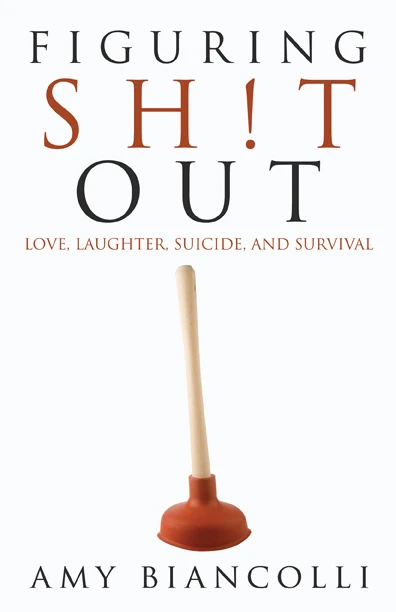 Amy Biancolli slams into widowhood wondering how fix broken doorknobs and dishwashers and discovers how to fix her broken heart.
73-year-old, war-hero-business tycoon-politician and a Midwestern high school girl survive the scrutiny of spotlights, and build a loving father-daughter relationship.
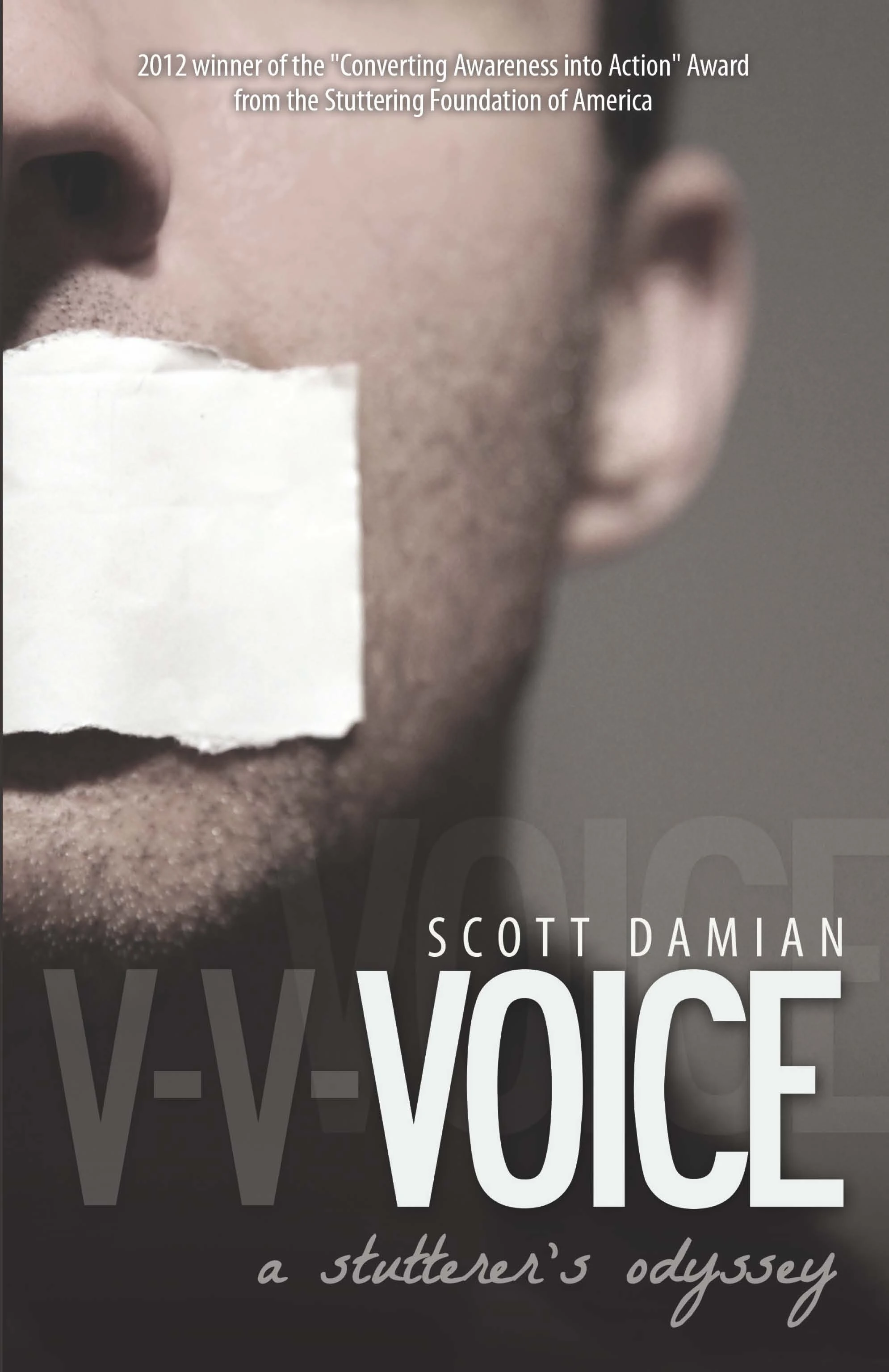
All his life, Scott Damian was imprisoned by the terror of being unable to utter a single word, until he transformed into a highly successful actor and writer. Scott speaks to the heart and soul of a stutterer, and addresses healing, help, and hope for the millions who are similarly afflicted.

Heidi’s horrific accident burned over 53% of her body, claimed both her legs, and killed her best friend. Her year of countless surgeries, surviving, pain management, fighting, and loss is incomplete until she finally faces the driver, and Heidi realizes she has one last hurdle; forgiveness.

Amanda Adams' passionate and riveting story of what it means to be a Heart Mom for her son, Liam, whose 12 surgeries marked the first 8 years of his life.

Look, Ma, I haz purses - click for larger view
Want to publicize your awesome new book? Do it with one of the beagle's cover art purses.
Click here for details.