And sadly, it’s not just ESL. I overheard a woman telling her daughter she was looking for “a pair of shoeses.” Ouch. Every time a native English speaker misuses the language, a kitteh pees in someone’s shoes.
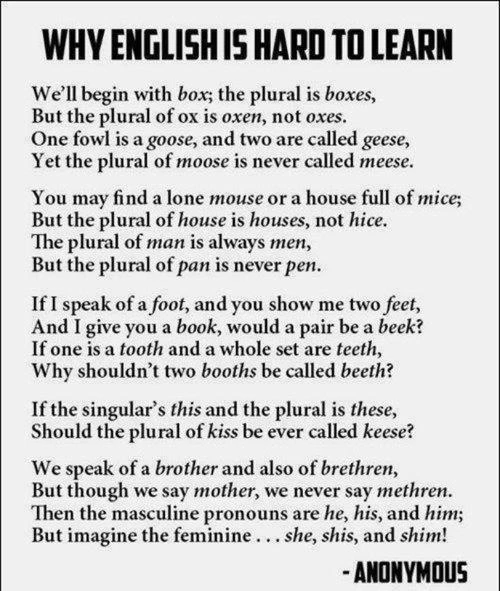
And sadly, it’s not just ESL. I overheard a woman telling her daughter she was looking for “a pair of shoeses.” Ouch. Every time a native English speaker misuses the language, a kitteh pees in someone’s shoes.
 4 Comments |
  Uncategorized, writing rules |
  Permalink
 Posted by lynnpricewrites
“Rules, rules, rules! Why should I care so much about POV switches and using too many adjectives and adverbs? The average reader will never notice! You’re simply too picky.”
That was an author’s reply to a critique I’d included with a rejection. She’s right – I am indeed picky. And she’s also half-right about the fact that readers may not notice. But here is why she’s mostly wrong.
Who Is Gonna Read Your Book?
The problem with this author’s comment is her lack of vision. She assumes her readers are all pleasure readers and, therefore, don’t care about syntax and structure. Hmm. You know what they say about “ass-u-me,” right?
In truth, readers’ educational background and knowledge of the English language vary a great deal. Does this mean we write to the lowest common denominator, or do we write to a higher standard? It may be that many won’t care about the overuse of adverbs – Lucy totally, absolutely loved her fabulously yellow car [yeech] – but there are a large populace who whose eyes would glaze over at a book filled with this kind of writing. Is that a risk you’re willing to take?
What if that reader is a reviewer? They’ll pull out their razor-sharp scalpel and cut you a new orifice. What if that reader happens to be an editor who bought your book while on their way to Hawaii? They’ll throw your book to the sand crabs and go buy a copy of National Geographic just to get the bad taste out of their mouth.
What if the reader is simply Joe or Jane Reader who is put off by blocks of character description that interrupts the flow of the story? Or they care that you overuse em dashes and ellipses? Or that you use more tell vs. show in your writing? The end result with all these scenarios is that the overall opinion of your book won’t be positive.
Let’s Be Perfectly Clear
The reason you should care about the rules is for the sake of clarity. You want your readers to understand what you’ve written.
POV Switches: POV switches within the same scene, or even in the same paragraph [god forbid] can be horrendously confusing because the reader looses sight of who’s head they’re supposed to be in. Head-hopping is a newbie problem that can only be done in the hands of an fabulous writer. Author Janice Eidus [The War of the Rosens] is just such an author, and I believe it was Kirkus who paid special notice of how deftly she used her POV switches. Janice is a brilliant writer, and readers are crazy not to rush out and buy her tender, heart-warming book.
Comma usage: Improper comma usage is another small thing that can bring clarity or confusion to a sentence, forcing the reader to re-read the sentence. In my mind, that’s a sin against the Reading Gods. If you don’t know how to use them, then how are you going to effectively tell your story?
Adverbs: Yes, I lean on our friend, the adverb, quite a bit and it’s because they are so seductive. I consider them the Antonio Banderas of writing. They’re sexy, handsome, and soooo easy on the eye and, before you know it, your writing is filled with adverbs that crowd, clutter, and irritate your readers. Not that Antonio ever could…
A manuscript filled with adverbs is overkill and there are plenty of readers who get to the point where they shout, “Yes! I get it, the car is wonderful and the character loves it. No need to stick fifteen adverbs in there to say so.”
The Evil Gatekeepers
The last reason authors should give a rat’s patootie about rules is those evil gatekeepers – agents and editors. See, you can rail against the unfairness of it all and be righteously indignant, but it’s not going to amount to a hill of lima beans if you can’t get past us.
We are your first readers. If you can’t get past us, you can’t reach those “unconcerned” readers. You may be happy in your belief that readers don’t care about our nitpicky concerns, and there are many vanity publishers who are thrilled to support you in that endeavor. But the main deal is this; ya gotta get past us. We care because it’s our $$ on the line. Agents care because they need to sell manuscripts to make $$.
So while we may be too picky for your tastes, we have a host of reasons as to why we’re that way. It’s what keeps our books on store shelves and in readers’ hands. And it’s what keeps readers saying nice things about our books.
Lastly, since when is “good enough” an excuse? If you receive a critique that points out weaknesses in your writing, your reaction shouldn’t be, “you’re too picky!” It should be a giant “thank you for pointing out some problems I wasn’t aware existed.”
6 Comments | writing advice, writing rules | Permalink
Posted by lynnpricewrites
“If Joe and Jane Big Selling Author can do it, why can’t I?”
The reason you can’t do it is because you aren’t Joe and Jane Big Selling Author. “It” refers to breaking certain writing rules that does not transcend to mere mortals. Many writers derive their inspiration and writing patterns from those established authors whom they admire. My personal writing hero, for instance, is John Lescroart. I patterned my dialog after his, and nearly died a happy death when one of my distributor’s sales reps caught the similarities. My enthralled demise came when John himself told me, “us dialogers have to stick together.” Anything for you, John.
But John gets away with things that I can’t. He can switch POVs faster than my daughter’s hair color, and he never gets dinged for it. Same goes for his use of adverbs. John’s plots are amazing, he’s an internationally famous writer who makes millions, so he can pretty much do what he wants, and I’ll still love him and read every one of his books.
Why can’t I get away with these infractions? Because my editors would nail me to the wall, for starters because they know as well as I that reviewers would toss the book across the room and invite me to learn the rules of writing. This happens every single day, and many of those manuscripts cross my desk and those of my cohorts.
Emulation is a good thing to a point. Reading a lot of books helps writers understand pacing, flow, character development, keeping the fluff to a minimum in order to concentrate on the plot. But reading well known authors can also teach some bad habits as well. The following comments came from replies to critiques I’d made on rejected manuscripts.
“Even though the general rules of writing say to keep semicolons to a minimum in fiction, I saw a ton of semicolons in XXX’s novel. I thought it was okay for me to use them, too.”
This is always a bit of a nail biter for me because I’m basically saying, “Yes, do as I say, not as they do.” This is tough on new writers. Whom do they believe? This author makes millions and is allowed to dress up like a pink poodle, howl a the moon, and use as many semicolons as he wants.
“I saw a novel filled with adverbs, and the rules say to keep adverbs to a minimum.”
That author makes millions and is allowed to dress up like a pink poodle, howl a the moon, and …ok, see the pattern?
Just because you have read books where authors break these generally accepted rules doesn’t mean anyone can pull this off. This is murky water territory because new writers aren’t usually experienced enough to know how and when to break the rules and still have a viable work. I made the comment on an author’s work I rejected that they would do well to lighten their manuscript of 85% of their adverbs because it made for lazy writing. Yet I have other authors whose works are filled with adverbs, and the writing is still brilliant. They are experienced enough to know that adverbs can create a tell vs. show problem and work around it. I have an author whose mid-scene POV switches were called by Kirkus as being some of the best writing they’d seen in a long time. So it can be done….if you know how.
“Screw the ‘rules,’ Price. There should be no rules in writing other than grammar and such.”
If you can convince nearly all the agents and editors of this, then I will gladly march into my local Mexican joint and belt out a hearty rendition of Frank Sinatra’s “My Way” with a margarita on my head. The argument for insisting no such rules should exist is fruitless if you’re running up against a body of the publishing industry who disagrees with you.
Remember that the idea is to never give an agent or editor a reason to reject you other than the writing or story isn’t for them. It’s my opinion that new writers who are tempted to ignore these general rules of thumb are playing with fire because it is so easy to label the work as being pedestrian. Learn the techniques of writing and gain some experience so you know exactly how and when to break the rules.
2 Comments | double standard, writing rules | Permalink
Posted by lynnpricewrites
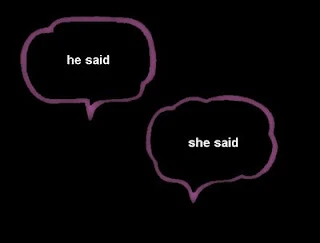
Dialog tags drive me buggy when they follow every line of dialog. They also drive me buggy when writers seek to avoid using “said,” thinking that it’s boring. Instead, I see things like this:
He snorted
He laughed
He threatened
He guzzled
He burped
He cried
He yelled
Blah, blah, blah…
Only one thing should be going on with dialog tags: identify the speaker.
But too often, writers use dialog tags as a crutch to reveal emotion, hence the above examples, or don’t realize that they don’t need the tags – especially when two people are talking. Passages of dialog that has a “he said” after it creates a ka-thunk ka-thunk pace.
“Blah, blah, blah, blah,” he said.
“Blah, blah, blah, blah,” she said.
-yawn-
It’s unnecessary and unimaginative. Rather than using a dialog tag, use action instead.
Example:
Overworked and Underpaid Editor stood in the middle of the office and stared at the floor, now littered with envelopes and tip sheets. “Overpaid and Underworked Assistant, get in here immediately and clean up this abomination.”
Overpaid and Underworked Assistant cringed in the darkness of the closet where she’d been having a major makeout session with the computer technician who’d arrived to reboot her hard drive. Reboot her hard drive, indeed. “Coming, boss.”
No tags. Instead, I used this to set the scene while still identifying who is doing the speaking. This adds richness to a potentially boring scene. I’m not saying that you won’t use dialog tags, especially when there are three or more characters talking. Sometimes you need a more rapid fire pace. But if writers avoid overusing the “he said, she said” tags, this goes a long way to avoiding ka-thunk.
1 Comment | dialog tags, writing advice, writing rules | Permalink
Posted by lynnpricewrites
There is one consistent mistake I see writers make in their writing; knowing the difference between who and whom. I’m not going to get all technical English-y here because I’m all about making things easy to remember.
Whom takes a direct object – Whom do you love?
Who refers to the subject of a clause – Who ate my Twinkie?
I can hear you now: “Argh! Subject? Direct object? Whyohwhy didn’t I pay better attention in sophomore English class?”
Here’s a helpful hint:
Remember:
Him/Her = whom
He/She = who
Substitution method
Or you can substitute personal pronouns (he/him, she/her) for who/whom. I like this because it’s helpful in more complex sentences. You may have to alter the sentence around.
Example:
Here’s a tougher one:
So what about whoever and whomever? Same rules apply.
Okay, I could have said “I decided to keep him” (which would make it “whomever”), but the phrase “He bought me Twinkies” is the object of the preposition “keep.” So, it’s “whoever.”)
Leave a Comment » | writing advice, writing rules | Permalink
Posted by lynnpricewrites
“Bertha Bloodhound collapses in front of the Dunkin’ Donuts in order to say goodbye to Fatsy Spatsy, her childhood love, that dumped her for Zelda Crumbrunner.”
Of course, that bolded word should be who. I know it’s a silly thing, but I see this all the time, and it bothers me. It’s a writer’s job to communicate properly, and this includes knowing proper grammar. If you’re talking about a person, it’s who. If you’re talking about a thing, it’s that. Capice?
4 Comments | writing advice, writing rules | Permalink
Posted by lynnpricewrites
These are three diseases that infect many potentially good works, and it all comes down to education. I’ve been amazed at the number of writers who don’t understand how to format dialog, use too many dialog tags, and engage in talking heads.
Underpaid Editor grabbed the blender.
“Margaritas for everyone!” she shouted excitedly.Overworked Intern tossed the slush pile into the air.
“Whoopie doo!” she screamed elatedly.
While I’m a sucker for a good margarita (and I do make the best in the world), this is a case of incorrect formatting. I just finished reading a submission where the writer had formatted every bit of her dialog in this manner. I was constantly confused as to who was doing the talking; and no, it wasn’t because of the margaritas.
I have a lot of people asking me how to know when to keep the sentences as one paragraph. Simple. You have a lead-in sentence and the dialog. The lead-in sentence matches the character’s action with the upcoming dialog, so it belongs in the same paragraph.
first sentence:
Underpaid Editor grabbed the blender. “Margaritas for everyone!” she shouted excitedly.Overworked Intern tossed the slush pile into the air. “Whoopie doo!” she screamed elatedly.
The second offense in this example is the dialog tags. Writers rely on them to convey emotion, and this puts the stress on the tag and takes away from the actual dialog. Put the emotion into the lead-in sentence.
Dialog tags should be kept to a minimum because they tend to have a clunking sound after a while. There are so many better ways to reference multiple characters – hello lead-in sentence. They are so underutilized, and the results are dull, flat reading. Use your lead-in sentence to convey movement or facial expressions – anything that will add dimension to the characters – and get rid of the dialog tag.
Underpaid Editor grabbed the blender. “Margaritas for everyone!” she shouted excitedly.
Overworked Intern tossed the slush pile into the air. “Whoopie doo!” she screamed elatedly.
Now becomes:
Underpaid Editor ended her long and stressful week by grabbing the blender she kept stashed in the bottom drawer of her desk. “Margaritas for everyone!”
Overworked Intern tossed the slush pile into the air and jumped with excitement. “Whoopie doo!”
The third offense is the Talking Heads. That’s a case where there is nothing going on but dialog. This is fine if done in small doses, as it is here. But have this going on for a page, and you want to scream. Or drink. It’s all about flow. Besides, you’re missing a great chance to add flavor to this dialog.
Are there any of those little umbrellas we can put in the glasses?”
“You said you’d bring them.”
“I thought Underworked CEO was going to get them.”
“No way. He took all the petty cash to buy water balloons to throw at the UPS guy.”
Now becomes:
Overworked Intern watched her boss pull out the tequila, limeade, and ice. “Are there any of those little umbrellas we can put in the glasses?”
Underpaid Editor had to speak over the loud whir of the blender. “You said you’d bring them.”
“I thought Underworked CEO was going to get them.” Overworked Intern’s face fell in disappointment.
“No way. He took all the petty cash to buy water balloons to throw at the UPS guy.”
(those of you who caught the abysmal adverbs in the original version get a free margarita)Yes, I know, Hemingway it ain’t. But I used nary a tag, I reformatted this so the reader knows who is talking at all times, and I got rid of the talking heads. Margaritas anyone?
Leave a Comment » | dialog tags, writing advice, writing rules | Permalink
Posted by lynnpricewrites
You are currently browsing the archives for the writing rules category.
 Behler Blog
Link to Behler Publications.
Quoting me?
Feel free to quote from my blog so long as you email me for permission, properly attribute me and post my link.
Email
(lynn-at-behlerpublications.com)
My secretary, an unreliable beagle, normally ignores the phone by pleading the opposable thumbs issue. She's really only good at three things; mixing margaritas, copy editing, and sleeping on the job.


Click on cover for link
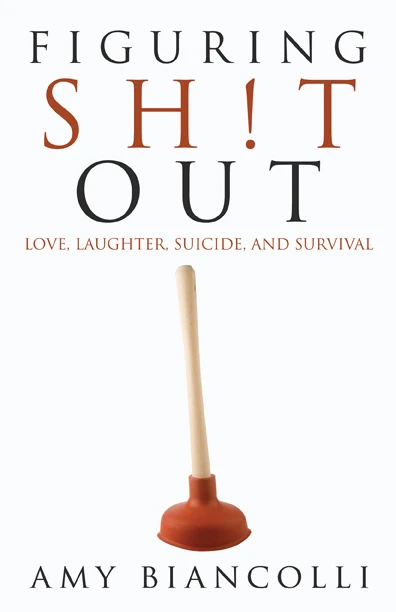 Amy Biancolli slams into widowhood wondering how fix broken doorknobs and dishwashers and discovers how to fix her broken heart.
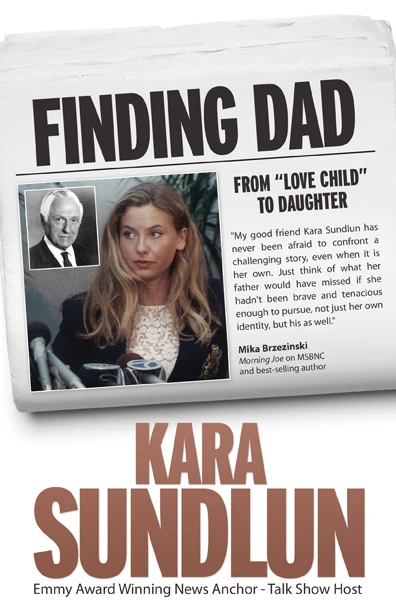 73-year-old, war-hero-business tycoon-politician and a Midwestern high school girl survive the scrutiny of spotlights, and build a loving father-daughter relationship.
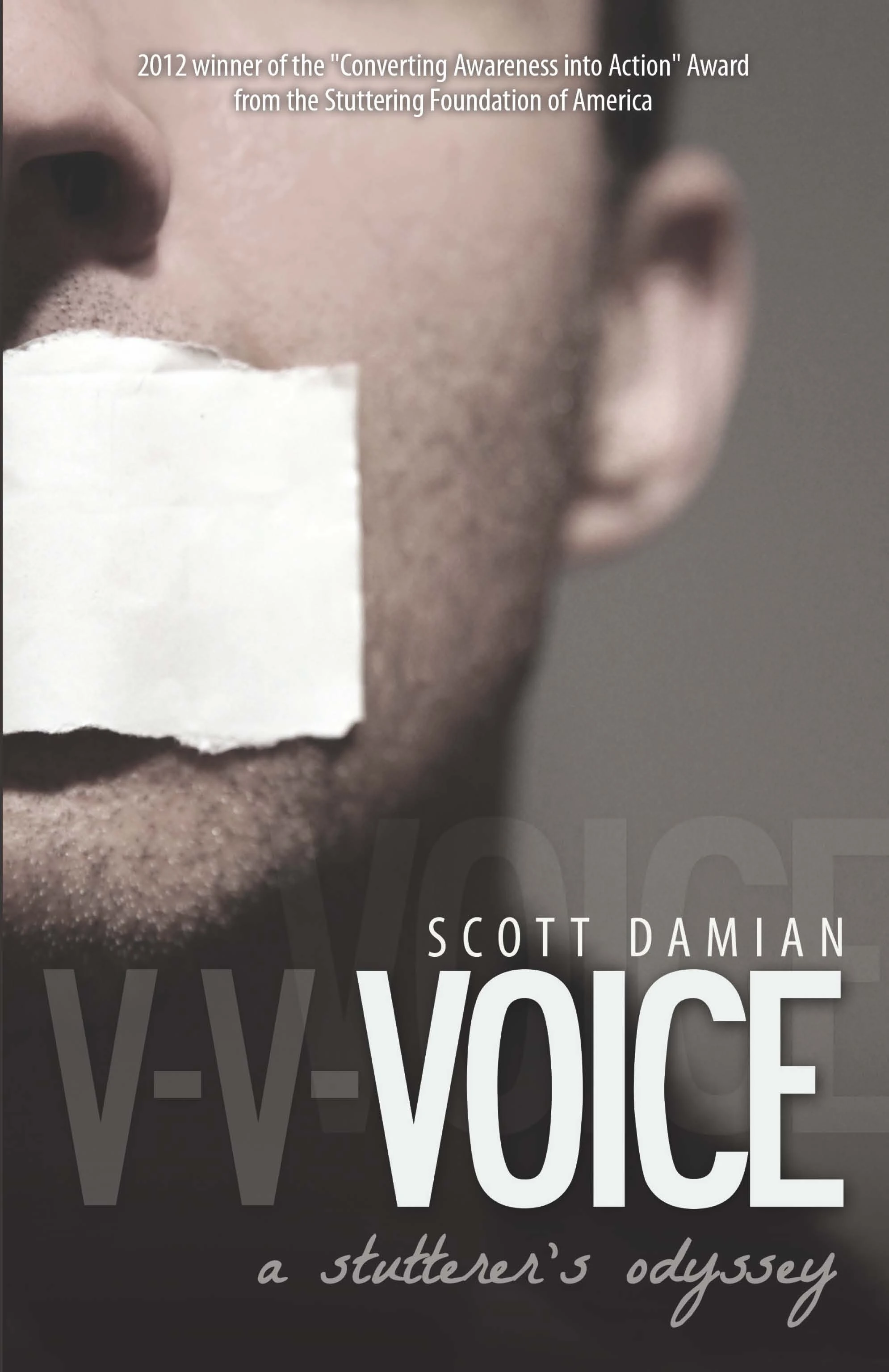
All his life, Scott Damian was imprisoned by the terror of being unable to utter a single word, until he transformed into a highly successful actor and writer. Scott speaks to the heart and soul of a stutterer, and addresses healing, help, and hope for the millions who are similarly afflicted.

Heidi’s horrific accident burned over 53% of her body, claimed both her legs, and killed her best friend. Her year of countless surgeries, surviving, pain management, fighting, and loss is incomplete until she finally faces the driver, and Heidi realizes she has one last hurdle; forgiveness.
Amanda Adams' passionate and riveting story of what it means to be a Heart Mom for her son, Liam, whose 12 surgeries marked the first 8 years of his life.
Look, Ma, I haz purses - click for larger view
Want to publicize your awesome new book? Do it with one of the beagle's cover art purses.
Click here for details.