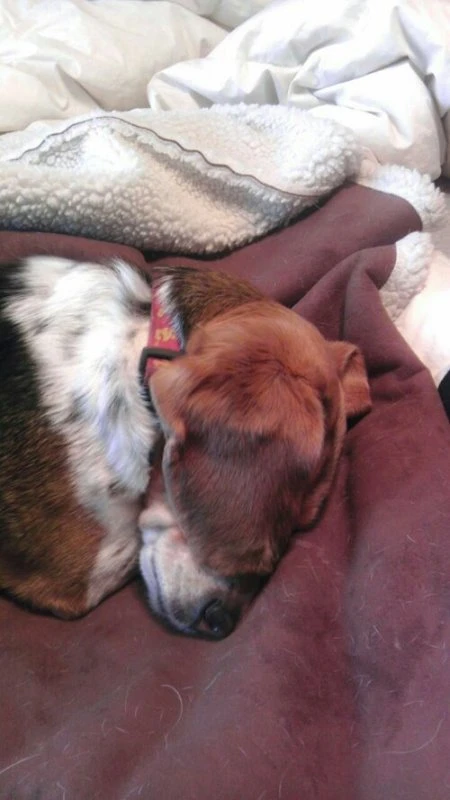
I feel like the beagle looks. Flu. Dying. Shoot me now. Please.
I feel like the beagle looks. Flu. Dying. Shoot me now. Please.
 7 Comments |
  Uncategorized |
  Permalink
 Posted by lynnpricewrites
The setting: My office.
Time: October, 2012.
Me: So we’re moving to Pittsburgh. Wanna come?
Beagle: Are you nuts? I hear it snows there.
Me: I’m counting on it.
Beagle: So why would I want to leave SoCal, with its perpetual sun, fresh limes, overflowing tequila…and that hot Doberman Pinscher up the street?
Me: Um, because you cherish the ground I walk on?
Beagle: Let’s get real, I barely tolerate you. You have a great spot on your desk for sunbaths, and you keep the pantry filled with tequila and designer doggeh chewies. Anything more than that, and you suck stale Twinkie cream.
Me: You ungrateful flea bag. I’ve turned you from a slobbering butt-licking half-breed into a quasi-competent secretary who can answer phones and file.
Beagle: Ahem, that’s Ms. Pure-Bred to you. And sure, I can file and answer the occasional phone, but I’m a dog, and I want to do dog things. And besides, I’m not really yours. If you care to remember, your son was the one who got me when he was in the Army, so I go where he goes. And he’s staying here. Have fun in Pittsburgh, in the snow and slush.
Me: Bitch.
Scene change: Pittsburgh
Me: So you think you’ll like it here?
Rescue Beagle #1: Are you kidding? This is a slice o’ heaven. I spent the first year or so of my life locked in a cage until animal services rescued me.
Rescue Beagle #2: I already love it! I was tied up to a tree next to a McDonald’s and abandoned until some nice people found me and fed me Chicken McNuggets because I was starving.
Me (serious lump in throat): You’ve been through so much. Welcome to my heart and home.
Rescue Beagles look around office
Rescue Beagle #1: Looks like you could use some help with your filing.
Me (brightening): Get outta here. You file? Um, do you make margaritas?
Rescue Beagle #1: You kidding? I’m half chihuahua…hand me a bottle of tequila, beer, grand marnier, and limeade, and point me in the direction of your blender.
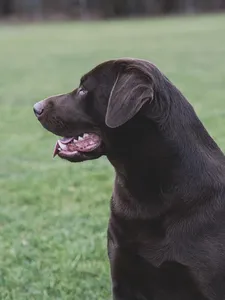
Me: How ’bout you, Rescue Beagle #2, do you have any talents?
Rescue Beagle #2: I got a lotta puppy still in me, so I’m really good at shredding things and peeing on the floor. Oh, and phones fascinate me.

Me (Giving serious thought about stubborn authors who insist on sending physical manuscripts and queries): I see you fitting in as my new paper shredder. I’ll let you cover the phones – only no calling those Doggeh Porn numbers. Yessiree, I think we have the beginnings of a beautiful relationship.
4 Comments | beagle, Beagles gone bad, publishing | Tagged: beagles, publishing | Permalink
Posted by lynnpricewrites
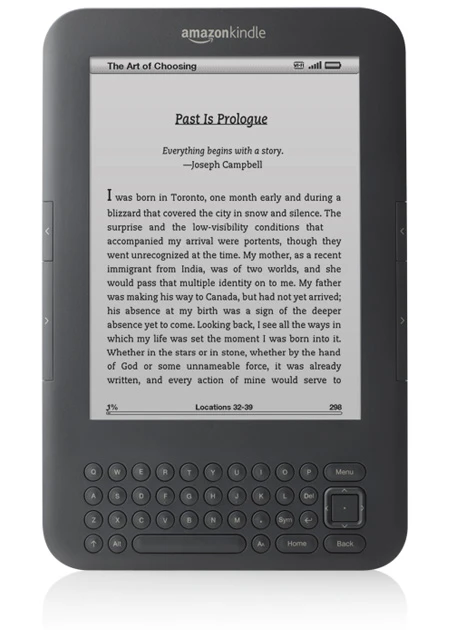
For the love of all that’s holy, CHECK YOUR E-BOOK FILES before you take them live. I’ve read quite a few e-books from authors whose publishers are giants, yet their e-books are a hot mess. I’m talking about major conversion blunders that arbitrarily cut dialog, mid-sentence, into several carriage returns, so you’re not sure who’s talking. It looks
something like
this.
Then there are the quote marks around narrative instead of dialog, missing scene breaks, and a whole host of other problems.
From all appearances, publishers aren’t taking the time to test the e-book files before uploading them to online databases like Amazon and BN.com, so lots of authors have embarrassingly horrible-looking e-books. If you see your e-book is filled with a shop of horrors, scream at your publisher to fix them. I’m in the middle of reading an e-book, and I’d give my left ear lobe to tell the author – because I do know her – but I don’t want to offend her. What’s worse is I’m not sure her publisher would fix it – and it dearly needs fixing. I’ve never struggled so hard to read an e-book.
There is a well-known author whose e-books are horribly converted. I’m in the process of reading every one of his gazillions of books, and I have yet to find a clean conversion.
I know exactly squat about e-book conversion, but my very dear buddies in India know a bucket-load. I test the little blighters before I hand them over to Consortium for distribution because I really want our readers to enjoy their books – not wish they could rip their eyes out with a toothpick.
Meh.
8 Comments | e-books, publishing | Tagged: e-books, publishing | Permalink
Posted by lynnpricewrites
I’m not normally a big Valentine’s Day junkie because, well, in truth, the hubs makes me feel like every day is Valentine’s Day. I know, collective awwwww. But I am a proponent of doing what you love. I talk to a lot of authors, and those with book deals are now thrown into the world of deadlines and serving another master. Their time isn’t their own anymore, and they have to shift gears. It’s easy to lose the love.
Others experience rejection letter after rejection letter. Hearing “No thank you” is soul-sucking stuff and you may feel like you’re going nowhere fast. Worse, you question your talent. That may be valid, or it may be hooey. But it’s easy to lose the love.
And then there’s that other group for whom the words simply aren’t coming. They’re stuck. It’s nearly impossible to put a single finger on the keyboard. You want to toss your computer out a second story window, drink heavily, clean (yeah, I’ve never experienced that particular affliction), or invert your belly button. It’s easy to lose the love.
If you’re in one of these groups, you’re probably ready to toss yourself under a garbage scow. Stop. Take a breath, let the rescue beagles fix you a margarita, so you can remember that you got into this silly thing because you love writing.Repeat after me. You. Love. Writing.
Since this Valentine’s Day, take the time to love you and your love of writing. It’s hard to be effective job at anything if you don’t love it, be it a relationship, a job, or writing. So today (and every day thereafter), remind yourself of your love for the ability to put fingies to keyboard and pour your soul out on cyber paper. Cherish the snippets of time you can steal away to lose yourself in your story. Nurture yourself and your talents the way you’d nurture your job or your relationships, because writing is food for the soul.
Happy Writing-tine’s Day!
2 Comments | attitude, writing | Tagged: publishing, writing | Permalink
Posted by lynnpricewrites
In a perfect world, your agent is your bestest buddy and knight in shining armor. She is the one who gets the lovely book deal(s) that propel you to a hungry marketplace. And most of the time, it works. Unless it doesn’t.
Your introduction to editors is The Query Letter, and your agent should know how to write mouthwatery query letters that have editors leapfrogging over one another just to get their ink-stained little paws on your manuscript. If your agent can’t write a mouthwatery query letter, then I hope they have other assets that will work to your advantage.
Spelling
It should go without saying that your agent should write a query letter that’s free of spelling errors, but I just read one that contained some glaring spelling errors, and had me wincing a la fingernails on a chalkboard. If your agent writes “letter’s” when she means “letters,” or “hand writing” when she means “handwriting,” then I’m gonna notice ‘cos that’s sorta what I do.
OK, maybe it’s not fair to judge a query on a couple misspellings, but come on, this is a job interview that someone is doing on your behalf. If she can’t spell, then what does that say about her judgement of quality books? Do spelling errors beget inability to judge a good book? Beats me, but I do have dozens of other queries whose spelling is perfect.
A query letter’s job is to provide information, so editors can decide whether they’d like to see more. If there is very little info, then this forces the editor to either hunt down the information, or simply reject it.
Word count
It’s useful to know the word count. It may not seem like a big deal, but I had a query from an agent that sounded really great. I neglected to ask about a word count. She sent me the first few chapters, which I loved, then I asked for the whole manuscript…and asked for the word count. Come to find out, it was only 36,000 words. Yikes.
Same thing happened, only the book was 200k words. Double yikes. And really, a good agent should know better.
Audience
Does your agent include your intended audience? It may seem elementary, but editors can be confused by a query. I remember reading a fabulous query and the author’s first chapter. Loved, loved, loved it. But I rejected it because we don’t do YA. Oh no, the author wrote back, this isn’t a YA work; it’s meant for adults.
Ah, the lights turn on, the angels sing. And she was absolutely correct. The War of the Rosens is definitely an adult novel, and fabo, fabo, fabo. Anyone who loved Myla Goldberg’s Bee Season would adore Janice Eidus’ book, and want to take little Emma into their hearts. Makes me wish I still accepted fiction.
But the takeaway is that since I didn’t know the intended audience, I nearly lost a fabulous book. Wouldn’t it be awful if you were rejected because you or your agent didn’t discuss the intended audience in the query letter? Most editors will send a form rejection letter, so you’ll never know why it was rejected.
Why is the book important?
Obviously, this isn’t a necessary tool for fiction, but it’s very important for nonfiction. Remember, I don’t know your book inside out the way you and your agent do, so it’s near impossible for me to connect the dots. I gotta be told. If your book reveals who really killed JFK, then it would be nice to know why this particular book is important, considering that many of these books already exist. What’s different about yours? If your agent doesn’t tell me, then I tend to question the book’s viability.
Platform
And keeping on that theme of who really killed JFK, your agent needs to include your platform. Again, this is for you nonfiction writers. Are you an investigative reporter who has uncovered more information through your many-year’s-long sleuthing? Are you someone who was close to those involved with the JFK administration, and have access to someone’s dying confession? Or are you just someone who’s always been fascinated with the JFK assassination and believe you found proof through your own independent investigation?
In short, who you are gives legitimacy to the book you’ve written. On one hand, you have the credentials to entice an audience to perk up their ears and read what you have to say. On the other hand, you could be just another crackpot with yet another theory as to who killed JFK…and the world is filled with those.
Before your agent ever agrees to represent your nonfiction, she will look at your platform – who you are, and how many people know you. Or at least she should because she has to turn around and sell you to an editor. And trust me, no editor will go before a submission committee without the author having a huge platform in order to take on a tall order like the JFK assassination. She’ll get laughed out her zip code.
Ideas are great, but you must have the goods to back up whatever you’ve written about. It’s the cop who writes about the crimes he solves, the doc who writes about his life in the OR, the psychologist who writes about keeping your mental well-being while being unemployed. Their platforms compliment their books. They are a legitimate and unimpeachable source for what they’re writing about.
If you don’t have that, are you necessarily the best person to have written your book? What is it about you that will make reviewers and the media listen to what you have to say? If your agent doesn’t include that in the query letter, then I’m forced to either look it up, or simply reject it.
Putting Your Best Foot Forward
Like I said, a query letter is a job interview, and if your representative can’t write a good one, then what else can’t she do? I remember many years ago, our finance guy had to walk an agent through her author’s royalty statement. It was embarrassing because not only are our royalty statements achingly easy to read, the experience revealed the agent’s complete lack of basic math skills.
You always want to be proud of your agent. So how do you put your best foot forward? Ask to read the query letter they plan on sending out. I think many authors miss this step because they believe they’re in good hands, and don’t want to be bothered. The stuff I talked about here is why you should be bothered. These examples I have here really happened, and my heart ached for the authors.
Never forget that this is your book…the book you spent a long time writing, so you don’t want to blow it at the most critical time.
Check the query letter over:
I’ve often passed around the quote of how it’s better to remain unpublished than be published badly. Well, the same goes for poor representation. You’d rather be unrepresented than represented poorly. Reason being, they are doing a piss-poor job at trying to sell your manuscript. Should you change agents, your new agent won’t be able to re-query the editors your previous agent queried, so your selection pool is that much smaller.
The idea is to work smart, so you can increase your chances for a good book deal. Working smart is making sure your agent is an asset, not bug repellant.
1 Comment | agents, query, writing | Tagged: agents, publishing, query, writing | Permalink
Posted by lynnpricewrites
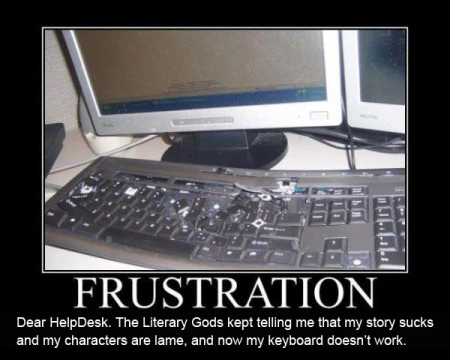
Go figure…
1 Comment | outrage, writing | Tagged: writing | Permalink
Posted by lynnpricewrites
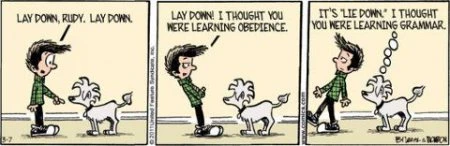
1 Comment | writing | Tagged: writing | Permalink
Posted by lynnpricewrites
…asks rhetorical questions in their query. You know what I’m talking about. The queries that start with,
What would you do if you had a million dollars? Would you give it away, or spend it on buying up Scottish castles? Or would you use it to kill your fifth grade teacher?
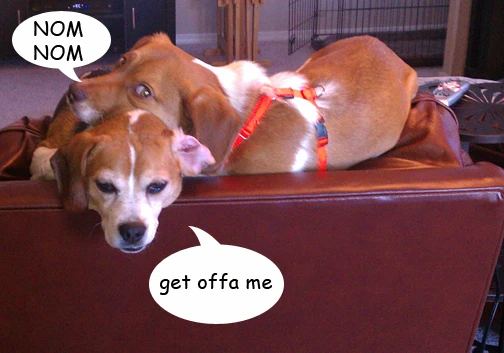
Gah. Enough already. Would you open a conversation this way? No? Then don’t do it in a business letter, which is what query letter is. If you insist on playing the rhetorical question game as a query opener, I have two rescue beagles who would love to tear it to shreds.
5 Comments | publishing, query | Tagged: publishing, query | Permalink
Posted by lynnpricewrites

I was out running errands today, and I passed an elderly couple on my way into the wine store. As I raced by (to get out of the snow), I caught a snootful of the man’s cologne. It was the same as my dad’s, and in that nanosecond, I was transported back to Christmas hugs and crazy family dinners, where Dad always wore a smile on his face and a joke on the tip of his tongue. If Dad wasn’t filming me at cheer parades or coaching one more smile out of me before I whisked off to prom, he was always in the background, making me feel safe and loved.
I shoved the memories into the background until I could get back to my car and have a good cry. That one whiff of cologne, and I’m missing Dad so much, it hurts to breathe, and I’d give my entire cache of tequila just to be eight years old and sitting across the dining room table again, waiting for Dad to do something silly.
So what does this have to do with writing? Well, everything. If you ask most of my authors, they’ll tell you one of my favorite comments during editing is “Dig deeper. Use your senses.” What I mean by that is to draw upon your five senses to evoke a memory that is associated with a feeling. The idea is if you can taste, touch, smell, see, or hear something, you can effectively write it. But you gotta dig deep to find it.
Sometimes I think we’ve forgotten how to dig deep because I see a lot of dry writing in submissions. It’s one thing to say “I miss my dad.” It’s quite another to say how and why in order to communicate that sense of missing someone to your reader. For me, it was a whiff of cologne. That sense of smell got my creative juices flowing to where I could write from the heart. Sometimes it’s music, and sometimes it’s touching a favorite blanket. Whatever sense you use, you’re looking for a primer to get you to that place of raw emotion.
I’m not saying you need to toss yourself on a couch, a la Freud, and analyze every emotion you write about. But if you have a chapter that has a lot of impact, then you’re not going to get away with writing, “She was sad.” You may need to call upon one or more of your five senses to get to that place where the deep emotions lurk.
Not only does this make for richer writing, but you keep the reader engaged in your story by conveying what that particular emotion feels like to your character (or you, if you’re writing a memoir). It helps the reader better understand and care about the character.
The most important thing you need to remember is DON’T BE AFRAID TO GO THERE. I run into this with memoir writers. Their stories are emotional, and having experienced it once already, they can be afraid, too exhausted to “go there” again, or simply emotionally drained when writing their stories. However, that emotion is the golden thread that ties the story together.
Emotion is the reason you decided to write your story, and you need to reconnect with those emotions. No one is interested in a Cornflakes dry accounting of your experience. It has to be well-rounded and full-bodied, like a fresh Twinkie (please don’t remind me they are no longer available. I’m still wearing my mourning shroud). And this goes for nonfiction and fiction.
So take another look at your writing. Are there places where your emotional content is a few sandwiches shy of a full picnic? Are there places where you need to get quiet, go deep within, and touch that memory with one of your five senses? If so, get crackin’!
As for Dad, I’ll see him end of February…where I can smell that cologne to my little heart’s content.
4 Comments | writing | Tagged: emotion, publishing, writing | Permalink
Posted by lynnpricewrites
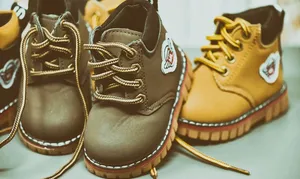
I never thought I’d see the day where my daily shoes would be *Sorels. I’m a SoCal native, and my shoe choices leaned more heavily toward Rainbows or deck shoes. Socks? Phht, we don’t need no steekin’ socks. It’s SoCal, baby.
Then I moved to Pittsburgh, and the idea of wearing Rainbows or deck shoes became pure fantasy during the months of October-March/April. Had Baby Daughter not spent a year in Boston, I wouldn’t have known about proper footwear in frigid weather because I hadn’t planned for it. I know squat all about cold climes, and believe me, it’s all about the planning, baby.
The same can be said about your writing career. Most writers get an amazing idea and increase their BIC index (Butt In Chair) to 24 hours a day in order to bang out their tomes. But at some point, you need to take stock of what to do after writing The End. This is where reality slaps you upside the head and you realize This. Is. A. Business. And successful businesses take planning.
So you need to ask yourself, “Am I a Rainbow gal walking around in Sorel Land?” If so, then you might want to consider these points:
Writing/Research
I reject many manuscripts because the authors didn’t do any research. I remember reading one story where the main character was taking a romantic moonlight stroll along the Amazon River. I nearly broke a rib laughing. I’ve been to the Amazon and the last thing anyone (with a brain, that is) would do is stroll outside at night. Not unless they were interested in seeing how long it took for the mosquitoes to drain your blood supply. Research, baby.
If your character has MS, then you better research the snot out of MS because you’d be amazed at how vital and active many MS patients are.
Stamp this on your forehead: If you don’t research, then you haven’t planned for success.
The same goes for writing. My last post said something about authors whose writing skills are still at the remedial stage, then they don’t need a good editor, they need to learn those skills. And it’s true. You can have a great story idea, but if you write like you barely made it out of 8th grade, then no reputable editor will take pity on you and offer you a contract. They’ll kick you to the curb. Quickly.
Being an expert in your craft should take precedence over your desire to be published. Sadly, I see the opposite in large quantities.
Stamp this on your forehead: If you haven’t learned how to write, then you haven’t planned for success.
Editing
I know I beat this particular drum to the point of excess, but it bears constant comment because not all editors are created equally, as I mentioned in a recent post. If your book is poorly edited, then you are going to suffer the ultimate humiliation of having everyone tell you how many mistakes they found.
You must, must, must be absolutely certain of the kinds of editors your publisher hires. Do they have experience from solid houses, or did they serve a small internship and were set loose to wreak havoc on unsuspecting books? Be especially aware with e-publishing because these houses oftentimes have a much smaller operating budget, and can’t afford to hire experienced editors. Keep your focus on those who have been in business for at least 2-3 years.
Stamp this on your forehead: If you haven’t checked out potential publishers’ editors, then you haven’t planned for success.
Publishing Intent
Before you begin the query process, you need to have a dialog with yourself about your writing intent. Are you a hobbyist who’s simply having some fun? If so, then you should probably take trade presses off your list because they’re not looking for hobbyists. They’re looking for career writers. Instead, you could think about slapping it up on CreateSpace and see what happens. But the idea is that you have a realistic vision of your writing and arrange your publisher query list accordingly.
Stamp this on your forehead: If you haven’t analyzed your writing career, then you haven’t planned for success.
Marketing/Promotion – You vs. Your Publisher
With the advent of DIY publishing and the need to self-promote, many authors have forgotten a very important element in the equation; the publisher. They have a responsibility to you as well, besides assuming production costs. You need to find out exactly what they will do for your book once it comes out.
Do they send out physical ARCs to media and reviewers? Do they schedule signing events and interviews? Do they provide you with free books? Do they take out ads? Marketing and promotion differs for each house, and you need to know which houses will best enhance your exposure to the marketplace.
Stamp this on your forehead: If you haven’t found out what publishers do to promote your book, then you haven’t planned for success.
Distribution
You may love your editor like you love Twinkies, but if they can’t get your book out to the marketplace, then all the niceness in the world won’t make up for the fact that your book is circling the drain.
When I talk about distribution, I’m not talking about Ingram and Baker & Taylor. They are warehouse distributors who simply fulfill orders placed by bookstores and libraries. I’m talking about independent distributors who have sales teams that pitch your catalog to genre buyers. It means those publishers have store placement.
The same goes for e-publishers. I’ve run across many who only sell their e-books on their own sites. In cases like this, you need to ask yourself what is driving the marketplace to their website. In most cases, nothing. And so your e-book circles the drain. Your e-publisher should have your e-book available in every digital online site in order to increase your footprint.
Stamp this on your forehead: If you haven’t asked potential publishers about distribution, then you haven’t planned for success.
In short, if you truly honor yourself and your writing, then you must plan for your success. You can’t leave it up to the four winds or chance because the streets are littered with broken-hearted authors whose new mantra is, “Shoulda, coulda, woulda.”
2 Comments | publishing, writing | Tagged: audience, books, marketing, promotion, publishing, writing | Permalink
Posted by lynnpricewrites
You are currently browsing the Behler Blog blog archives for February, 2013.
 Behler Blog
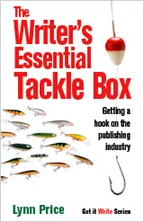 If you want the inside scoop on what floats our boats, The Writer's Essential Tackle Box is a must have.
"Hot Read" in OC Metro Magazine
Also available in Kindle
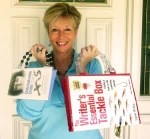
Look, Ma, I haz purses - click for larger view
Want to publicize your awesome new book? Do it with one of the beagle's cover art purses.
Click here for details.
Lynn Price: I am the editorial director for Behler Publications. This blog is about sharing information, advice, observations of various things that cross my desk, and getting a little silly sometimes.
Interview with Lynn Price
Quoting me?
Feel free to quote from my blog so long as you email me for permission, properly attribute me and post my link.
Email
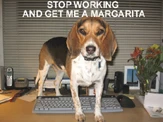
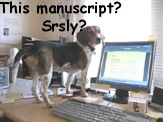
I'm better off with email (lynn-at-behlerpublications.com) since my secretary, an unreliable beagle, normally ignores the phone - pleading the opposable thumbs issue. She's really only good at three things; mixing margaritas, copy editing, and sleeping on the job.
Click on cover for link
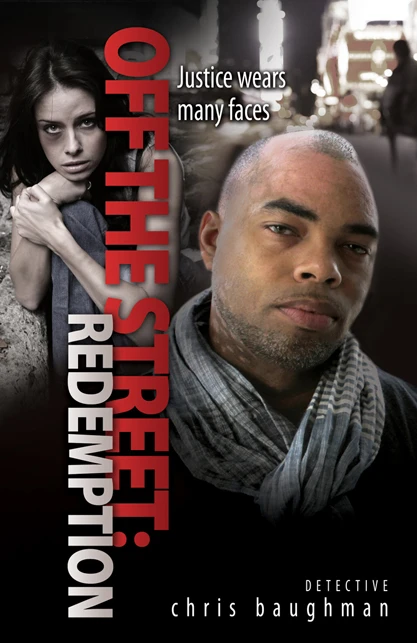 Chris Baughman fears his case against Mario Davis, a sadistic pimp and former high school friend, is slipping away when two brutalized victims are afraid to testify. Through countless hours, Chris fears a verdict that will offer no justice for the two young women. The tough lesson facing Chris is that justice sometimes offers a different kind of justice.
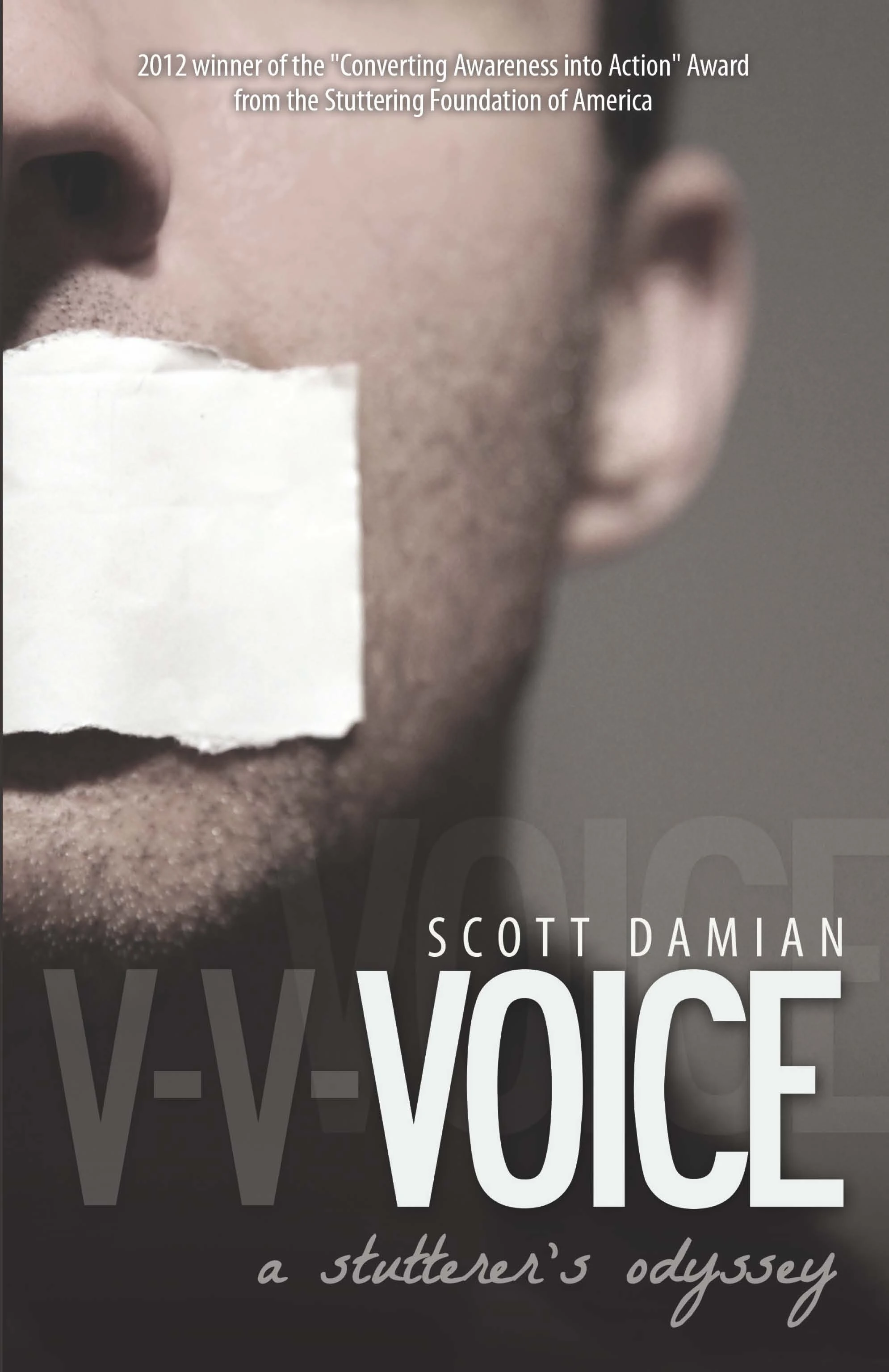
All his life, Scott Damian was imprisoned by the terror of being unable to utter a single word, until he transformed into a highly successful actor and writer. Scott speaks to the heart and soul of a stutterer, and addresses healing, help, and hope for the millions who are similarly afflicted.
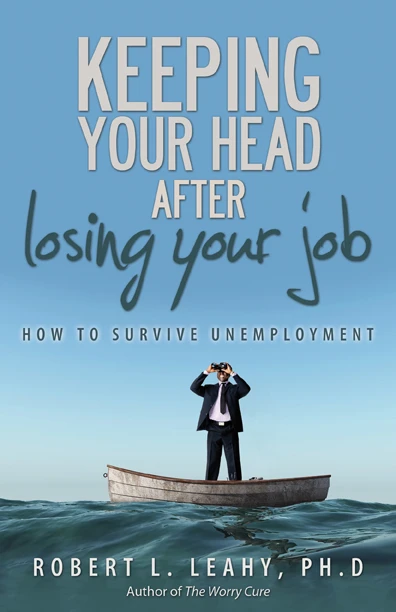
Dr. Leahy’s successful techniques help you boost your self-esteem and confidence, decrease anxiety and feelings of helplessness, and develop resilience and strength during your unemployment, and live your life more effectively once you get a job.
Melissa visits Africa for animal conservation, but a cast of unlikely characters teaches her about grief, fear, and life
Heidi’s horrific accident burned over 53% of her body, claimed both her legs, and killed her best friend. Her year of countless surgeries, surviving, pain management, fighting, and loss is incomplete until she finally faces the driver, and Heidi realizes she has one last hurdle; forgiveness.
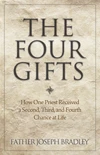
By all rights, Father Joe Bradley should be dead. If past usage of beer, marijuana, and cocaine didn't do the trick, then certainly dilated cardiomyopathy should have.
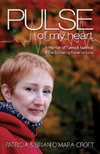
Moving memoir about unconditional love and blunt honesty that defines a new normal for Heart Couple, Brian & Patty O'Mara-Croft.
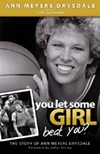
Stirring memoir byf Ann Meyers Drysdale's and her winning attitude of achievement and happiness
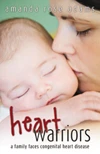
Amanda Adams' passionate and riveting story of what it means to be a Heart Mom for her son, Liam, whose 12 surgeries marked the first 8 years of his life.