
That is all.
That is all.
 6 Comments |
  publishing, writing | Tagged: publishing, writing |
  Permalink
 Posted by lynnpricewrites
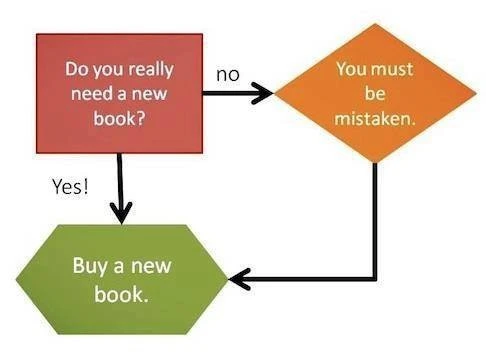 And since we have established this fact, may I suggest our newest release:
 LEARNING TO PLAY WITH A LION’S TESTICLES is excellent reaching for the beach/vacation/avoiding work/general malaise. We’ve rated this as a 3 on the Boxes of Kleenex Scale, and a 5 on the Laugh ‘Til Your Abs Hurt Scale, as author Melissa Haynes travels to South Africa to volunteer on a game reserve, blithely believing she’s helping save the animals when, in fact, they end up saving her.
So yes, you need to buy a new book. This book.
4 Comments | authors who rock my world, Lion's Testicles, Melissa Haynes | Tagged: books, e-books, Learning to Play With a Lion's Testicles, Melissa Haynes | Permalink
Posted by lynnpricewrites
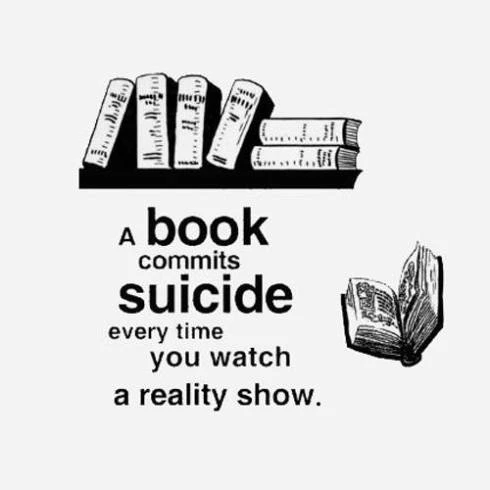
Who needs reality shows when you can read Behler books – unbeatable, unforgettable, soul-swelling memoir.
2 Comments | Fabulosity, publishing, writing | Permalink
Posted by lynnpricewrites
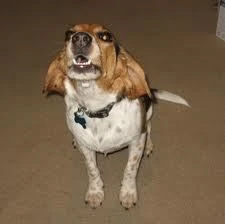
I’ve long insisted to the beagle that she makes for a lousy public speaker, but she persists anyway. Additionally, she knows next to nothing about how to get a speaking gig, so she tends to frequent the bars instead. Don’t let this be you. A lot of you are looking to book speaking engagements as a way to promote your books. From YA writers, who speak at schools, to black-hearted, soulless editors, who speak at writer’s conferences and writer’s groups, the first step is the Query. Yah, you read that right…another *&^% query.
“Here’s what I can offer you…”
And this query is just as important as the query letter you wrote to your agent or publisher because it boils down to someone has something you want. And this is where querying about speaking gigs gets dicey.
Never Beg: Most writers view this process as “Please, will you book me? I’m really really cool, and so is my book.” In essence, you’re begging. Never beg. You’re better than that.
Tepid: The other viewpoint authors take is one of a simple introduction, which comes off as tepid. “My name is Really Cool Author, and my children’s book, First Class Jeans is engaging and funny with the adventures of Jeanie, a well-used pair of jeans, who travels the world and talks about her experiences.” Ok, it’s a cute idea (totally made it up), but this is a new author without an established platform, so there isn’t a clear idea as to why a school should book the gig, other than teachers might enjoy a freebie hour off from teaching Social Studies.
What Can I Do For You?: Instead, new authors are more successful in booking gigs when they take the tact of “What can I do for you?” If you present clear ideas about your fabulosity, a school, library, hospcoffee shop, bar, etc. will jump in front of a speeding train to book you. Venues are basically looking for a reason to say yes, so a letter of simple introduction isn’t going to convince anyone.
You need something more. You need a solid pitch.
The Pitch
When I first started out doing writers conferences many moons ago, I knew that I wasn’t the only editor wanting to do seminars, so I took the tact of perfecting my pitch.
Over the years, I’ve collected 10 different seminars. Here’s a sample of what I send out to writer’s conferences
Sample
My name is Lynn Price, and I’m editorial director of Behler Publications – an independent trade press that is focused on nonfiction. I’ve been speaking around the country for five years on a variety of topics, which are based on my award-winning book The Writer’s Essential Tackle Box. I hope you find my subject matter of interest for your conference. In addition to doing seminars, I also sit in on pitch sessions, as I’m always looking for fresh, talented voices.
Seminar 1: “I’ve Written The End – Pass Me the Maalox”
- The Hook – what is it, and what does it do?
- Writing your Synopsis – “Oh God!”
- Elements that go into writing a no-snooze cover letter
- Submission guidelines – pay attention!
- Making your writing recession-proof by understanding your readership
- Promotion plan – whaddya mean I have to promote?
- Manuscript formatting
Three things people will learn by attending my seminar:
- They will learn the elements that go into creating a short but detailed query letter.
- They will learn details what editors are looking for in the submission process.
- They will learn the importance of understanding marketplace and the fallacy behind “If I write it, they will come.”
Seminar 9: Writing Memoir/Biography – Make Them Care
This covers the difference between writing something that has a small audience and capturing an editor’s attention.Topics covered:
- What makes for a big story?
- The “Who Cares” Factor/What’s the Point?
- Who are you, and what is your hook?
Three things people will learn:
- Authors will learn to study the marketplace and trends.
- Authors will learn to think about their hook and work on their platform.
- Authors will understand the importance of having a message.
Lynn Price’s Bio – Behler Publications
Along with being the editorial director for Behler Publications, Lynn Price is the award-winning author of Donovan’s Paradigm, and The Writer’s Essential Tackle Box. Since 2003, Behler Publications has been publishing best selling and critically acclaimed nonfiction about everyday people who end up doing extraordinary things due to a pivotal event that alters their perspective about life. Behler looks for books where readers say, “I’m a better/more thoughtful/smarter person for having read this book.”Bestsellers include Jan’s Story by CBS journalist Barry Petersen; Throwaway Players: The Concussion Crisis from PeeWee Football to the NFL by former Tampa Bay Buccaneers president, Gay Culverhouse; and Los Angeles Times bestseller KTLA: News At Ten With Stan Chambers by former Los Angeles news icon Stan Chambers.
In between her editing duties, Lynn is the irreverent voice of the Behler Blog, and employs two unreliable rescue beagles to serve as her secretary.
Now I’m not saying you need ten different seminars, but you should have several. Again, choice increases your chances that one of your seminars will attract the guy reading your pitch.
It doesn’t matter if you write fiction or nonfiction; there is always something you can pull from your book that will pique someone’s interest. After all, if Mr. Two Surfer Dudes could make lemonade out of what could have been rather lemony, then you can, too. Dig deep and use your marvelous imagination.
Consider your speaking gigs thoughtfully. Introduce yourself, give them a list of your seminars, and include a general rundown of what each seminar covers, and what audiences will learn. The added benefit is that you’re forced to think about your seminars with a focused intent with a intended outcome – that the audience will walk away with a lasting impression.
And before you sit back and cry, “Yabut, I’m a new writer!” I say so what? Just because you’re new doesn’t mean you’re unworthy. That’s the beauty of your seminar outline. It shows event planners exactly how marvelous you are. Go with confidence! This approach is the difference between hopey hopey to BoOya…gotta speaking gig. And speaking gigs not only sells books, but it puts you directly in front of your readership…and that’s about as delicious as it gets.
2 Comments | promotion, publishing | Tagged: promotion, publishing | Permalink
Posted by lynnpricewrites

I’m having one of those “In case of emergency, break glass” moments…however, between you and me, I think that box should contain a margarita dispenser instead of a fire hose, but I digress.
I’m seeking to put out a literary fire that’s trending in the Memoir genre, which is writing as a catharsis. Don’t get me wrong, I think writing as a form of catharsis is a wonderful, beneficial thing. But where I draw the line is when authors short-circuit the process and believe their work is ready for publication…hence my need to break glass because I do see this as an emerging trend.
Cathartic writing is the healing process of pouring out your heart and putting it to cyber paper. I so get that. If I’m really chewing on something and it keeps rattling around my brain, I take to my Word program and barf it out. That act of going from head/heart to cyber paper finally shakes whatever demons may be keeping me awake at night. It’s my form of catharsis. But that doesn’t mean it’s ready, willing, or able to hit the book stands.
Cathartic writing with the intent on publication is a wholly different thing. This is where the author must go from moving through her writing, using emotion as her fuel, to moving toward a business with conscious intent. And writing is a business. As a publisher who specializes in Memoir, I am inundated with authors who experienced something – be it illness, addiction, abandonment, unemployment, whatever – and decide to write about it. Their queries are almost template-like:
“When I was going through my (fill in the blank), I looked for a book that would help me. I couldn’t find any, so I decided to write this in order to help someone else.”
For starters, I see this paint-by-the-numbers explanation so much that my eyes glaze over. Reason being, rarely is this statement true. Cancer/addiction/abandonment/unemployment/divorce/etc. has been written about to ad nauseum. This kind of explanation tells me they haven’t done any research on their particular topic because their writing came from a place of healing.
In other words, they aren’t looking at their writing as a business. They’re writing because they’re wounded in some manner and want to write about it…and this doesn’t necessarily make for a marketable book. Hence, I write far more rejection letters than I do asking to see pages.
Define Yourself
Hobbyist or Hell-Yes-Katie-Bar-The-Door: Really, this appeals to all writers, not just those writing memoirs. Define your writing intent. Are you a hobbyist writer who loves the act of writing, but have no interest in going anywhere with it, or do you believe your story has merit and you’re willing to shift your thinking into doing what it takes to be a published writer? Honesty is the best policy here because it’ll save a lot of time and tears when/if you decide to query.
Expectations: In knowing how to define yourself, you need to be aware of publishers’ expectations. Publishers are professionals, and they look for authors who are equally professional. This means that you understand how the publishing business works, what is expected from you, and what you should expect from your publisher. It’s achingly hard to teach an author the rudiments of editing and promotion. Some catch on very quickly and embrace it. Others freak out and question themselves at every turn.
First off, be prepared to be edited to within an inch of your life. Editors will make editing suggestions (“I don’t understand the relationship between you and this other character.”), and it’s incumbent upon you to know how to make those changes. This requires the talents of a writer who’s serious about their craft. I can’t tell you how frustrating it is to work with authors who have a good story but don’t understand the technique of writing.
If you’re serious about your writing being a business, then please make sure you don’t embarrass yourself by not having a handle on story organization, character development, plot structure, etc. This will ensure your editor’s head doesn’t explode.
Promo/Platform Talents: Successful writers are active with their promotion. A publisher’s marketing and sales teams can only go so far with distribution and marketing a memoir if the author chooses to remain uninvolved. First thing they ask is, “What’s the author doing?” If I say, “He’s sitting on his padunk-a-dunk playing Spider Solitaire,” then our sales teams are gonna be laughed out of their zip code.
Define your strengths. Some authors are great at writing articles for magazines, while others have discovered their inner hambone and enjoy doing seminars and talks. Does your memoir have topics from which you can pull that would make an effective seminar?
Whatever your strengths, it’s never too late to begin formulating that plan and putting it into action before you think about querying. For example, a friend of mine got a six-figure/3 book deal based solely on her platform. She’s not a household name, but she’s definitely out there, and a recognized expert in her field. Her agent had only the barest of an outline to pitch to editors, yet Penguin snapped her up like a hot potato. That’s because my friend treated her writing as a business. And since she is steeped in the business world, she didn’t want to rely solely on her publisher to make her success happen. She took control, and Penguin loved her more than life.
Reshape Your Thinking
Confidence: If you’ve defined yourself as a serious writer, then you need to reshape your thinking from writer to business person. Let’s face it, writing is a lonely, solitary endeavor, and you probably ask yourself if you’re worthy. This normally comes from a place of inexperience and lack of research of your competition. Sadly, this lack of confidence usually shows up in query letters or author/editor conversations.
Instead of asking yourself if you’re worthy, maybe it would be healthier to channel Stewart Smalley; “Of course I rock. I’m good enough, I’m smart enough, and doggone it, people like me.” But don’t forget that you have to have the goods to back it up, and that takes research of the very thing you’re writing about.
Research: My friend has been in the process of finding a new job. Each interview request she’s gotten, she’s done extensive research on the company, the management, and the person interviewing her because she wants to be fully prepared. But more importantly, she wants to stand out from everyone else the companies may be interviewing. There’s no denying that she knows her stuff, but if she knows the VP graduated from UCLA, then she can have some fun with him because she graduated from USC (major cross-town rivals). Is this brown-nosy? Depends on how you perceive brown nosy, I suppose. But the VP is human, and there’s nothing wrong with going off script a little in order to gain some memorable footing. She hopes he’ll remember her, and that speaks volumes when there are more people looking for jobs than there are open positions.
The same can be said about publishing. Do your homework and research your competition. Is your particular topic impacted, and if so, to what extent? If it’s been done before many times, then it’s your job to analyze what elements make your story unique. And it has to be a big “unique.” Your book about your family member’s Alzheimer’s doesn’t make it unique. However, if your book is about Early Onset Alzheimer’s, then you’re talking about a much smaller population of those kinds of books.
It’s hard to reshape your thinking because you’re entering unknown territory. You’re daring to go from writer of a specific experience to being a business entity who will help promote that experience, so you need to ask yourself how badly you want it.
Be Clear in Your Head: Authors are often wounded souls, and writing their memoir is often a catharsis. I’ve known many writers who have been penning their works for many years, yet they remain hopeful about eventual publication.
Writers taking that long to complete their memoir have mental hurdles that are preventing them from finishing their manuscripts. They’re not ready to let go. I’ve seen a number of queries that stated how the author had been working for eight years on their project, and voila…here it is! It’s a pass for me because I’m fairly certain they have no other books in them waiting to be written. They’re a one-book trick, and I’m looking for authors who have multiple books in them. A writer who looks at their writing as a business finishes the book in a timely fashion, or they stick it under the bed and start a new book. They don’t normally work on that one book for many years.
If it’s taking you years to complete your memoir, then you should ask yourself whether you’re ready to move on. If you’re still wounded and need help, then get it because you’re defeating your own road to success. You’ll never be able to move to Business Person because you’re still in the Cathartic Stage. What’s worse, is that you’ll never understand why you’re getting so many rejections, and this is where a lot of writers decide to self-publish.
It’s ok if you want to self-pub, but you must be very clear and knowledgeable about what self-publishing entails in order to enjoy any measure of success. Otherwise, you’ll disappear into the morass of other poorly thought out, poorly written books already populating the online stores.
In order to write, it helps to have a clear head. If you’re in the Cathartic Stage, then embrace it because it’s where your feelings are the most raw and honest. But if you’re serious about your writing, you need to eventually move and grow. Get clear and define yourself so you can move forward to the Business Stage, where the real success happens. Now go forth and be brilliant.
2 Comments | memoir, publishing, writing | Tagged: memoir, publishing, writing | Permalink
Posted by lynnpricewrites
You are currently browsing the Behler Blog blog archives for June, 2013.
 Behler Blog
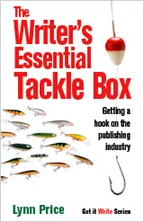 If you want the inside scoop on what floats our boats, The Writer's Essential Tackle Box is a must have.
"Hot Read" in OC Metro Magazine
Also available in Kindle
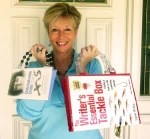
Look, Ma, I haz purses - click for larger view
Want to publicize your awesome new book? Do it with one of the beagle's cover art purses.
Click here for details.
Lynn Price: I am the editorial director for Behler Publications. This blog is about sharing information, advice, observations of various things that cross my desk, and getting a little silly sometimes.
Interview with Lynn Price
Quoting me?
Feel free to quote from my blog so long as you email me for permission, properly attribute me and post my link.
Email
I'm better off with email (lynn-at-behlerpublications.com) since my secretary, an unreliable beagle, normally ignores the phone - pleading the opposable thumbs issue. She's really only good at three things; mixing margaritas, copy editing, and sleeping on the job.



Click on cover for link
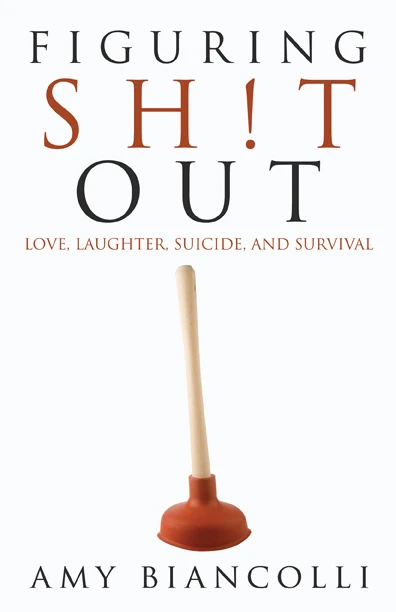 Amy Biancolli slams into widowhood wondering how fix broken doorknobs and dishwashers and discovers how to fix her broken heart.
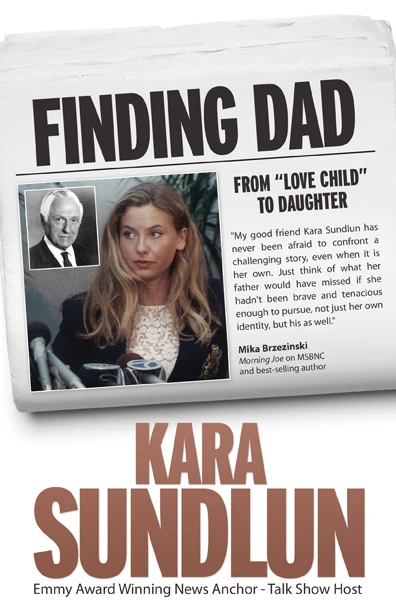 73-year-old, war-hero-business tycoon-politician and a Midwestern high school girl survive the scrutiny of spotlights, and build a loving father-daughter relationship.
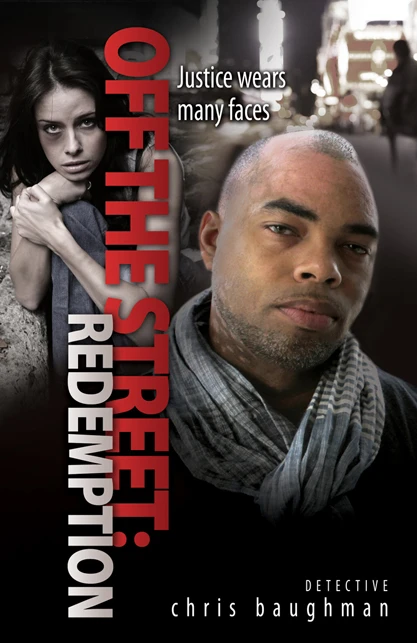 Chris Baughman fears his case against Mario Davis, a sadistic pimp and former high school friend, is slipping away when two brutalized victims are afraid to testify. Through countless hours, Chris fears a verdict that will offer no justice for the two young women. The tough lesson facing Chris is that justice sometimes offers a different kind of justice.
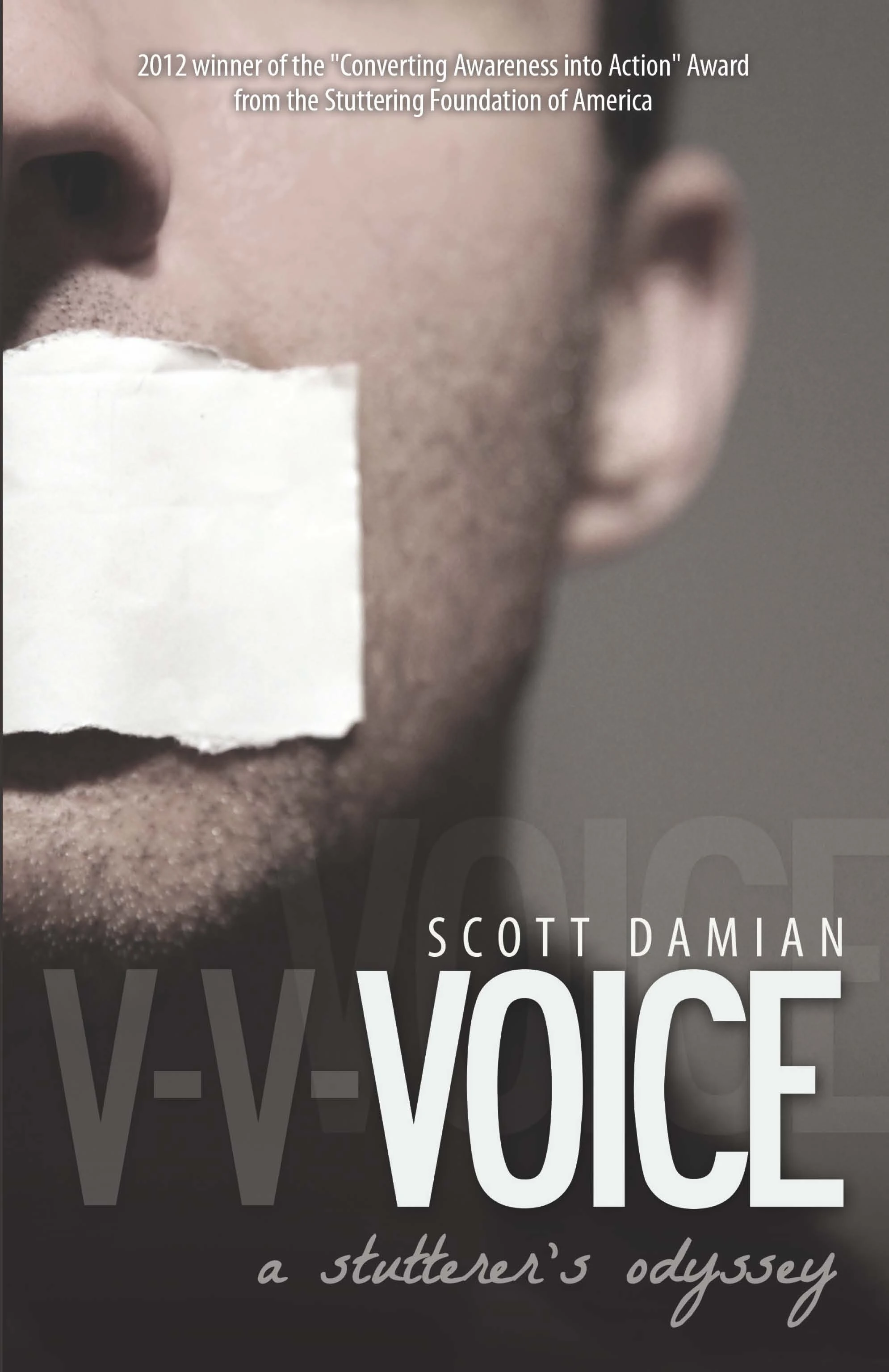
All his life, Scott Damian was imprisoned by the terror of being unable to utter a single word, until he transformed into a highly successful actor and writer. Scott speaks to the heart and soul of a stutterer, and addresses healing, help, and hope for the millions who are similarly afflicted.
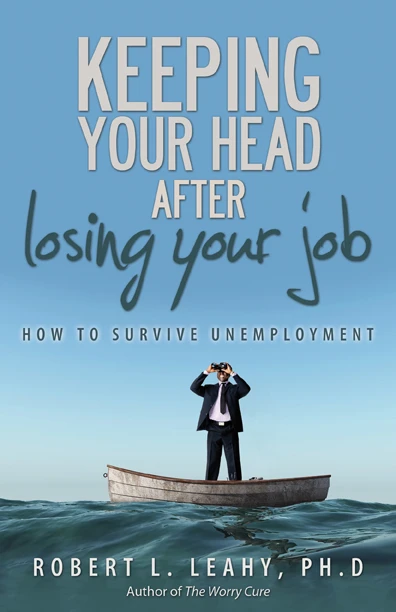
Dr. Leahy’s successful techniques help you boost your self-esteem and confidence, decrease anxiety and feelings of helplessness, and develop resilience and strength during your unemployment, and live your life more effectively once you get a job.
Melissa visits Africa for animal conservation, but a cast of unlikely characters teaches her about grief, fear, and life
Heidi’s horrific accident burned over 53% of her body, claimed both her legs, and killed her best friend. Her year of countless surgeries, surviving, pain management, fighting, and loss is incomplete until she finally faces the driver, and Heidi realizes she has one last hurdle; forgiveness.
By all rights, Father Joe Bradley should be dead. If past usage of beer, marijuana, and cocaine didn't do the trick, then certainly dilated cardiomyopathy should have.
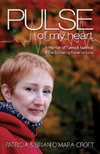
Moving memoir about unconditional love and blunt honesty that defines a new normal for Heart Couple, Brian & Patty O'Mara-Croft.

Stirring memoir byf Ann Meyers Drysdale's and her winning attitude of achievement and happiness
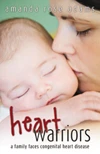
Amanda Adams' passionate and riveting story of what it means to be a Heart Mom for her son, Liam, whose 12 surgeries marked the first 8 years of his life.