I know where I’m gonna be…

August 31, 2011

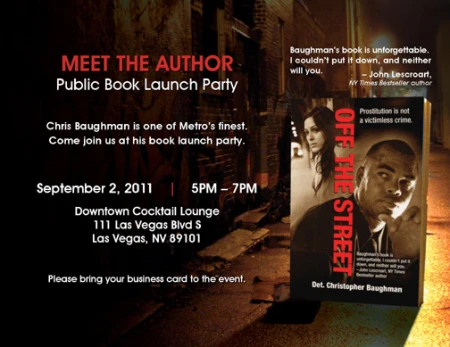
We are bugging out of town early Thursday morning to go here:

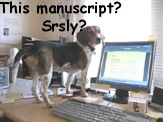
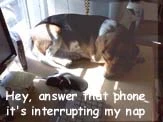
And yes, I’m leaving the beagle at home. Last time we took her on a road trip, we had to post bail and pay off the newspapers. I seem to remember a Dalmation was scandalized as well. Ah, good times.

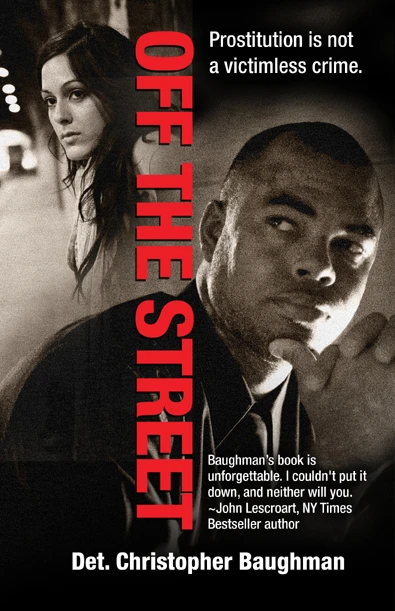
So if you’re in Las Vegas, come on over and meet a wonderful man, Chris Baughman, and pick up a copy of his fabulous book, Off the Street. We’ll even let you make a crank call to the beagle.


Everyone loves a winner…think sports…

August 30, 2011

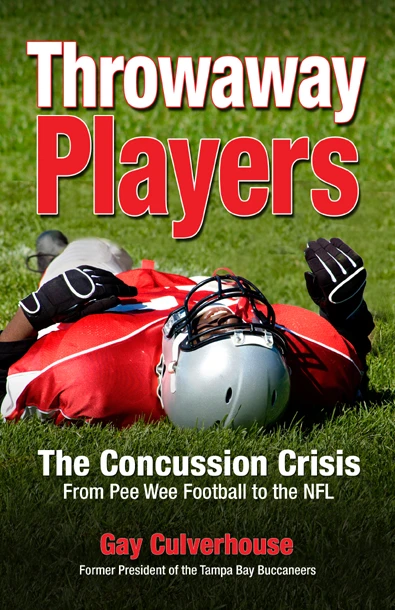
…and you won’t go wrong picking up a copy of former Prez of the Tampa Bay Buccaneers Gay Culverhouse’s wonderful new book, Throwaway Players: The Concussion Crisis From Pee Wee Football to the NFL.

Concussions just aren’t for the big boys with hamhocks for hands – they happen to anyone who plays a sport. What’s more, is a concussion isn’t something you “walk off” or “get over it.” It can res-cramble your brain and affect the rest of your life. Gay’s book is for parents who have kids in sports, and for anyone who plays a sport. You need to know about what goes into making decisions for buying equipment for PeeWee, high school, and colleges. You’d be amazed.

Gay has a wonderful interview and review from Brooke de Lench, who has a fabulous site Mom’s Team.

Pick up a copy of this thought-provoking books today.


Something to tuck under your hat…remind me who you are!

August 27, 2011

If you talked to an agent or editor at a writer’s conference and they invite you to send pages, it is so helpful when you jog our memories about the conversation. All too often, I get emails from Jane or Joe Author, telling me that they met me at ABC Conference and how I invited them to send me pages, only they don’t include the context of our conversation. We talk to so many people at conferences, and it’s hard to remember every single one. A good plan of attack would be something like this:

Dear Amazing Editor,

It was great meeting you at the Oh-So-Cool Writer’s Conference. We sat in the bar and shared some laughs, a couple of pouty white wines, and a plate of chicken satay. After talking about my book, you invited me to send you the first three chapters of my book, The Great American Novel, a story about Doris Dumphey’s journey of traveling the Continental Divide with her dog, Barfy, a runaway nun, and a hippie cover designer. I’ve attached my proposal and first three chapters to this email.

Regards, Brilliant Author

What this does is tell me how I met you, where I met you, what we talked about, and the quickie rundown of your story. I’m not completely brain-addled (or so I hear), and this bit of detail will jog my hard drive.

This is far better than the “gosh, I’m so sorry we weren’t able to connect at the conference, but you did mention that you wanted to discuss my book – so here ya go!”

Yikes! I invite a LOT of people to discuss their books, and I have no idea which one you are. I wish I did, and I feel like a lummox for not remembering you, but writer’s conferences are like speed dating, and one is lucky to remember their own name come Sunday. So, like, help a gal out, ‘kay?


It’s the little things – #color-me-annoyed

August 27, 2011

#color-me-annoyed:  When I see three different fonts in your query letter, I know you’ve cut and pasted – which is no big deal – but boy, is it ever annoying and unprofessional looking. It’s the literary equivalent of your bra strap sloughing down your arm.

#color-me-annoyed:  When you write your pitch, you don’t need to litter Wikipedia links throughout. Truly, I know what a Japanese woman is, I know where Belfast is, and I do know what happened at Dunkirk in WW II. Not only do these ridiculous links make your pitch hard to read, but I begin to wonder if you’re trying to sell a story or give a history lesson. Avoid this. Really.

#color-me-annoyed:  “My book compares to Eat, Pray, Love…” Shoot me now and blind me with eye bleach. In the past week, I’ve had no fewer than fifteen manuscripts use this as a title comp.

Note to authors:  Avoid comparing your books to  JKR’s Harry Potter series, Dan Brown and his DaVinci Code, or Elizabeth Gilbert’s E,P,L. They did it. In fact, they own it. You do not compare. Really.

#color-me-annoyed:  You put this in your query – “I would like it printed in standard memoir size (6” x 9”).” Guess what? The trim size isn’t your call – nor is 6 x 9 “standard” memoir size.

#color-me-scared:  “I plan on querying you the minute I finish writing my book.” Noooo…please, Oh Holy and Wise Cosmic Muffin, let this not be the case. Please intervene and let the book marinate for a spell, and then let the author go back and revise. The only fresh thing I want is a margarita…

Really.


#gratefulfriday – My distributors

August 26, 2011

It’s been a few weeks since I did a Grateful Friday post. Today is dedicated to my distributor. In a word – I love them. A lot. To put in terms that anyone can understand – being with my distributor is like driving a Maserati instead of a Yugo.

I think the reason I love them so much is because we’ve driven a Yugo with our prior distributor. We spent a year in Purgatory with those yahoos, and I can honestly say that NO distribution would have been better. After being away from them for nine months, we are still haggling with them. They’re like the proverbial wet booger than just sticks on your finger and won’t flop off.

Our current distributor, OTOH, is brilliant, connected, and savvy. Because of them, our footprint has grown – and it’s taught us that the old axiom of “people judge you by those you hang with” is true. All of a sudden we have much bigger street cred. And I feel the quality of our books bears that out.

Because of these darlings, I’ve had radio stations calling from all over the country wanting to interview the author of our #1 title for the Fall/Winter season. I’ve received requests for book reviews on backlist titles because they are constantly out there pushing all titles, not just the frontlist.

We have joined in with co-op advertising and taken advantage of having our books showcased at bookfairs that are geared especially toward our specific market. I’ve had publicity folks give advice and help to some of our authors – the cool stuff never stops with them.

I can email them at any time about cover art advice, and I’ll always get tons of feedback. If someone reads an article that’s germane to one of our books, they send us the link. We have sales meetings every season with no less than fifteen people – all picking and poking in order for us to put out the strongest books possible. They are our eyes and ears, and they’re always hooked in and primed for action.

And this is why I will always defend mainstream publishing over those who go it alone. It’s a numbers game, and those pondering going it alone needs to consider whether they’d rather have a team of fifty who are all experts in their field backing them up, or a team of one, which consists of just the author?

I adore this business, I adore my writers, and I adore the guys who make it easier to get our books out to the marketplace. Consortium, you rock it.

How ’bout you? Are you grateful to a team of somethings who made your life worth living, or simply just made you smile?


Open Letter to Agents Addendum

August 24, 2011

I’ve heard a little bit of blowback from my Open Letter to Agents post. I never anticipated that I’d come through that post without some bruising, but I heard from a couple agent friends of mine whose prospective clients read my post and misinterpreted the part where I talk about the Book Proposal.

I’d like to clarify this point here and now:

AUTHORS – YOU SHOULD KNOW HOW TO WRITE A BOOK PROPOSAL.

Why? you ask? I’ll give you six reasons – all of them are previous posts that I’ve written about what book proposals are, why they’re vital, and how they can make you smarter, smell better, have whiter teeth, fresher breath, and will win you friends all over the world.

But the main importance of knowing how to write a book proposal is this:

IT WILL TAKE YOU FROM THE WORLD OF WRITING TO THE BUSINESS OF WRITING.

Don’t ever kid yourself – writing is a business. It’s not about fuzzy kittens and gooey mushy nothings over the phone. It’s hard work that involves icky things like marketability, competition, platforms, distribution. Writing a proposal forces you to think like a business person, not a doe-eyed author looking for rainbows, soft clouds, and warm muffins from your editor.

If your agent signed you without a book proposal (depending on genre, of course), then consider yourself lucky. Agents are all different, and some won’t sign a client without the author providing a book proposal. But if your agent tells you they need you to write a book proposal, then I cannot urge you enough to WRITE THE DARN PROPOSAL. You’ll learn a tremendous amount about your book, and you’ll make your agent happy. In turn, that agent will make me happy.

Your agent will use your proposal as a foundation to send off to scuzzy little robots like me – who scream bloody murder for proposals. If you have the temerity to go grouch muffin on your agent when she asks for a proposal then you’re revealing yourself to be a prima donna and truly not serious about your writing future.

I’ve said it before, and I’ll say it again – even if you write mainstream or genre fiction, it NEVER hurts to write a proposal because it consists of information that you’ll need at some point in your promotion.

What goes into a book proposal? I thought you’d never ask:

  1. COVER SHEET (title and subtitle of book; genre, word count, author’s name, address, phone, fax, email)
  2. CONCEPT STATEMENT (optional—briefly state the target audience, why they need this book, why your book is unique or timely, why you are an authority on the topic, and what your book offers that other books don’t).
  3. OVERVIEW (how you came to write the book—weave in attention-getting facts; this must be the most compelling part of your proposal!)
  4. PURPOSE OF THE BOOK (what will your book do? what need will it fill? how will it benefit readers?)
  5. THE MARKET/AUDIENCE (who will buy your book? why do they want or need it? give statistics)
  6. COMPETITIVE BOOKS (what else exists? where is it shelved? how is your book new and better? how does your book differ from all other books on this topic?)
  7. MARKETING OF THE BOOK (bookstores, book clubs, Internet, clubs, associations; if applicable—these are sales outside of a bookstore environment such as retail store chains, specialty stores, catalogs)
  8. PROMOTION & PUBLICITY (list newspapers, magazines, TV & radio stations that the publisher should contact)
  9. AUTHOR’S PROMOTIONAL CONTRIBUTION (list everything you’ll do to make the book successful; be sure to include all of your ideas for author appearances and events)
  10. COMPLETION OF THE BOOK (state that “x” months from date of contract you will deliver the manuscript—usually a 9-12 month period is allowed)
  11. SEQUELS (optional—list 1-3 other projects that interest you and that have a large audience)
  12. ABOUT THE AUTHOR (your background and experience; why you are the best person to write the book)
  13. THREE SAMPLE CHAPTERS (your first three chapters)


What are you doing this Thursday? Listening to Chris Baughman, I hope

August 23, 2011

TRAFFICKED on Here Women Talk Radio this Thursday at 1:00 PM Eastern/ 10 AM Pacific -
Chris Baughman and his book Off the Street

click here to listen. Listen by phone at or 1-877-500 ZEUS (9387)

Author and Las Vegas Pandering Investigative Team ( PIT) Detective Christopher Baughman writes about the case against a pimp named Anthony Smith, vividly brought to life in Off the Street, which led to the PIT unit’s creation in 2009. Less than a year later, Baughman’s team had arrested and convicted several of the wealthiest and most violent criminals in the city, propelling the team into the national spotlight with several segments on “Dateline NBC.” The team also served as consultants for an episode of the CBS drama CSI: Crime Scene Investigation.

Baughman and the PIT team draw cooperation from city, state and federal law enforcement offices, cracking down on those who abuse women and force them to lead a life of prostitution. His painstaking investigations for the vice unit have even resulted in the arrest of his own former high school classmates.


Open Letter to Agents

August 22, 2011

Dear Agent,
First off, let me tell you how much I love you and your brethren. You make my job so much easier because you have vetted your author, invariably taken their manuscript through a couple edits in order to make it clean and spiffy. Oftentimes you make my life worth living when you bring me amazing authors whose stories humble and educate me. Compared to my authors’ lives, I’m a small bug.

The Query:  But there are times when you frustrate me beyond words. Just because you work at a prestigious literary agency doesn’t mean your query letter doesn’t need to be captivating. Your take-it-or-leave-it-I’m-too-cool-for-school attitude doesn’t impress me. It doesn’t matter what you letterhead says, I’m all about the book – not you, per se. Because I’m all about the book, I find it really unhelpful when you don’t include the basic niceties such as word count, genre, or whether the book is complete.

Be prepared:  You may not realize it, but that kind of response makes it appear that you don’t take your author or me seriously. I can almost forgive authors not being completely prepared, but I do hold you to a much higher standard. If you don’t come to my inbox prepared, what kind of impression do you think that leaves with me? Does it matter to you what I think? I know there are some who don’t care, but I always make sure to show you the utmost courtesy, so don’t you think I deserve the same?

Book proposal:  I know we’re all busy and trying hard to make a buck, but that book proposal I asked for needs to be a full proposal. That means we need a promo plan, suggested markets, title comparisons, how far along the manuscript is, estimated time of completion, word count (estimated in cases of an unfinished ms). We don’t need that information just to be a pain and force you (or your author) to do more work. We use that information during submission meetings, when we submit information to our distributors, sales, and promotion teams, and when we send out TIP sheets to reviewers.

When you send me three pages of overview, this is only a small piece of the puzzle, and it forces me to email you back and ask for the rest of the proposal. If I have to do this several times, I conclude that you either don’t care, or are too important to give me what I need in order to fully assess whether your author is the best thing since sliced bread, or not a fit for us.

Likewise, if I ask for a proposal, it’s hard to take you seriously when you say, “Oh, I didn’t write one,” and then never offer to get right on it. It leaves me wondering if you are trying to sell this manuscript or simply throw a dart out into the cosmos, hoping to hit a star. Equally gobsmack-worthy is the “Let me have the author write that up for you.” Why would you put your author in charge of doing something that’s clearly your job? Chances are high your author doesn’t know what goes into a proposal. The problem is compounded when you don’t even read it, but simply send it to me.The quality of the proposal makes me wonder if you care. And if you don’t, then why is the author your client?

Communication:  Since we don’t have the luxury of meeting each other in person, I depend on your emails to be detailed and informative. Your email is a window to you and your author, just as much as mine is the face of our company, so I really appreciate it when you put a lot of thought into your communication. You are the go-between, so your author and I expect nothing less.

Rejection:  If we offer a contract and there are points that both sides are too far apart, there’s no need to be insulting or arrogant. That’s why God invented negotiations. I’ve bought wonderful stories from big agents, so you don’t get to play the “I’m sooo better than you.” Do you think I’ll ever consider anything you might have down the line if you stick your nose in the air and pretend that I’m a bug to be squashed because we don’t offer six figure advances? Surely you realized that before you queried me.

I realize you make very big sales, but not all books are six-figure capable, and there might be a point when my company will look very good to you and your author. And if I see your name in my inbox, I’ll remember how you treated me, and politely decline to review your author’s book. Sure, I may be cutting off my quill to spite my exclamation point, but you’ve already shown me who and what you are. Once burned, shame on you. Twice burned, shame on me. I have a long memory, and I won’t forget you.

Ours is a business of relationships, and just because you’re hot stuff now doesn’t mean you’ll remain at the top of the heap. Your journey down may be long and lonely. What’s worse, is that your author will never know any of this.

Prepare your authors:  It would be SO helpful to your authors (and us)  if you discussed how the publishing industry works with your authors. I know time is at a premium and you’re busy with all your authors. But there are numerous times when I realize authors are ill-prepared to go from your loving arms to mine, and the production process can be challenging because they have no idea how to navigate.

I’ve been surprised numerous times by the questions I’ve been asked or the expectations authors have regarding how publishing works. Of course, I always try to explain the entire process, but these questions/expectations can make for some hard conversations because authors tend to believe their agents instead of their editors. If you haven’t done anything to prepare them, then I’m sometimes put in the unenviable position of looking like I don’t know what I’m doing – which is hardly the case. These instances leave me wishing they had been better prepared. Educating our authors is a shared job, and I love it when an author says, “No worries, Agent ABC explained how this works.”

Contracts:  I know this is a silly thing, but we deal  with you during contract negotiations, so I feel you should be the one to handle the back and forth of signed contracts. I shouldn’t receive the signed contract from the author – you should send me all three copies (yours, your author, and ours), where we will sign all three copies and send you back two.

If you email me wondering where the signed contracts are, it becomes a game of “Who’s got da contracts?” which irritates the beagle because I make her track it down. In order to avoid confusion like this, you should assume this role, and leave your author out of it.

Platform:  If you represent nonfiction, you know publishers look for author platform – so I really appreciate it when you don’t get upset when I ask about it. This is the way of publishing nonfiction, so you shouldn’t be surprised by it. This means you need to include your author’s platform AND discuss its importance with your author. Help them understand how this ties into knowing who their target readership is and why it’s so important to us.

Referee:  Agents are sometimes put in the position of being in the middle of their author and the editor because there is a breakdown of the relationship. We all know how emotional publishing can be, and personality clashes do happen. Editors try very hard to repair or prevent a breakdown, but sometimes it’s unavoidable, and this is where you step in to be the neutral ground. I understand it’s difficult because your first duty is to your author, but you also sold us the book.

I may have already reached the point where I’m ready to walk away. No one wants that, but problems sometimes arise, and your author will only believe you. If you don’t step in and back up what I’m telling our author, then the relationship erodes to the point where all communication stops.

This means that I don’t get promo updates or even know what our author – your client – is doing. If I get an email from my sales guys asking what’s going on, that sales have either jumped way up or nosedived, I look like I’m nuts because our author won’t communicate with us anymore. If I don’t know what’s going on, how can I effectively continue selling the book?

If you don’t step in, then I get to the point when I will no longer lift a finger to help the author or their book. This helps no one’s bottom line, but no one gets paid enough to be treated like bantha fodder. For all concerned, there are times when it’s best to have all communication go through you, so I love it when you step up to the plate to preserve a frayed relationship.

In closing, what concerns me the most are the times when I shake my head and feel badly for authors whose agents failed them on so many counts because they’ll never know how shoddily they were treated. My biggest hope is that every author has the stellar treatment that I’ve seen time and time again by you hard-working agents. But some of you are phoning it in…just barely…and it isn’t right.

We share a common goal to have successful books, so doesn’t it make sense that we work together to make that happen? We all got into this crazy business because we love books, and we love the brilliant authors who write amazing stories. Our lives are insane-crazy, but it all goes down so much better when we stick together for the common good. Thank you for being wonderful. I hope it continues.

Regards,
Lynn Price

“I have a surprise for you.”

August 19, 2011

If it’s my hubby uttering those words, I get all silly goofy like. When I hear it from an author, my hands shake, and I break into a cold sweat.

Years ago, I heard those words  from one of our authors, and every now and then I have flashbacks that leave me sucking my thumb and begging the beagle to mainline me with an entire pitcher of margaritas.

The Surprise:

We had a two book deal with this author. Things were going fine and dandy until he turned in his manuscript. I opened my email and saw that his manuscript had twins. I emailed him back.

Me:  Um, why do I have two separate manuscripts?

Author:  Oh, that was my surprise! I couldn’t say everything I wanted to say in one book, so I turned it into two. You’ll love it. The first one is a real cliff-hanger that’ll have readers clamoring for the second one.

Me: <thud>

Right off the bat, he said two of my least favorite words - two books and cliff-hanger. It’s true that I had a two-book deal, but we were working on his branding, and I was expecting to do this with two separate stories (he was a surgeon). Suddenly, I only had one story split in two, and this wreaked havoc with all the hours we’d put into planning his promotion.

Me:  Dude, I can’t use a cliff-hanger…these are achingly hard to sell because you’re not an established author. If readers know they won’t get instant gratification (Like we’d friggin’ discussed), they won’t buy the first book. So all your plans for the second book are mudville because we’ll have no buyers for the first one. Argghh. What possessed you to do this?

Author:  Well, the word count was getting high, and you told me you wanted me to keep it below 100k words. By the time I wrote 180k words, I decided to split it rather than edit stuff out.

Me:  But your second book was going to focus on a completely different storyline. We discussed this! Why didn’t you come to me?

Author:  Not to worry – this is a fabulous story. Besides, I didn’t think you’d freak out over this.

Me (praying to the Cosmic Muffin for strength):  Beagle, get me a drink. STAT.

The Blowback From a Surprise

See, the thing is, my doc author was clueless about the headaches he was placing on me because he didn’t know anything about the industry. And his “Hey, no biggie deal” attitude infuriated me because he was in no position to know whether it was a “biggie deal” or not.

He never took into consideration that instead of reading one manuscript, I would have to read two in order to determine if we could make them stand-alone books.

Because I had to read two books, we had to alter our release date for the first one. My author was very unhappy when I explained the situation. He refused to consider any changes, and he left me with no choice but to dissolve the relationship. After all these years, he remains unpublished, which is tragic.

To Surprise or Not to Surprise

Here’s the thing: NEVER EVER EVER SURPRISE YOUR EDITOR. Unless you plan on sending her flowers, candy, or a trip to Hawaii, there is no surprise that will prevent her from tearing her hair out and offering truck drivers good money to run her over.

We are your editors, and this means that we MUST be involved in every decision that impacts your book.

Authors have no idea what goes on in the background, so what may seem no big deal to them is a very big deal to us because we’ve spent long hours with our marketing teams, distributor, genre buyers, blah, blah, blah. If an author decides to change the game plan, s/he is upsetting a very large applecart.

So when in doubt…talk to your editor FIRST because I can guaran-damn-tee you that this is a surprise she will not love. At. All.


How to make an editor happy – Part Deux…

August 18, 2011

How to make an editor happy….

How to make an editor giddy and silly-like…

After being in stock for only three days...

And what’s fun is B&N ordered 250 units.


Follow

Get every new post delivered to your Inbox.

Join 963 other followers

Powered by WordPress.com