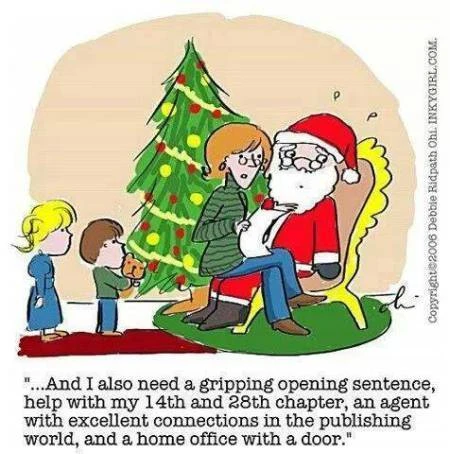
Behler Publications and the Rescue Beagles wish all you wonderful writers a Merry Christmas!
Behler Publications and the Rescue Beagles wish all you wonderful writers a Merry Christmas!
 4 Comments |
  publishing |
  Permalink
 Posted by lynnpricewrites
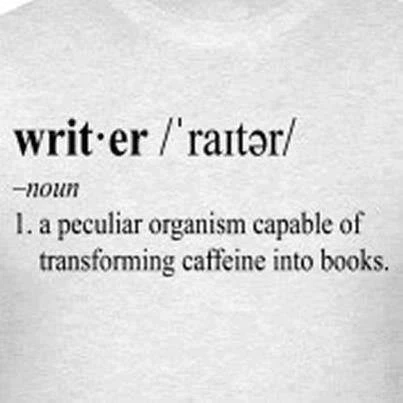 Well, I was gonna say wine…
1 Comment | authors acting silly | Tagged: publishing, writing | Permalink
Posted by lynnpricewrites
I received an email from an acquaintance who received a contract offer with an alarming clause, and he wanted to know if this was a standard clause.
In a nutshell, the clause forbids the author from submitting subsequent similar stories to other publishers – or self publishing it. All stories that are deemed “similar” fall under the jurisdiction of that publisher and must remain with that publisher.
Now, this is entirely different from a First Right of Refusal clause, which simply states that the author must give their publisher the first right to review subsequent manuscripts, and reject it or offer a contract. I wrote about it here,
This is far more overreaching, so I’ll explain the pitfalls:
Definition of “Similar”
There is no definition of “similar,” in the contract, so how is the author supposed to understand what falls under the current publisher’s purview and what he can submit elsewhere? Are they talking about genre, plot, characters, setting? Further muddying the waters is, how does the publisher possibly enforce that clause with such dubious wording?
Many authors write in the same genre, so if an author writes YA distopia, does this clause grab all of the author’s future YA distopia? Or are we talking the characters? Without having this clearly stated in the contract, the author is walking a tightrope without a safety net. The worst of all is that the publisher has ultimate control over what they deem “similar.”
Authors can’t be held to a moving target. Define by what is meant by “similar,” then maybe there’s something to work with. However, at that, I would never, never, never suggest an author sign such a ridiculous clause in the first place. And, frankly, I would question any publisher who would put that into their contracts.
Author Freedom
My friend’s acquiring editor told him this clause is meant to help grow the author’s career by cutting down on cases where the author could find themselves competing against their own work by having similar books at different publishers.
Personally, I think this is a load of camel slop because first and foremost, the publisher is inhibiting the author’s freedom to do what he wants with his writing career. What this really does is help the publisher corner the market on that author’s “similar” works, therefore ensuring maximum sales for the publisher…which, in theory, is good for the author.
And sure, I can imagine the frustration a publisher would have seeing one of their authors give another publisher a similar book. The original publisher worked hard to establish the author’s platform in the marketplace, and now they have competition. And my answer to this is that it’s incumbent upon the publisher to be so freaking fabulous that the author wouldn’t think of going anywhere else. It should be a relationship of fabulosity, not force.
You do not, not, not take away an author’s freedom. It sends a terrible message, and…well…it’s rude. A publisher is either up to the task of doing good things for their authors, or they’re not, and the author should have the ability to move on if they want. Good publishers don’t keep their authors by force.
Publisher Suckosity
And this brings me to another point. Publisher suckosity. What if you sign a contract with this clause and you find out down the line that the publisher isn’t doing a good job in promoting, marketing, distributing, and selling your book? The clause makes you their writerly slave.
Signing a contract is a happy happy time, filled with daisies, puppies, and rainbows. Authors never imagine the possibility of a Dark Lord of Suckosity surfacing, bringing slobbery, murky, bloaty gnomes whose sole job is to make you wish you’d never picked up a quill.
So the worst case scenario is that not only have you discovered the Dark Lord of Suckosity, but this lousy clause ties you to them with lightning bolts.
Any clause that gives the editor control over deciding what “similar” means is meant to favor the publisher. Trying to insist that these clauses are meant to protect the author is publishy-speak for, “Gee, I hope they didn’t see through my smoke and mirrors.”
This clause puts you in a Demilitarized Zone – you’re not free to take a step forward or backward because they own your soul and tell you what you can and can’t write.
My advice to my friend was to run. Far and fast. And if you see a clause in a contract, I urge you to join my friend. Stay safe, dear writers!
4 Comments | contract negotiation, contracts, publishing, writing | Tagged: contracts, publishing, writing | Permalink
Posted by lynnpricewrites
 Ok, so you’ve been writing like good little authors, and you’ve hit a dead end. The perfect antidote to writer’s block is sugar, and I have to say these little beauts more than fill the bill.
Anyone who knows me knows that I avoid the kitchen like a participle looking for its dangle. However, I’ve had these two foolproof…and I do mean foolproof…recipes for English Toffee and Mounds Bars. I used to make candy every year for Christmas, but somewhere between editing and book distribution, the candy making went the way of the dinosaur.
Until this past weekend, and I went nuts. Ok, I’ll admit that I couldn’t find my original English Toffee recipe, so I used another one and proceeded to burn two batches. Yes, smoke and fire alarms are the quintessential Pricey. Then I found my old recipe, and voila…perfect toffee.
The Mounds bars were a new addition, and they’re killer. So I’ll share with you, so you can have some fun in the kitchen while that plot twist rummages around in your brain.
Oh, and don’t forget to buy a candy thermometer.
ENGLISH TOFFEE – Makes a buttload
2 cups butter
2 cups white sugar
1/4 teaspoon salt
2 cups semisweet chocolate chips
1 cup finely chopped almonds (I used crushed walnuts)
Directions
Idiot-proof English Toffee. Holy garbanzo beans, it is fabulous. Go cook now.
MOUNDS BARS - also makes a buttload
Another insidiously easy candy to make. It’s so easy, I’m almost ticked off at the fortune the Price family has spent keeping the Head Price Kahuna well-stocked in Mounds Bars – the only candy he’ll eat.
DIRECTIONS
So there it is, my dear little scribblers. A fabulous sugary high. And the best part is you figured out how your protagonist was able to knock Mr. Hunkypants off his feet while covered in molasses and feathers.
2 Comments | avoiding work | Tagged: English Toffee, Mounds Bars, Writer's Block, writing | Permalink
Posted by lynnpricewrites

“I call my mother every day and walk little old ladies across the street.”
“Never judge a book by its cover.”
That’s been the standby moms around the world stuffed into our disbelieving ears when they were trying to make a point about looking past the surface to see the good. In my case, Mom was trying to impress upon me that Tommy Johns was probably a really nice kid and that I needed to look past the fact that he spit on us girls at recess and called us pig farts. Right, Mom, I’m sure deep down he was a real prince.
The truth is we abso-freaking-lutely do judge books by their covers, whether they’re on two feet and spitting on girls at recess, or surrounding a bunch of type-written pages.
And it doesn’t just affect us mortals. Years ago our publicity director took a meeting with one of the premiere reviewers in New York. They ooo’d and ahh’d over our books as they passed them around, commenting on the lovely cover art. They sheepishly admitted to being influenced by cover art…just like the rest of us. I’m shocked. Shocked.
I wrote about cover art here, so I won’t rehash those particulars. Instead, I’ll bring up these points:
You Ain’t a Pro
A number of you are self-pubbing your books and happen to be handy with digital artwork, so you feel competent in designing your own cover. My advice? Don’t.
Cover design has unique properties that attract unsuspecting readers. Colors can attract or repel. Fonts can make your eyes squint. Graphics can be muddy hot messes.
I feel pretty confident that I can toss together a fairly decent garage sale sign. But cover art? I’d rather spit on Tommy Johns at recess and call him a pig fart. You need to understand fonts, graphics, colors, and visual appeal. Unless you’re a professional book cover designer, then you ain’t a pro. This is why so many self-pubbed books are overlooked. They look homemade. It’s cute for Christmas decorations, but not for a book.
Heck, I don’t consider myself a pro. Okay, maybe I have a better idea than your average bear, but I leave the heavy lifting to our lovely cover designer. I’ve had great ideas any number of times, and she’ll write me back asking if I’ve been dipping into the cooking sherry again. What I can do is tell her the feel I’m looking to evoke with the artwork, and she produces the magic. Then my sales teams rip me to shreds and ask if I’ve been dipping into the cooking sherry. Tough life I lead.
Ten Foot Test
The lucky thing is that I have a team of many to keep me on the straight and narrow. It’s woefully easy for a self-pubbed author to go wrong. Case in point, an author I knew hired an artist to do the artwork for his fantasy. The graphic was amazing and intricately detailed. However, whenever I closed my eyes, all I saw was a blob of purple. I feared this would be the takeaway perspective readers would have when they entered a bookstore. Clearly, it didn’t meet the Ten-Foot Test – meaning that the cover needed to be memorable and clear from ten feet away.
Think book signings: People come into the bookstore and see you standing in front of a pile of books. If all they see are purple blobs, then there’s nothing to pull them over to your table, unless you’re offering free shots of Fireball.
Consult a BOOK COVER DESIGNER. Only they understand how to make your book cover sing. Stick to what you know; writing.
Shrinky Dinky
Something else to consider is that your cover art will be shown in the online stores like Amazon and BN.com, along with review sites. These are thumbnail size. If your cover art is intricate, the shrinky dinky thumbnail jpg of your cover will require readers to don microscopes, and I usually leave mine in my other purse.
This is the same case for your printed bookmarks, business cards, or other promo giveaways. Your cover needs to stand up to being miniaturized a la Fantastic Voyage so you can attract readers.
Publisher Cover Art – Yeech!
Okay, so even reputable publishers can screw the pooch. So what happens if you find yourself in that position? Well, you could spit on your editor and call her a pig fart, but you may as well toss yourself under a garbage truck if you pull that trick. My suggestion is to talk to your editor. I’m not saying she’ll necessarily change her mind, but you should definitely say something.
It’s helpful if you can present solid reasons as to why you don’t like the cover art. Saying, “I don’t like it!” isn’t helpful. Is it the font? The colors? The graphic? Do you feel it doesn’t represent the tone and emotion of your story? Be specific. The more professional you are, the more willing your editor may be to offer a few changes.
Conversely, the editor should be able to defend the cover art as to why it’s a smart, visually appealing walking billboard for your book. If she can’t or won’t, then maybe she is a pig fart.
Do Your Best
The truth is that no one’s perfect with the cover art because art is subjective. What I think is gawd-awful-stick-my-finger-down-my-throat may be squee-worthy to another. The important thing is to do your best by putting your cover in the hands of those who do this for a living. Make them explain to you why their design works. Learn from them. And most of all, put your emotions aside. Publishing is a business, and the cover art is the main packaging.
As for Tommy Johns, I often wonder if he went pro with the spitting thing…
6 Comments | cover art, publishing, writing | Tagged: cover art, publishing, writing | Permalink
Posted by lynnpricewrites
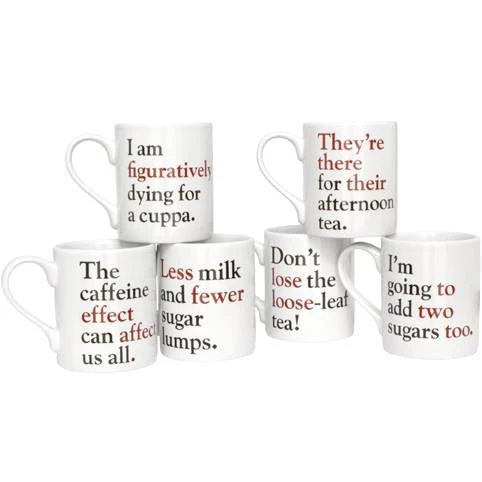 This should come with a bloody red editing pen, if you ask me…
Leave a Comment » | publishing, writer gifts, writing | Tagged: publishing, writer gifts, writing | Permalink
Posted by lynnpricewrites
I’ve had a couple author friends who got hooked up with less-than-stellar publishers, and they would fork over a major organ to be free of them. It’s rare that contracts can be dissolved unless there’s proof the publisher has engaged in actions that violate the contract. So yes, sadly, you’re probably stuck. But there’s no worse feeling when the contract also has a First Right of Refusal clause. Now the authors feel tied to their publishers like a case of head lice.
So let me help you to feel better. In most cases, all this clause means is that your publisher gets to see your manuscript before anyone else, and has the right to offer you a contract, or reject it before you show it to anyone else. Hopefully, your contract will have some sort of deadline – like three months – that they have to accept or reject your manuscript. After all, you can’t allow them to sit on your manuscript forever.
The good news is that just because they offer a contract, it doesn’t mean you have to accept it. You can politely refuse the terms of the contract and clearly establish that you’ve fulfilled the terms of your contract with respect to First Rights of Refusal, and that you plan on querying your work elsewhere.
Check your contract’s wording of this clause to be sure of the stipulations. Then pull out a margarita and celebrate that you are not stuck.
Leave a Comment » | First Right of Refusal, Literary contract, publishing | Tagged: First Right of Refusal, literary contracts, publishing | Permalink
Posted by lynnpricewrites
 Tired of seeing your book pirated on free download sites? This drives me insane, and I spend a lot of time sending DMCA (Digital Millennium Copyright Act) take-down notices to the bastards. Some obey, others flick their nose in my direction and keep on illegally selling.
Authors and editors think they have no choice, but they do. Whenever I find a pirate site that’s illegally offering up our books, I reach for Twitter and blast out their web address and claim they attach viruses to their free download files. Think how this would impact the pirates. Hit ‘em where it hurts, dear authors, and meet fire with fire.
1 Comment | e-books, illegal free downloads of ebooks | Tagged: ebooks, illegal free downloads of ebooks | Permalink
Posted by lynnpricewrites

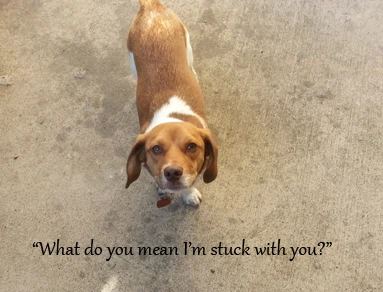
Yes, Gertrude, beagles smile
Nabbed from a query letter:
“I self published a book last year on Amazon to great acclaim, but I realized it’s best to leave publishing to the professionals.”
This isn’t a positive statement, and doesn’t make me excited about asking for pages. Rather, this infers that for whatever reason, the author self-pubbed and didn’t do well promoting it – checking Amazon bore this out. So I have to ask myself whether the author would be equally unsuccessful in promoting a book with us. I understand the uphill battle of the self-pubbed author and that promotion is much more difficult, but I’ve seen plenty self-pubbed authors kick ass and take names. They’re an asset.
Whether it’s a fair assessment or not, I see the author as a liability. It sucks to have to make snap judgements, but publishers have no choice but to weigh the pluses and minuses of an author’s platform because it’s a vital element to publishing nonfiction.
The take away here is that if you don’t have anything positive to say, then don’t mention it. Instead, focus on your book, what it’s about, why it rocks, and why readers will clamor to buy it. It’s a better idea to play up your platform than divulge how poorly your self-pubbed book did. Keep it positive because that’s far more infectious.
And when you’re talking about your book, don’t forget to include the most important elements of your story:
Now go forth and be brilliant!
Leave a Comment » | publishing, query | Tagged: publishing, query | Permalink
Posted by lynnpricewrites
Seems as though Amazon and Apple iBooks have a love-fest with Behler books. We have a number of titles that are on special sale for Christmas, so if you’re wondering what to give that special someone in your life – consider one of our wonderful, inspirational, kick-booty-take-no-prisoners-wow-I-feel-fabulous books. I give you the following:
| These two Amazon specials will be on sale from 12/8 to 12/22 for $1.99 |
LEARNING TO PLAY WITH A LION’S TESTICLES by Melissa Haynes – $1.99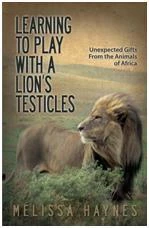 Amazon has this little lovely by Melissa Haynes (yes, I still screech with laughter and grab my Kleenex box every time I read it) for the special holiday price of $1.99. That’s a savings of $13.96, kiddies! Amazon has this little lovely by Melissa Haynes (yes, I still screech with laughter and grab my Kleenex box every time I read it) for the special holiday price of $1.99. That’s a savings of $13.96, kiddies!Melissa’s fabo book kicked Jimmy Fallon on his kiester, so who can resist that? If you want to read the #1 title in Volunteer Work, and #2 in Africa/South Africa, then get thee to Amazon. You won’t regret it. Melissa volunteers at a game preserve in South Africa, believing she’s there to help save the animals. What she didn’t realize is how they live, love, and die saved her.
|
HEART WARRIORS by Amanda Adams – $1.99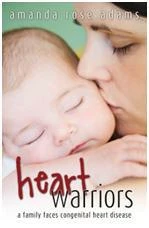 Sigh. Such an amazing book. HEART WARRIORS is becoming the go-to book for anyone who has a child with Congenital Heart Disease, or knows someone suffering with this. Amanda’s story is an unflinching look at how she and her husband fight to keep her beautiful boy, Liam, alive – against all odds. She talks about crap doctors, unfeeling medical professionals, and doctors who should be sainted. Sigh. Such an amazing book. HEART WARRIORS is becoming the go-to book for anyone who has a child with Congenital Heart Disease, or knows someone suffering with this. Amanda’s story is an unflinching look at how she and her husband fight to keep her beautiful boy, Liam, alive – against all odds. She talks about crap doctors, unfeeling medical professionals, and doctors who should be sainted.She talks about how this affects the entire family, and her gratitude to the wonderful people at Ronald McDonald House. She talks about caring strangers, and achingly stupid people who are in dire need of a brain. In a word, she goes where no other Heart Book does. Amanda is a Heart Warrior, and her Field Guide at the back of the book covers questions about what supplies to take to the hospital, to an expansive glossary of terms, to raising a Heart Warrior. Pick up your copy of the leading seller of medical memoirs today! |
| Apple iBooks came to us looking for excellent inspirational reads. And here they are! They’ll be on sale from 12/10 – 12/31 – for $3.99 |
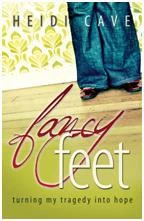
VOICE: A STUTTERER’S ODYSSEY by Scott Damian – $3.99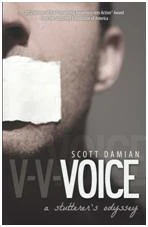 Scott’s future looked pretty bleak. His severe stutter left him struggling to say the simplest words, yet they stuck in his throat. Kids picked on him at school, he got into a few fights defending himself. And despite the odds, his indomitable spirit drew him to the stage, where, thirty-six years later, Scott is a successful actor and playwright in Los Angeles. Scott’s future looked pretty bleak. His severe stutter left him struggling to say the simplest words, yet they stuck in his throat. Kids picked on him at school, he got into a few fights defending himself. And despite the odds, his indomitable spirit drew him to the stage, where, thirty-six years later, Scott is a successful actor and playwright in Los Angeles.We all have issues that hold us back because they’re “stuck in our own throats,” and Scott’s story is a great reminder that we are in control of our fabulosity. FANCY FEET by Heidi Cave – $3.99
Heidi’s story about her horrific car crash at the hands of an unapologetic drag racer is is filled with amazing guts, sadness, loss, anger, love, humor, and forgiveness. Yep, this story includes all the food groups – and it’s why we can’t keep her book in stock. It’s often said that the Great Cosmic Muffin never gives us more than we can handle, and I would think losing your legs, being burned over 51% of your body, and losing your best friend would qualify for a mulligan. But Heidi’s heart is made of stronger stuff, and she is a terrific lesson in grace under fire and refreshing humility. A perfect Christmas read.
|
THE FOUR GIFTS: HOW ONE PRIEST RECEIVED A SECOND, THIRD, AND FOURTH CHANCE AT LIFE by Father Joseph Bradley – $3.99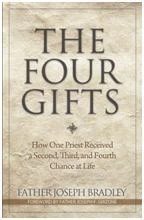 Father Joe embodies the reality that our lives aren’t written in granite. We can screw up, make huge…HUGE…mistakes, and still find grace and peace. As Joe says, “By all rights, insight, knowledge, and plain old common sense I should be dead. If past usage of beer, marijuana, and cocaine didn’t do the trick, then certainly dilated cardiomyopathy should have.” But Father Joe got help, love, and support from of a lot of good people, and rewrote the path of his life to embrace the joy and grace life and God. Needless to say, Joe isn’t your “typical” priest…and maybe that’s a really good thing.
|
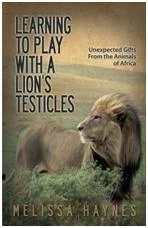 Seems Apple iBooks loves this book as much as Amazon. Seems Apple iBooks loves this book as much as Amazon.Melissa’s fabo book kicked Jimmy Fallon on his kiester, so who can resist that? If you want to read the #1 title in Volunteer Work, and #2 in Africa/South Africa, then get thee to Amazon. You won’t regret it. Melissa volunteers at a game preserve in South Africa, believing she’s there to help save the animals. What she didn’t realize is how they live, love, and die saved her.
|
Leave a Comment » | Amanda Adams, Fancy Feet, Father Joe Bradley, Heart Warriors, Heidi Cave, Jimmy Fallon, Learning to Play With a Lion's Testicles, Scott Damian, The Four Gifts, VOICE: A Stutterer's Odyssey | Tagged: Amanda Adams, AND FOURTH CHANCE AT LIFE, Father Joe Bradley, HEART WARRIORS, Heidi Cave, Jimmy Fallon, Learning to Play With a Lion's Testicles, Melissa Haynes, Scott Damian, THE FOUR GIFTS: HOW ONE PRIEST RECEIVED A SECOND, THIRD, VOICE: A Sutterer's Odyssey | Permalink
Posted by lynnpricewrites
You are currently browsing the Behler Blog blog archives for December, 2013.
 Behler Blog
 If you want the inside scoop on what floats our boats, The Writer's Essential Tackle Box is a must have.
"Hot Read" in OC Metro Magazine
Also available in Kindle
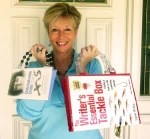
Look, Ma, I haz purses - click for larger view
Want to publicize your awesome new book? Do it with one of the beagle's cover art purses.
Click here for details.
Lynn Price: I am the editorial director for Behler Publications. This blog is about sharing information, advice, observations of various things that cross my desk, and getting a little silly sometimes.
Interview with Lynn Price
Quoting me?
Feel free to quote from my blog so long as you email me for permission, properly attribute me and post my link.
Email
I'm better off with email (lynn-at-behlerpublications.com) since my secretary, an unreliable beagle, normally ignores the phone - pleading the opposable thumbs issue. She's really only good at three things; mixing margaritas, copy editing, and sleeping on the job.


Click on cover for link
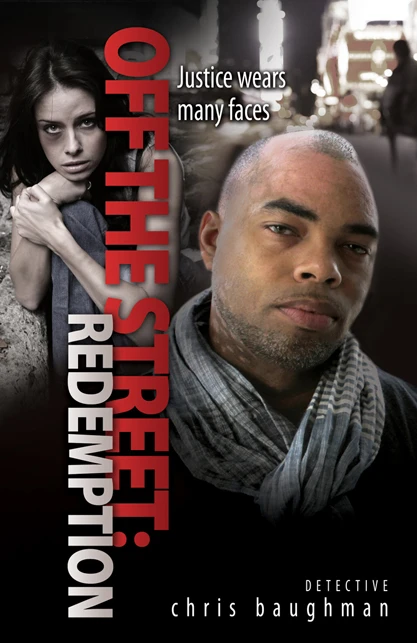 Chris Baughman fears his case against Mario Davis, a sadistic pimp and former high school friend, is slipping away when two brutalized victims are afraid to testify. Through countless hours, Chris fears a verdict that will offer no justice for the two young women. The tough lesson facing Chris is that justice sometimes offers a different kind of justice.
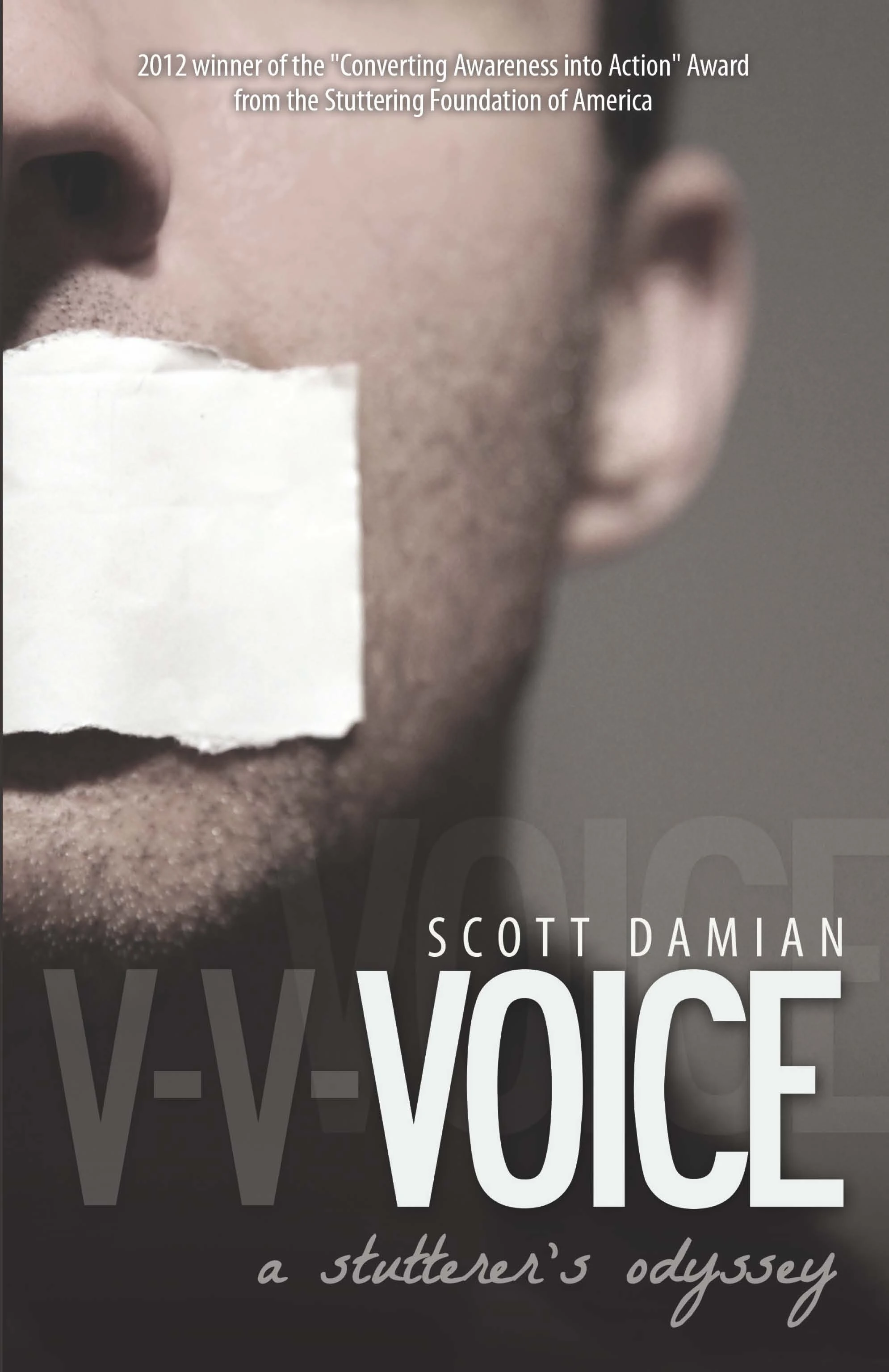
All his life, Scott Damian was imprisoned by the terror of being unable to utter a single word, until he transformed into a highly successful actor and writer. Scott speaks to the heart and soul of a stutterer, and addresses healing, help, and hope for the millions who are similarly afflicted.
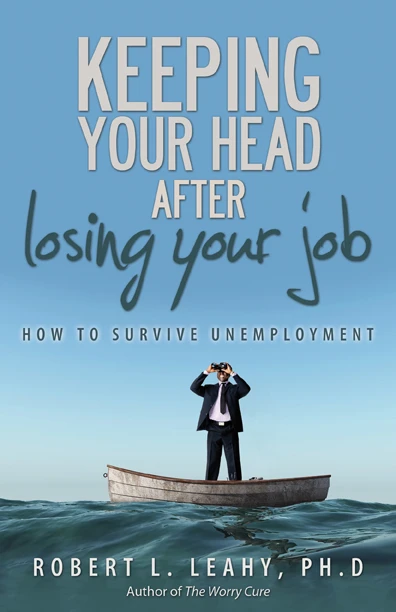
Dr. Leahy’s successful techniques help you boost your self-esteem and confidence, decrease anxiety and feelings of helplessness, and develop resilience and strength during your unemployment, and live your life more effectively once you get a job.
Melissa visits Africa for animal conservation, but a cast of unlikely characters teaches her about grief, fear, and life
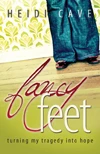
Heidi’s horrific accident burned over 53% of her body, claimed both her legs, and killed her best friend. Her year of countless surgeries, surviving, pain management, fighting, and loss is incomplete until she finally faces the driver, and Heidi realizes she has one last hurdle; forgiveness.
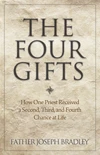
By all rights, Father Joe Bradley should be dead. If past usage of beer, marijuana, and cocaine didn't do the trick, then certainly dilated cardiomyopathy should have.
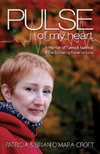
Moving memoir about unconditional love and blunt honesty that defines a new normal for Heart Couple, Brian & Patty O'Mara-Croft.
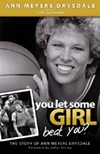
Stirring memoir byf Ann Meyers Drysdale's and her winning attitude of achievement and happiness
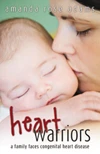
Amanda Adams' passionate and riveting story of what it means to be a Heart Mom for her son, Liam, whose 12 surgeries marked the first 8 years of his life.